Serkan Birgel
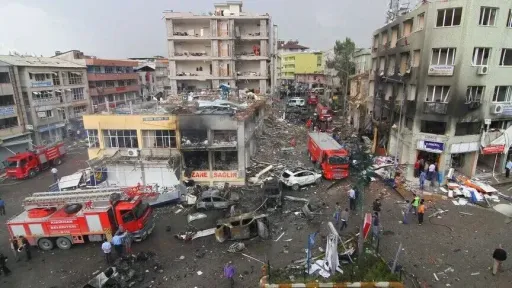
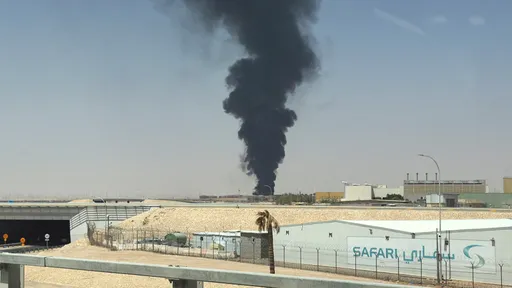
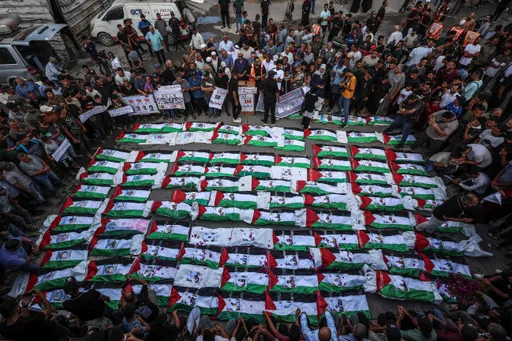
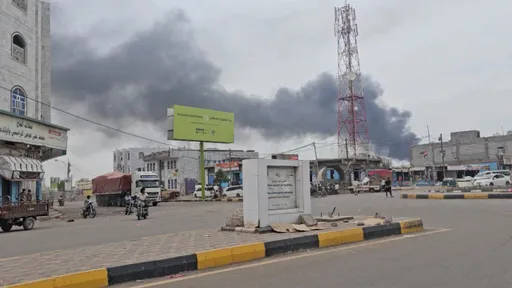
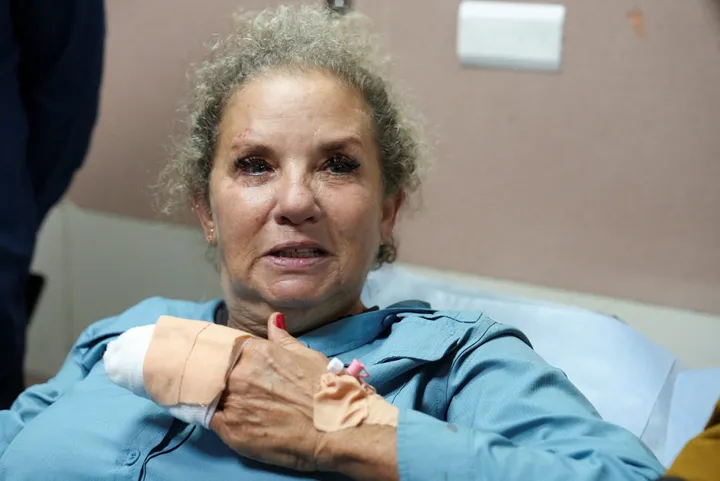
In a horrific attack conducted yesterday in opposition-held Afrin, in Northern Syria, 53 people were murdered. The death toll may rise from the dozens more injured. The US Ambassador to Turkey, David M. Satterfield, called a spade a spade and condemned the act of terrorism, as did the US Secretary of State Mike Pompeo.
A mixture of brazen glee and callous apologetics was seen amongst pro-YPG/PKK social media users, including by a journalist supposedly at Rudaw, all of whom were utterly unmoved by the horrific loss of innocent life, and lost in the trance of ethno-national fervour. The maelstrom of unabashed ‘whataboutism’ and misplaced pride found a momentary respite, only when some supporters of the YPG/PKK took a moment to register reports (now revised), that the ‘Efrin [Afrin] Liberation Forces (HRE)’ – a local PKK syndicate – took responsibility for the attack, after which the apologetics only increased.
Amongst the unarmed civilians who perished in the most gut-wrenching of ways (largely burnt to death) – a mother and a child found in one final protective embrace – were dismissed variously as: gang members, mercenaries, and invaders now ‘roasted’ and sent to hell, deserved of death for ostensibly ‘eyed-up’ a mythical Kurdish-exclusive or YPG/PKK-dominated homeland.
‘Homeland’ here refers to the opportunistic ethno-national desires that have added a further layer of complexity to the war in Syria. The ‘occupation’ referred to here is not an occupation of Syria or the Syrian Arab Republic, but to an entity that was only recently conceived of by the YPG/PKK.
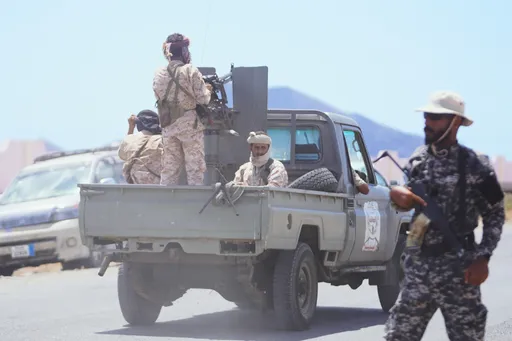
The HRE would certainly fit the bill; an organisation with the means, motive, and opportunity to do so, and obviously ideologically aligned to the YPG/PKK, as with any other organisations of the same ideological bent. It is unclear how that attribution was made and how it no longer stands. The group had ostensibly targeted an installation of the Syrian National Army (SNA), with the explosion of a truck bomb laden with fuel on a crowded main street by a busy marketplace that left at least 11 children dead in the month of Ramadan. Apparently, former rebels unaffiliated with Turkish-backed opposition factions also perished, justifying for some the heinous attack. A displaced man from Qalamoun near the Syria-Lebanon border also died, alongside his two sons.
In what seems to be an astonishing feat of intellectual disingenuity that borders on sophistry, with no group having now openly declared that they had just committed a war crime, some international observers who have meticulously reported on the ins and outs of the war in Syria now seem to refuse to connect some very obvious dots that lie starkly in front of them. All of a sudden, cautious and in some cases cynical scepticism now reigns. It would take a very long stretch of the imagination to assert that the perpetrators were not in some way at least affiliated with, or ideologically aligned to the YPG/PKK, who have carried out numerous such remotely detonated vehicle bomb attacks in opposition-held areas over the years.

PKK and its romanticised propaganda
Ignorant of the demographic change the group itself has driven, and intolerant of all those who disagree with the group's ethno-national ideology, in 2018 a YPG spokesperson asserted that in order to combat demographic change it would target (meaning surely, murder), what it termed as the ‘new settlers’ in Afrin. The YPG itself has collaborated with and gained from the Assad regime, which in turn has driven a war that has forced over half the country’s population to become either refugees or internally displaced on multiple occasions, seeking refuge in places such as Afrin itself. The YPG/PKK has acted in self-interest to wrestle its own territory from the chaos of the civil war.
Recently, so-called SDF spokesperson Ibrahim Ibrahim also asserted that no less than two million people in Idlib “deserve to be killed” because “[...] they are terrorists”. The spokesperson asserted that the aid provided to the people of Idlib from the World Health Organisation amounted to the support of terrorism, that of the approximately four million people squeezed into the region so as to escape the Syrian regime, “at least 75 percent or 50 percent are terrorists”. This is but a mere speck of the circumstantial evidence common sense would at the very least suggest an organisation at least affiliated with the YPG/PKK.
Sympathetic perhaps to the YPG/PKK, having given into the romanticised propaganda of the group alongside the total demonisation of its enemies, sighs of relief must have been registered all round as historical context is conveniently forgotten, and a new-found penchant for plausible deniability now bandied around with wry pride. It is especially illuminating to see how some expert commentators who had beforehand readily engaged in speculation, punditry, and sensationalism, now revert to a dry, detached, and emotionless reportage of the event, with a need for formal attribution and a demand for a heightened weight of evidence that they know from experience, is unrealistic to expect.
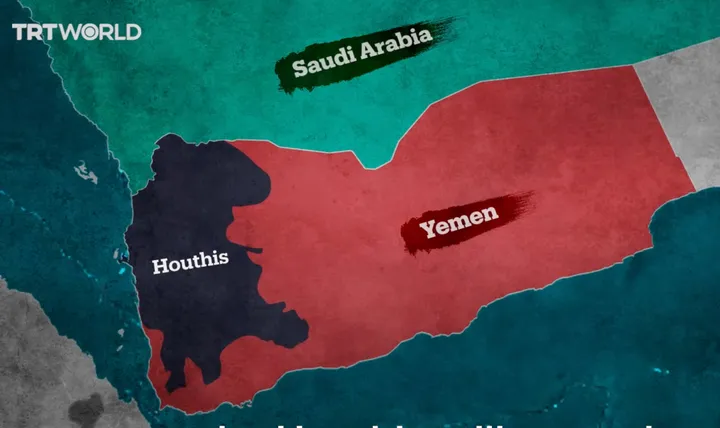
The YPG/PKK, accommodated by the Assad-regime, has over the years usurped territory along the north of the country, ruling by force over areas including that which where Syrian-Kurds never formed a demographic majority. Irredentist separatism found conception under the new term of ‘Rojava’, which denotes the Syrian-portion of territory to be wrestled thereon also from Turkey, Iraq, and Iran. That Turkey would act against the YPG/PKK was surely of no surprise whatsoever, perhaps another obvious fact that some observers were blinded to. Turkey has conducted a number of interventions to stymie the growth of the YPG/PKK, and to break its hold across territories spanning the Turkish border.
On the notion of homeland, Turkey’s opposition to the YPG/PKK is by no means an affront to the utmost important and absolutely necessary requirement of Syrian Kurds to live in peace, prosperity, and security. Critique must be carefully, constructively, but also unreservedly levied at the very misplaced and counter-productive path that the YPG/PKK has taken. After the decades of misery that the PKK has brought about in Turkey with not an iota of progress towards its political desires to speak of, the more that Syrian Kurdish political movements distance themselves from the YPG/PKK, the better. Romanticising the YPG/PKK certainly does not help. “Blessed are the peacemakers, for they shall be called sons of God”.