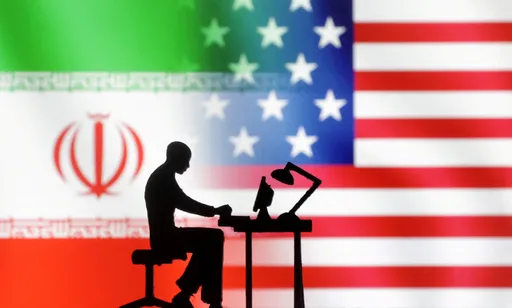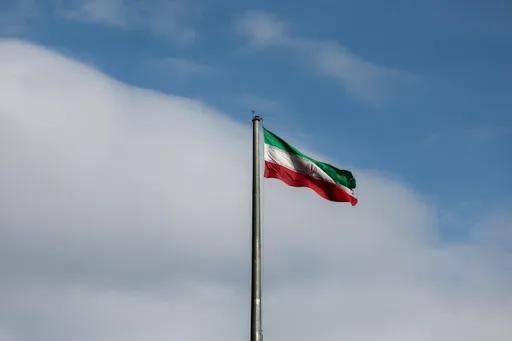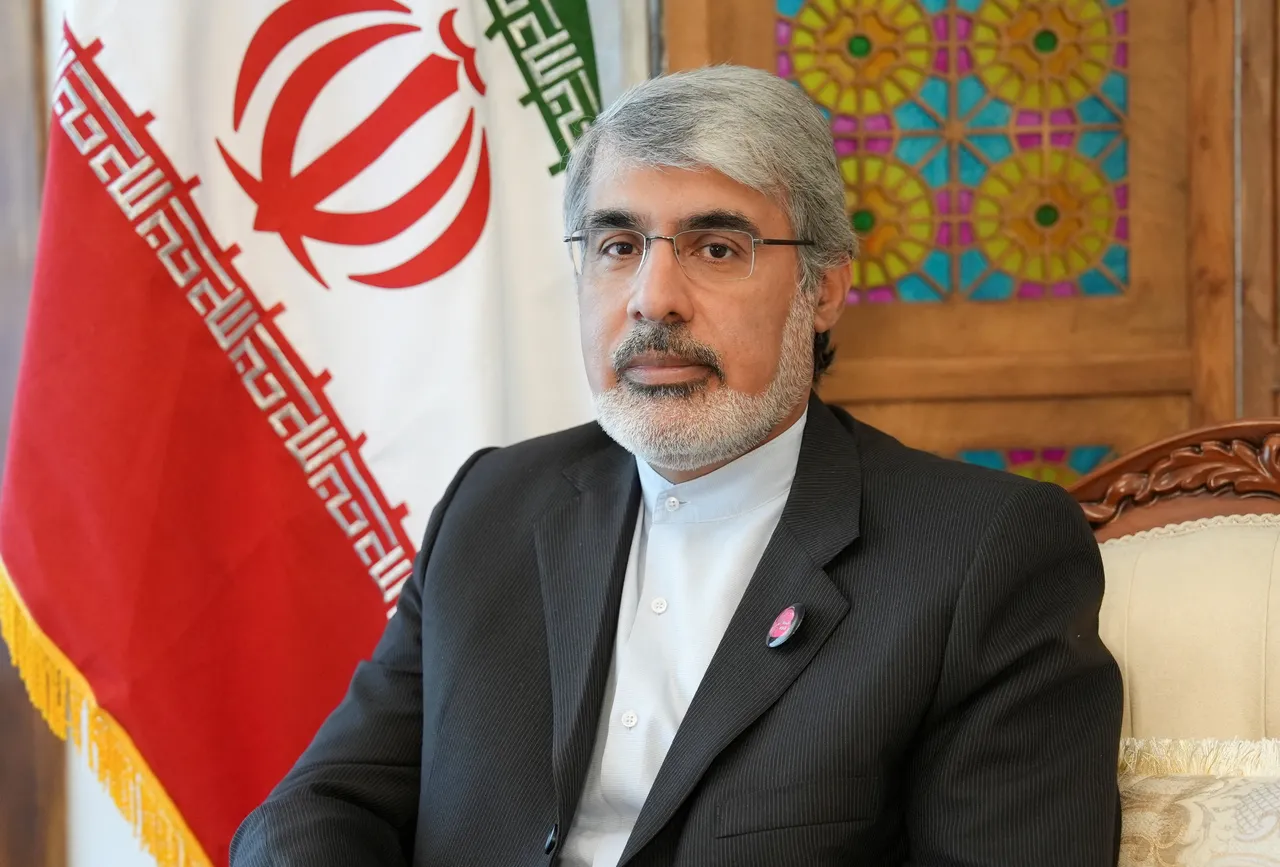
Iran will approach peace talks with the US with far more caution than in previous negotiations due to a big gap in trust, and the war will affect the future legal regime of the Strait of Hormuz, the Iranian ambassador to the UN in Geneva has said.
"We are not putting any trust in the other side. Our military forces are keeping their preparedness...but meanwhile, we will go for negotiations to see how serious the other side is," the ambassador, Ali Bahreini, told Reuters on Wednesday.
The United States and Iran have agreed to a two-week ceasefire brokered by Pakistan, suspending a six-week-old war that has killed thousands, spread across the Middle East and caused unprecedented disruption to the world's energy supplies.
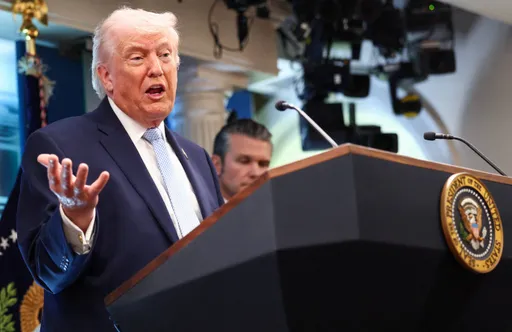
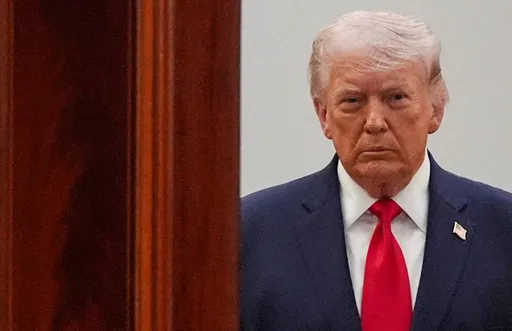
US President Donald Trump announced the agreement late on Tuesday, two hours before a deadline he had set for Iran to open the blockaded Strait of Hormuz or face the destruction of its "whole civilisation".
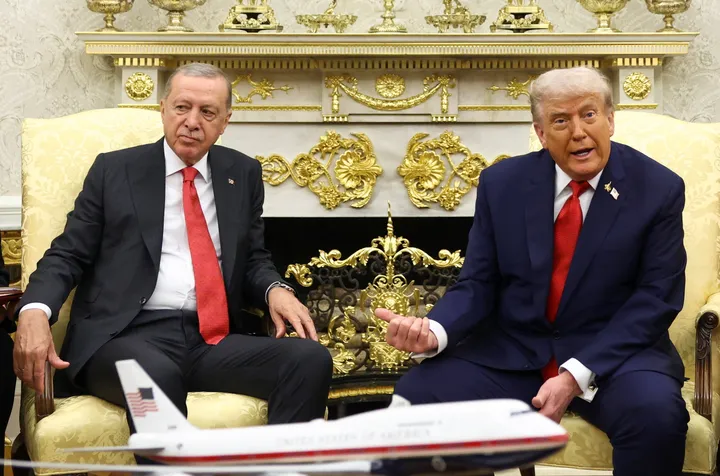
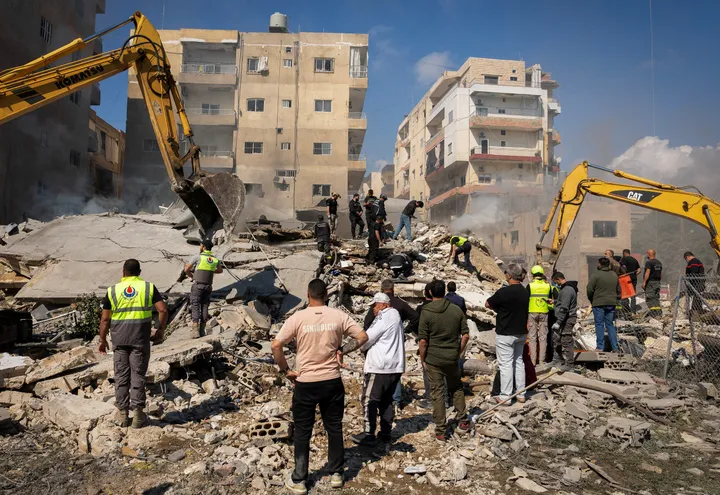
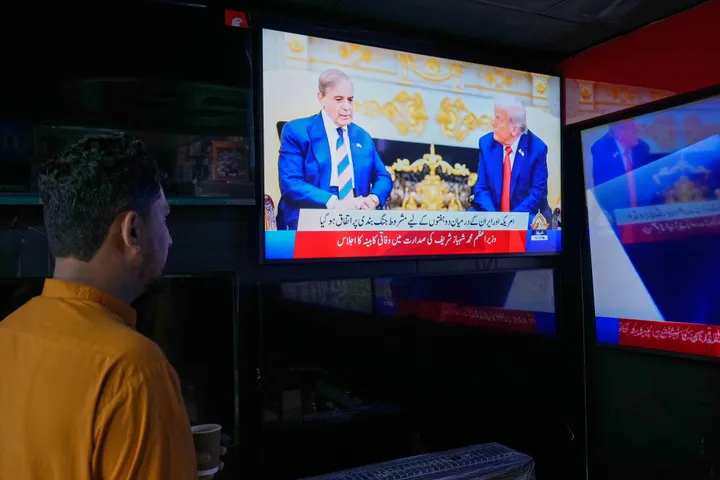
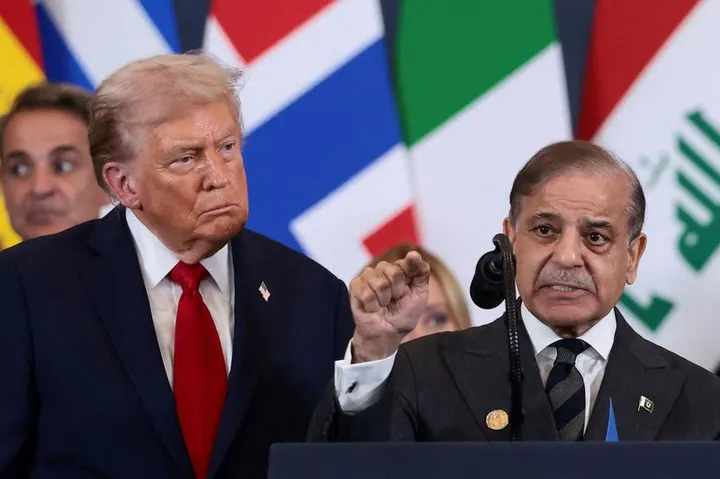

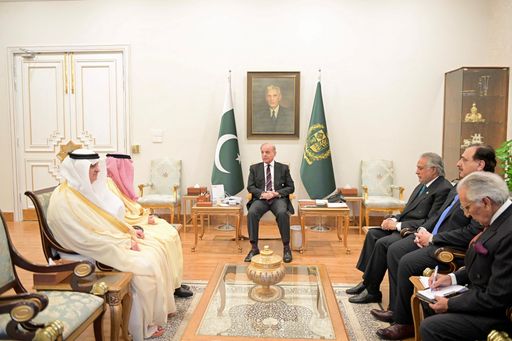
Pakistani Prime Minister Shehbaz Sharif said he had invited Iranian and US delegations to meet in Islamabad on Friday for what would be the first official peace talks since the war began, and that Iran's president had confirmed it would attend.
Previous nuclear talks in Geneva in late February ended with some progress but no breakthrough, and were set to resume the following week in Vienna, before the US and Israel launched joint strikes on Iran two days later.
"Because of that reason, everything is now temporary. Even the arrangements for the Strait of Hormuz is temporary," Bahreini said.