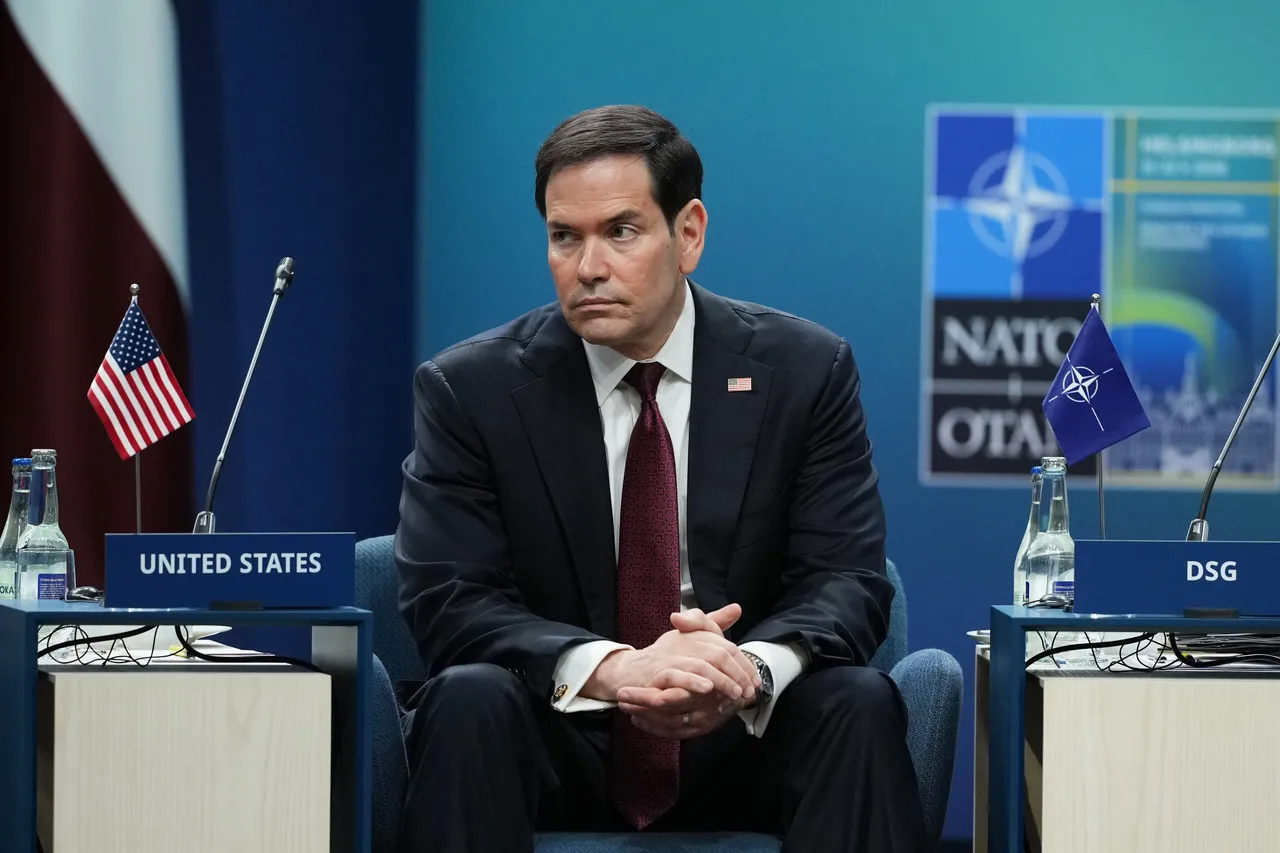
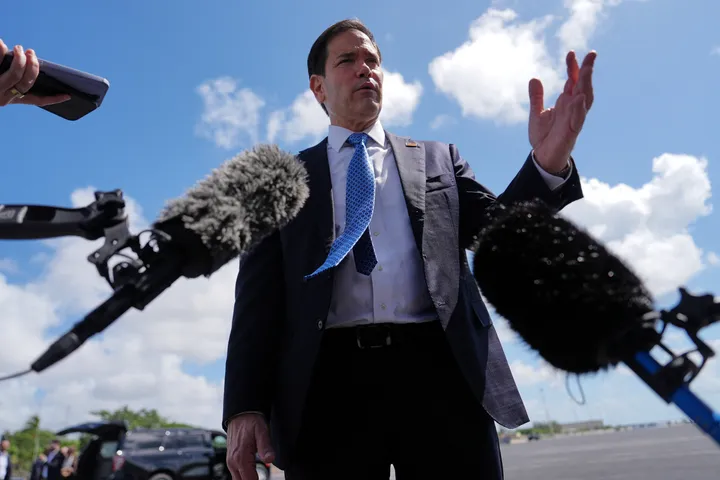
US Secretary of State Marco Rubio said on Friday there had been “some slight progress” in talks with Iran.
“There's been some slight progress, I don't want to exaggerate it, but there's been a little bit of movement, and that's good,” Rubio told reporters ahead of a NATO foreign ministers meeting alongside NATO Secretary General Mark Rutte.
Rubio said the “fundamentals remain the same,” adding: “Iran can never have nuclear weapons, it just cannot make them.”
He said Washington was awaiting the outcome of ongoing discussions related to Iran while underlining that issues surrounding uranium enrichment and Tehran’s stockpile of highly enriched uranium would have to be addressed.
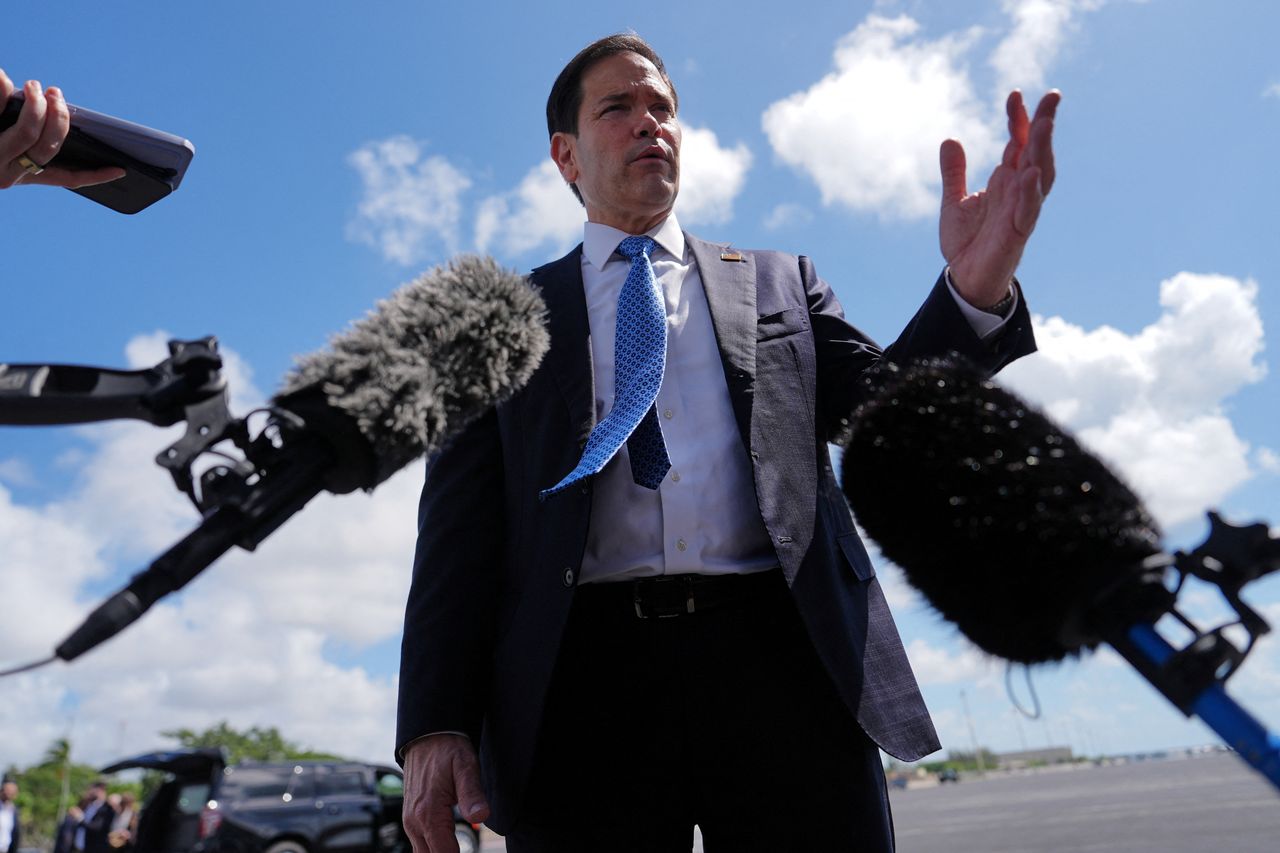
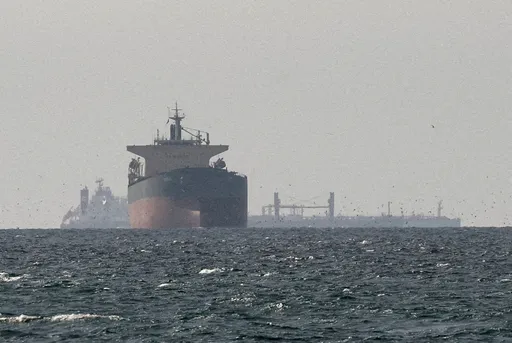
Rubio also accused Iran of attempting to establish a “tolling system” in the Strait of Hormuz, saying Tehran was trying to persuade Oman to join the initiative.
“There is not a country in the world that should accept that,” he said, calling the idea “not acceptable.”
“If that were to happen in the Straits of Hormuz, it will happen in five other places around the world,” Rubio added.

The top US diplomat said Washington was working through the UN on a Bahrain-sponsored resolution related to the issue, claiming it had garnered broad international backing.
“Let's see if the United Nations still works,” Rubio said, while criticising unnamed Security Council members allegedly considering vetoing the resolution.

For his part, NATO Secretary General Rutte said the NATO meeting would focus on defence spending, Ukraine, and freedom of navigation amid growing concerns over Iran and the Strait of Hormuz.
“I hear from many of my colleagues here that it is not acceptable that the freedom of navigation is basically trampled upon as it is at the moment,” Rutte said.
He also thanked the US for continuing military support to Ukraine, particularly the supply of interceptor systems funded by European and Canadian allies.
Rubio also said the upcoming NATO leaders summit in Ankara would be “one of the more important leaders' summits in the history of NATO,” citing defence industrial production, burden sharing, and global security challenges among the alliance’s priorities.