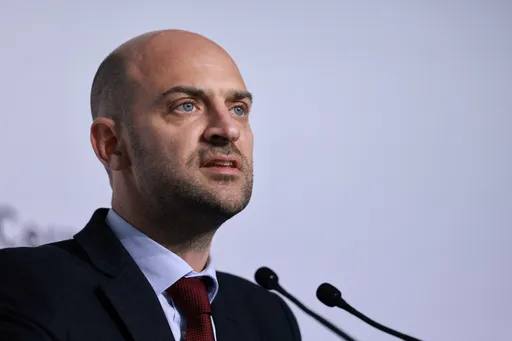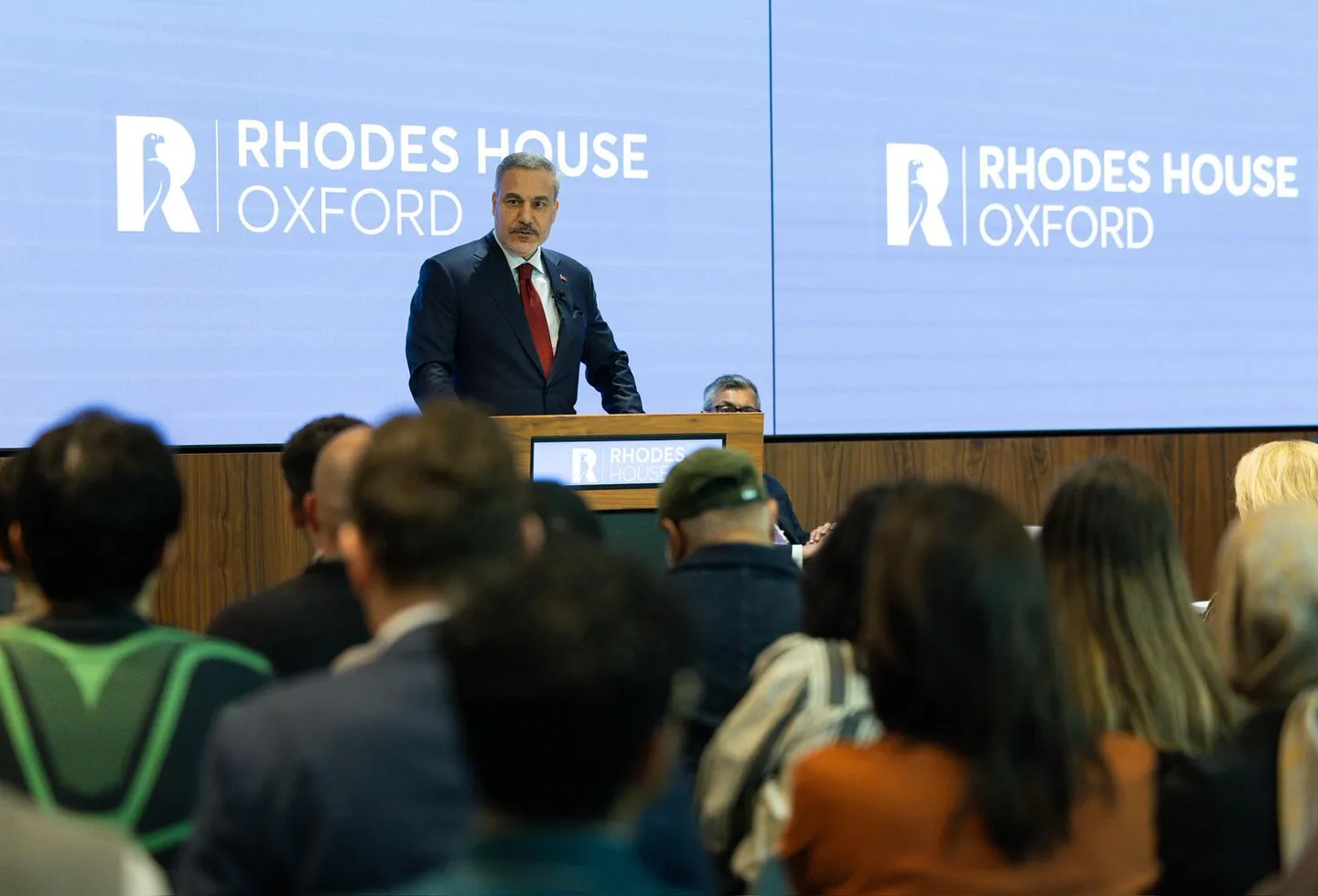
Turkish Foreign Minister Hakan Fidan has said that Israel has become a “direct threat to global security,” warning that escalating regional conflicts now carry worldwide consequences and require a united international response.
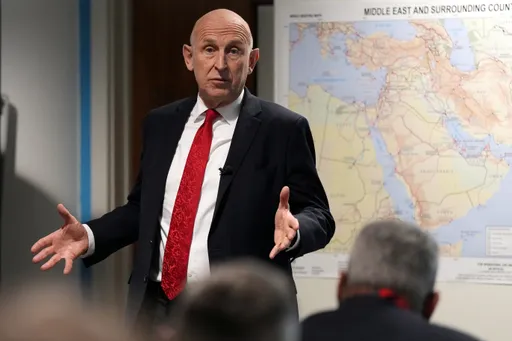
Speaking at Oxford University on the theme of global reordering on Friday, Fidan said the world is not simply going through a geopolitical transition, but a much deeper structural transformation.
“What we are witnessing today is not a transition, but it’s rather a transformation,” he said.
He argued that states can no longer afford to depend on others for strategic survival.
“Countries can no longer outsource their security, their diplomacy or their strategic imagination,” he said.
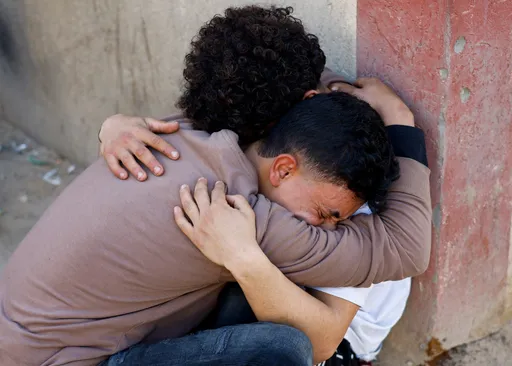
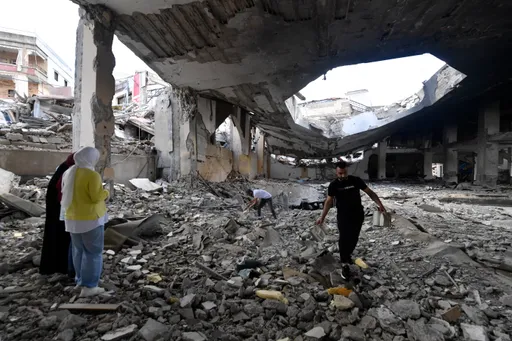
Fidan pointed to the war involving Iran, triggered by US and Israeli strikes, as an example of how regional crises are now directly shaking global stability.
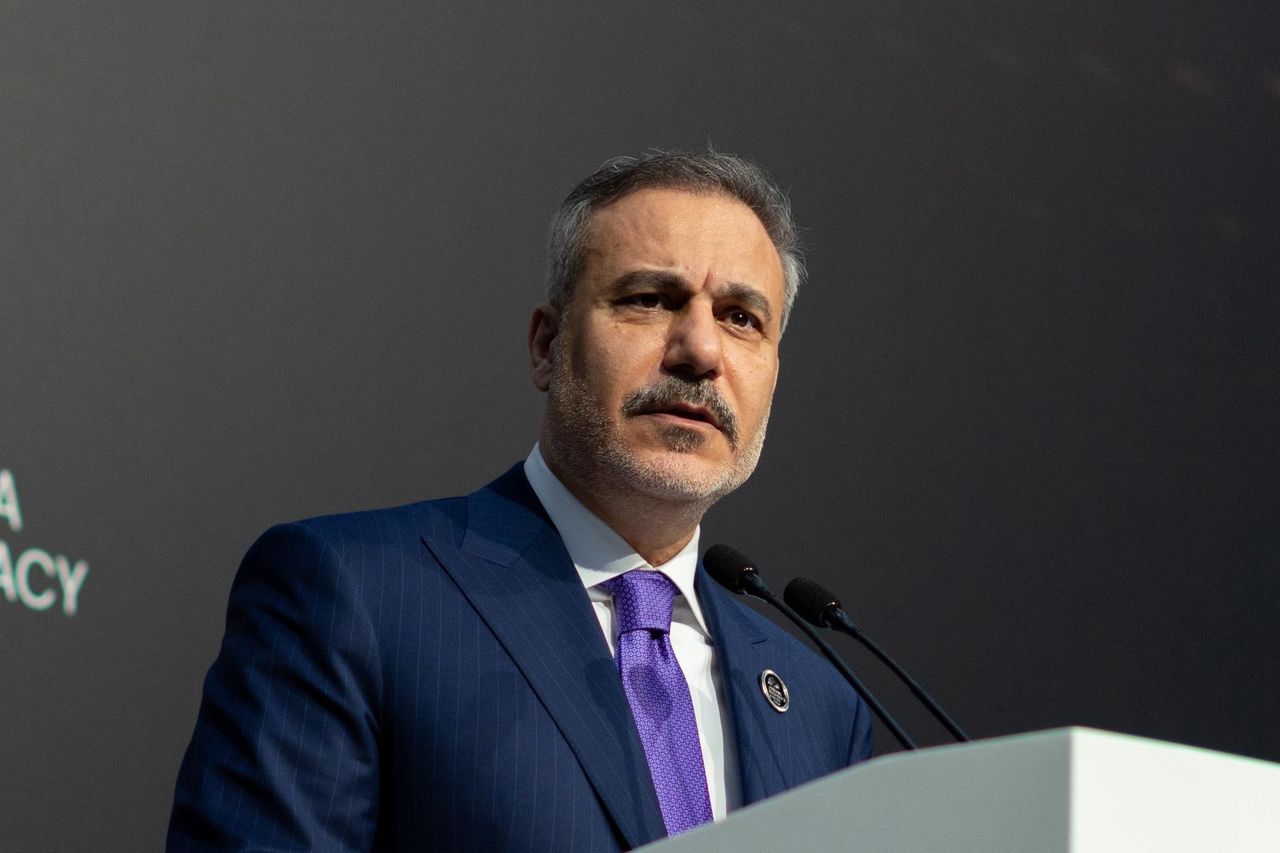
‘Regional crisis is now global’
“The distinction between regional and global crises has truly disappeared,” Fidan said, stressing that instability in the Middle East now affects global prosperity, security and supply chains.
He said the war had dealt “a heavy blow to global prosperity, security and stability.”
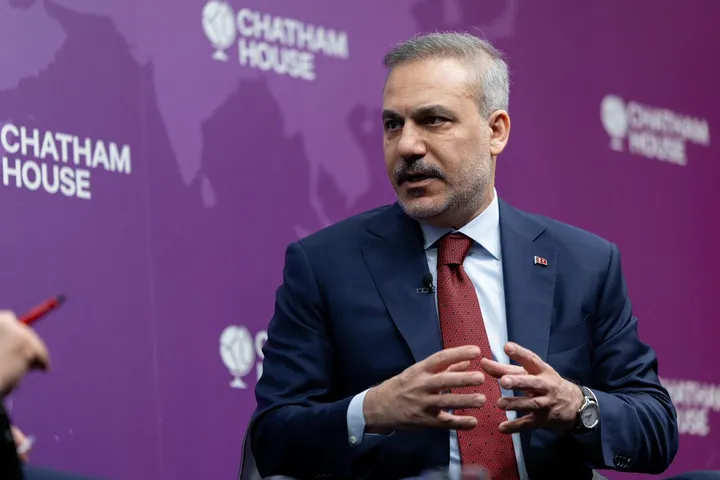

“Israel’s systemic threat to destabilise the region has exceeded local borders and now constitutes a direct threat to global security,” he added.
Fidan said such actions demand a “collective response from the international community as a whole,” arguing that no single country can manage the fallout alone.
Türkiye pushes regional solutions
Fidan said this new era has increased the strategic importance of middle powers—countries with diplomatic reach, geographic influence and the political will to act.
He pointed to Türkiye’s role as a NATO member, EU candidate and regional mediator as proof of Ankara’s growing importance in crisis diplomacy.
He cited efforts such as the Black Sea grain initiative and diplomatic engagement in the Horn of Africa as examples of Türkiye’s contribution to international stability.
The foreign minister also called for reform of global institutions and a new Middle East order based on cooperation rather than domination.
He said the region needs “regional solutions to regional problems by regional countries,” warning that old security models are no longer sustainable.
Fidan’s remarks reflected Türkiye’s broader diplomatic vision, positioning Ankara as a regional stabiliser and a key diplomatic actor in an increasingly fragmented global order.