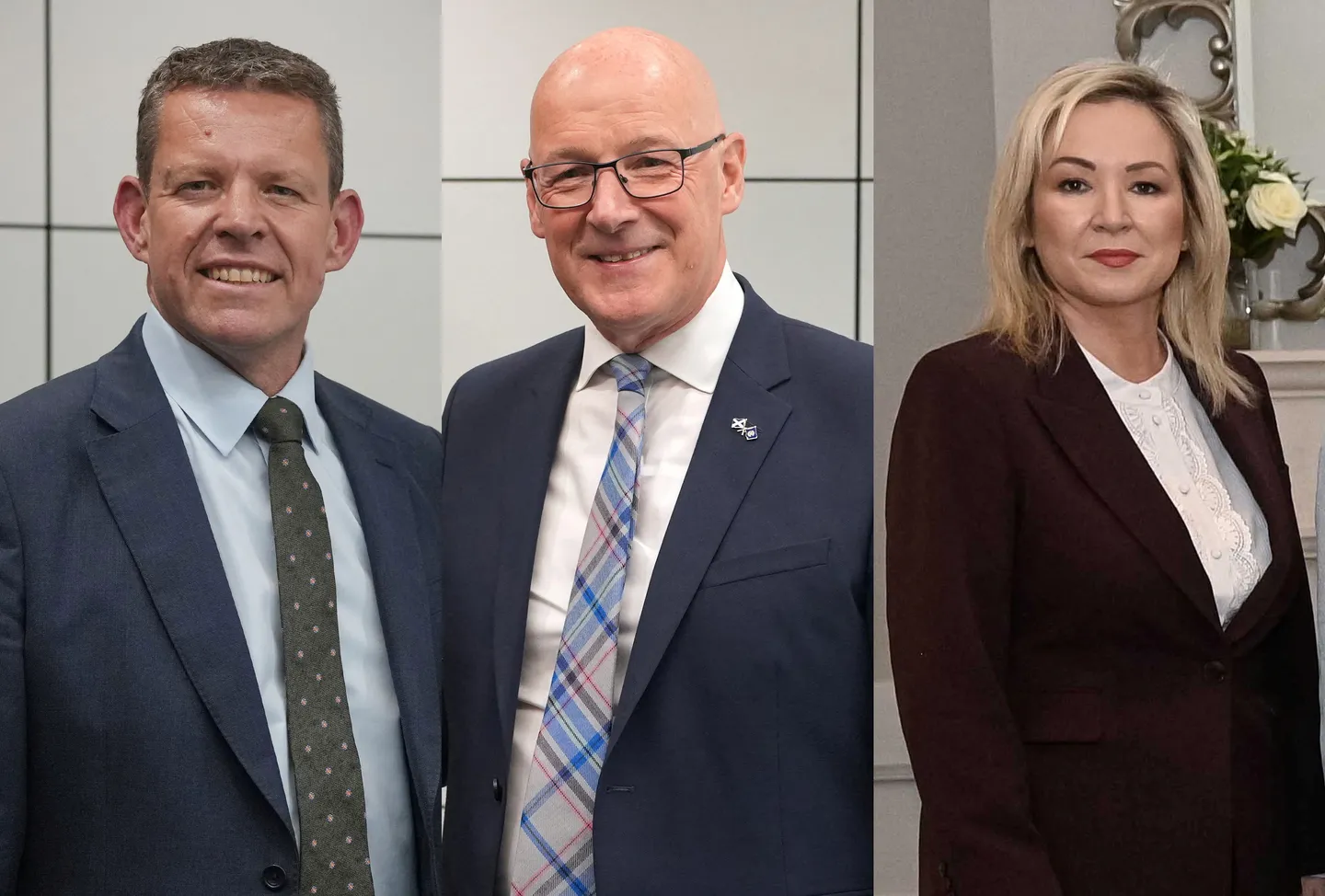
The first ministers of Scotland, Wales and Northern Ireland signed a joint declaration on Monday asserting their nations’ right to self-determination and urging the UK government to prepare for constitutional change.
The declaration was signed in Cardiff by Welsh First Minister and Plaid Cymru leader Rhun ap Iorwerth, Scottish First Minister and Scottish National Party leader John Swinney, and Northern Ireland First Minister and Sinn Fein vice-president Michelle O’Neill.
“The political landscape is changing,” they said, adding that the future of their nations belonged in the European Union.
“For the first time ever, there are first ministers in Scotland, in Wales and in the North of Ireland who are all committed to independence from the UK,” the declaration said.
“Our nations have the right to self-determination,” the leaders added. “We call for the British government to prepare for, plan and facilitate constitutional change in each jurisdiction.”
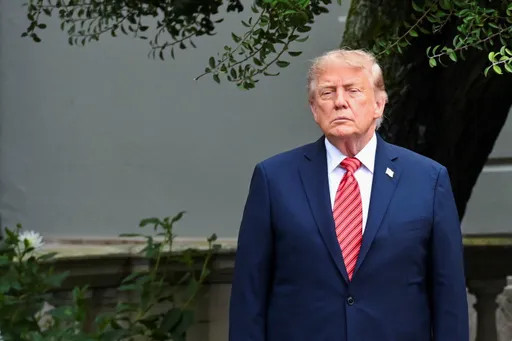
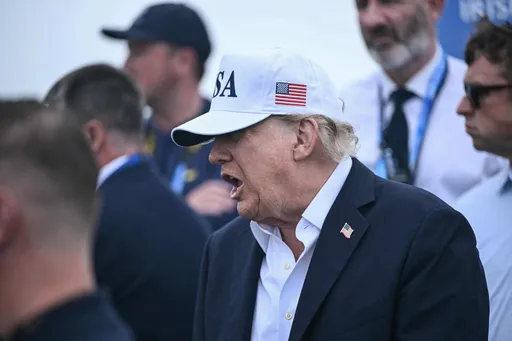
Northern Ireland’s first minister earlier said that US President Donald Trump’s remarks on Irish unification reflected the fact that the idea was now on the table.
“I think it reflects the fact that there is a growing conversation around constitutional change at home in Ireland,” Michelle O’Neill told Sky News.

Referring to Trump’s remarks over the weekend, she said this had also been reflected in the ensuing commentary.
On Sunday, the US president said integrating Ireland and Northern Ireland represented “one of the naturals of all time”, suggesting that historical partitions should be resolved.
The remarks followed comments he made on Saturday while in Ireland, when he said he would “love” to see a united Ireland.





Prime Minister Andy Burnham earlier ruled out calling a referendum on Irish unification, describing it as “off the table”.
O’Neill said that, following elections in Scotland and Wales, the three political parties had committed to working together.
“We’re going to sign a memorandum of understanding around how we can cooperate, how we can work together, how we can improve the lives of our people, respectively,” she said.
She said the cooperation was ultimately aimed at ensuring the parties had a strong “collective voice” in Westminster on constitutional change.
“It’s heard very strongly in Westminster in relation to constitutional change, and for our part in Ireland, it’s about the fulfilment of the Good Friday Agreement itself,” she added.
Asked whether she was also on the same page as the US on Israel’s genocidal war on Gaza, O’Neill said: “I don’t agree with American foreign policy on probably all issues bar the Irish peace process.”
“We have many friends in terms of the Irish peace process, but where we will always differ with Donald Trump and anybody else who supports the genocide in Palestine will always be very, very firm red lines for us,” she added.
The first minister said the next stage of their journey was “absolutely” focused on unification.
Saying Westminster “will never serve our people well”, she stressed that the message the parties wanted Burnham to take from Monday’s gathering was that it was “his job to plan and to facilitate a referendum”.