 Noureldein Ghanem
Washington, DC — The long-awaited 2026 World Cup opener is finally here.
On Thursday, over 80,000 fans are expected to converge in the Mexican capital's historic Azteca Stadium to witness mighty Mexico take on underdogs South Africa in a throwback to their opener in 2010 that was hosted by South Africa.
The match could reportedly attract over 1 billion viewers globally across television and streaming, though these figures remain unconfirmed by FIFA.
Excitement and celebrations aside, both teams will face pressure during the match as co-hosts Mexico, ranked 14th, seek to top their group, which also includes South Korea and the Czech Republic.
The Bafana Bafana, ranked 60th, on the other hand, will try to mark their return to football's grandest stage with a victory to increase their hopes of qualifying for the Round of 32.
With the advantage of playing on home soil and in front of their fans, El Tri enter the match as clear favourites.

Team strengths
Despite pundits tipping Mexico as favourites in the match, head coach Javier Aguirre is warning against underestimating the Bafana Bafana, describing them as a "unique hybrid" and stronger than most people realise.
Aguirre is no stranger to facing South Africa, having done so in the 2010 FIFA World Cup opener as manager of Mexico, and during the 2019 Africa Cup of Nations when he was the head coach of Egypt. Aguirre also managed Mexico in 2002 World Cup.
"South Africa are a tough team. It doesn't really have the African style, nor the European one," notes Aguirre, who is leading his third — and final — World Cup squad in 2026.
Aguirre usually applies a 4-3-3 formation with Mexico that can change into a 4-2-3-1 or 4-4-2 depending on the opponent. 4-3-3 is usually used to capitalise on wing play by wingers and full-backs from both flanks.
Mexico's tactical approach relies on high pressing, particularly against opponents they expect to dominate.
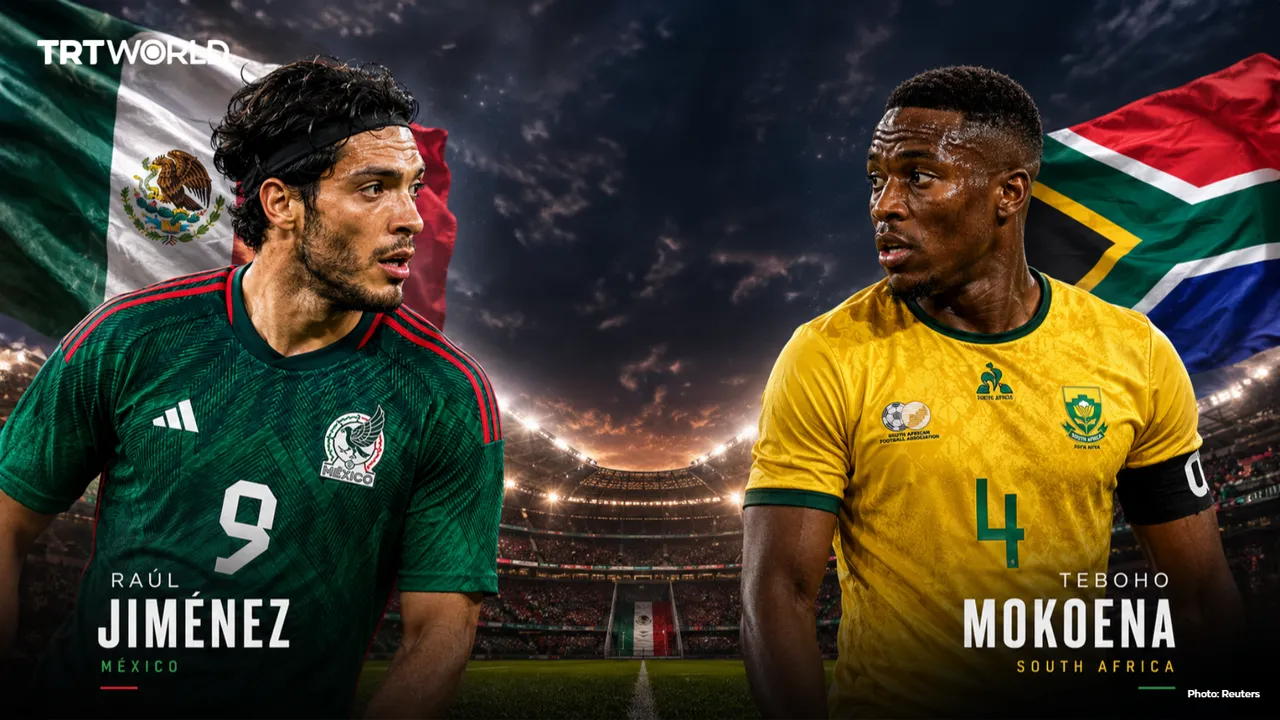
Their star player is striker Raul Jimenez, who represents more than just football for Mexicans. Having suffered a fractured skull in 2020, he managed to return to the national team for the 2022 World Cup in Qatar.
Defensive midfielder Erik Lira also remains a key asset for the Mexican team.
On the other hand, South Africa are aiming to prove that their progress under coach Hugo Broos is no fluke, but a defining era that has transformed the nation's football.


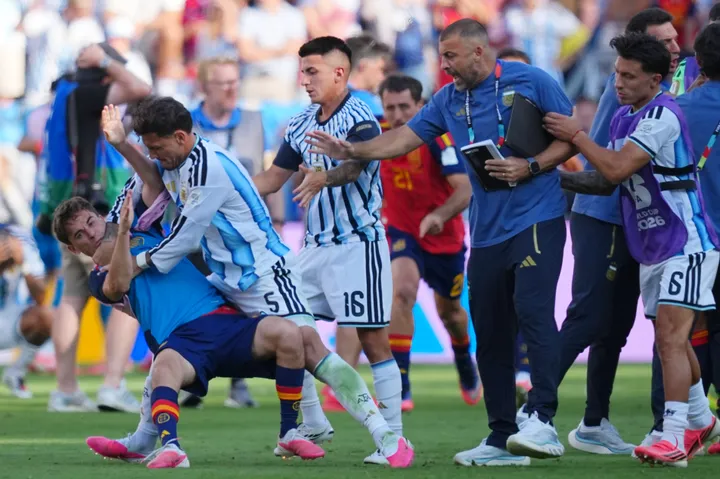




Stressed the scale of the task facing Mexico in the opening match., Broos says, "It's not an easy group for us. First of all, we will face the hosts in the opening game, at the Azteca stadium, and it will be very difficult for us there."
South Africa, like Mexico, adapt a 4-3-3 formation that can occasionally change to a 4-2-3-1.
Their style of play is defence-based, relying on rapid transitions.
South Africa will rely heavily on Mamelodi Sundowns' star midfielder, Teboho Mokoena.
A strong World Cup would fulfill Mokoena’s childhood dream and attract global scouts. The midfielder excels at linking play, scoring from distance, and building strong on-pitch partnerships.

Total recall
The 2026 World Cup opener evokes the 2010 tournament, when hosts South Africa drew 1-1 with Mexico in the opening match.
The coincidence has not been lost on fans, with the rematch serving as a symbolic bridge between two generations of World Cup football.
The 2026 encounter offers a different backdrop but a similar sense of occasion. This time, Mexico enter as the host, sharing duties with other hosts — US and Canada.
For Mexico, the match offers a prime opportunity to launch their home World Cup campaign with a statement victory.
For South Africa, it is a chance to recreate the spirit of 2010 and remind the football world of a proud World Cup heritage that still resonates across the continent.
Beyond the match implications, the fixture is rich in nostalgia.
World Cup openers are rarely remembered years later, but the Mexico–South Africa clash from 2010 remains etched in tournament folklore because of its atmosphere, symbolism and unforgettable moments.
The 2026 rematch revives that narrative, linking the sound of South Africa's vuvuzelas and the optimism of Africa's first World Cup to a new era in North America.