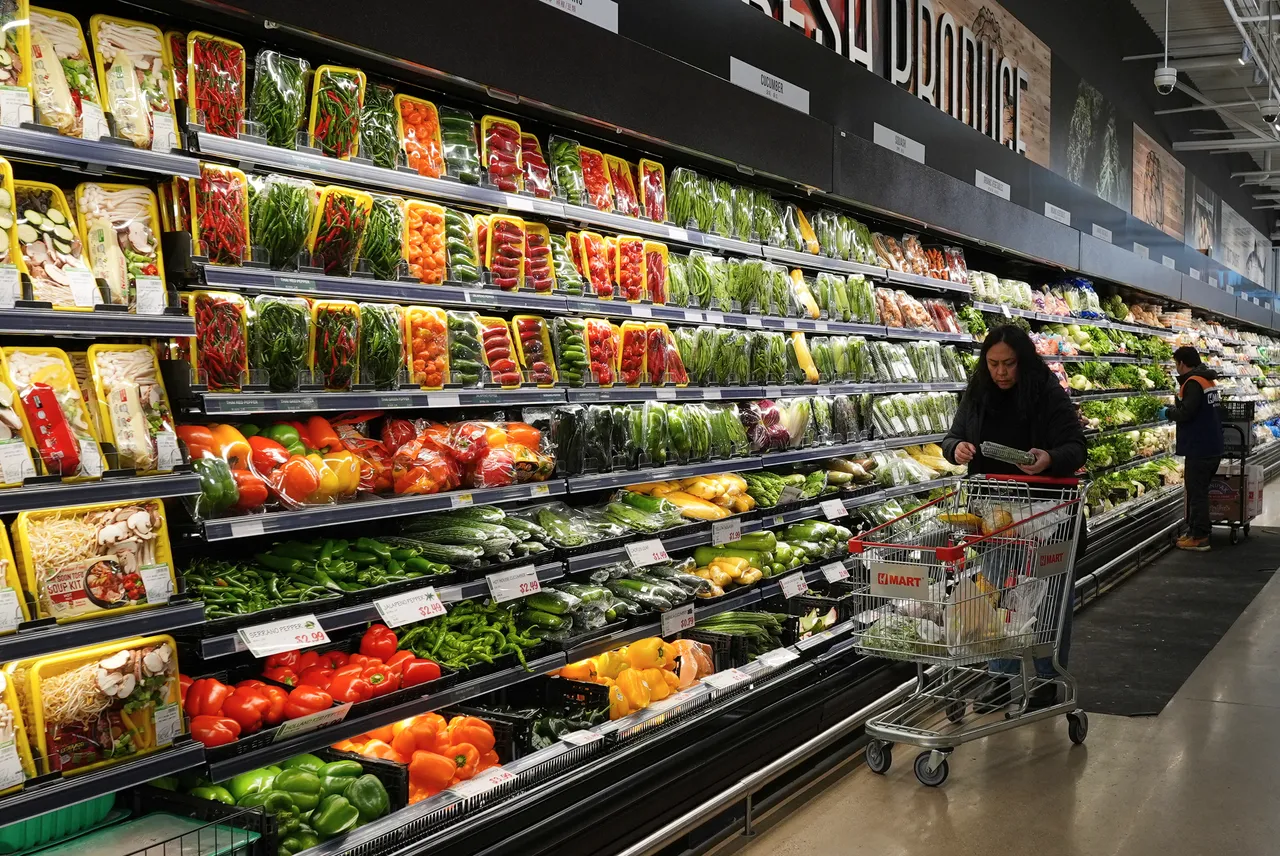
Wholesale prices in the United States rose sharply in April, pushed by a surge in energy costs related to US-Israeli war on Iran, registering their highest 12-month increase in more than three years.
The Producer Price Index (PPI) rose 6.0 percent for the 12 months ending in April, the Bureau of Labor Statistics (BLS) said on Wednesday, the highest level since December 2022.
Month-on-month prices rose by 1.4 percent, sharply higher than expectations and at their highest level since March 2022.
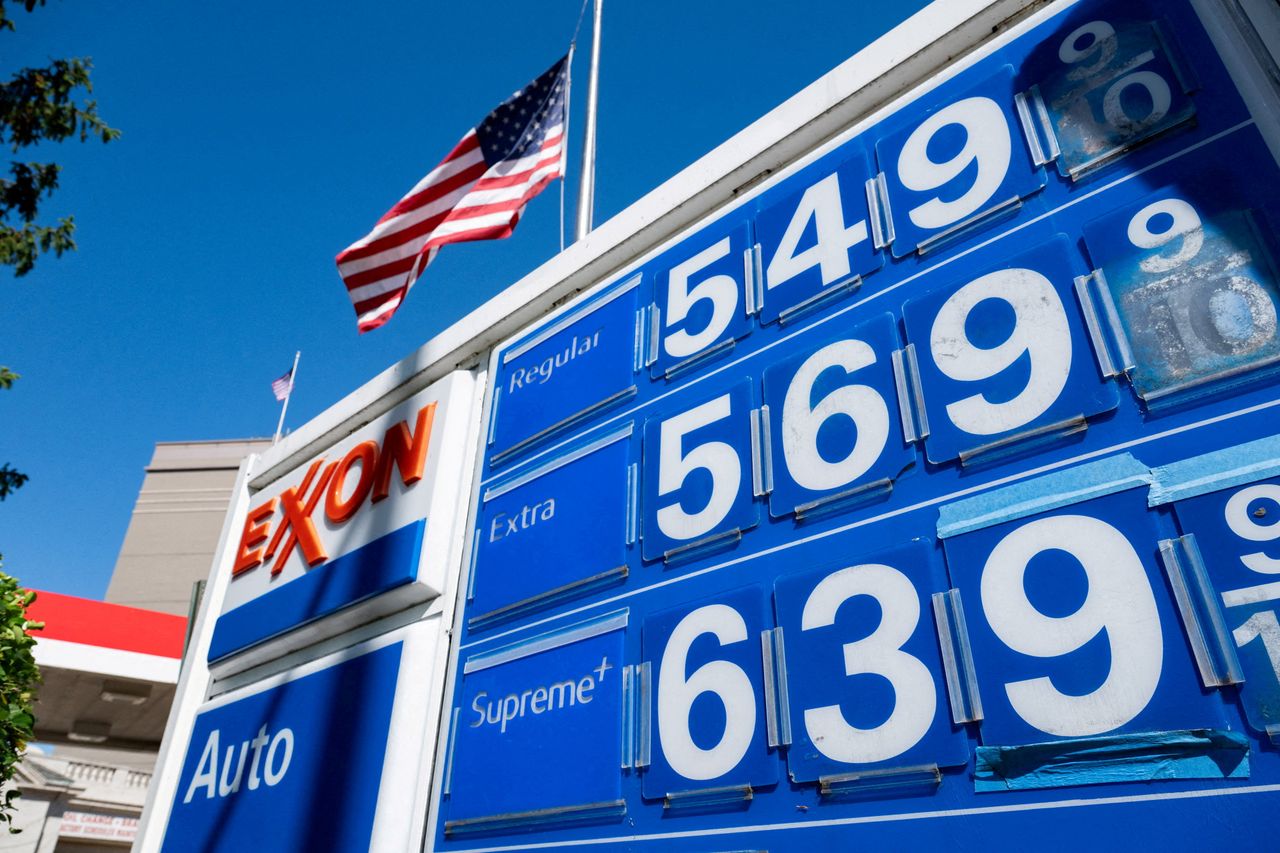
Energy prices climbed 7.8 percent from March to April and 22.7 percent from a year earlier. Gasoline soared 15.6 percent from March and diesel, the dominant fuel used in shipping, jumped 12.6 percent.
Excluding volatile food and energy costs, so-called core producer prices rose 1 percent from March and 5.2 percent from April 2025.
All the numbers were much higher than economists had expected and it alters the dynamic at the US Federal Reserve and its fight against inflation.
"This report (by BLS) will set off alarm bells at the Fed and add fuel to the political conversation about affordability," Carl Weinberg, chief economist at High Frequency Economics, wrote in a commentary. "The results are so far above expectations that this update will set off alarm bells in the financial markets, too."
Tehran sustains chokehold on Hormuz
The world's largest economy has been battling stubbornly high inflation since the pandemic, with US President Donald Trump's signature tariffs and the US-Israel war on Tehran piling pressure on prices.
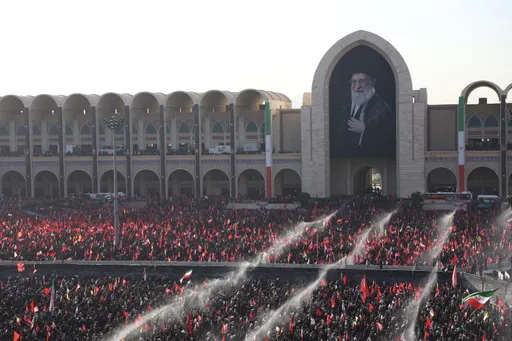
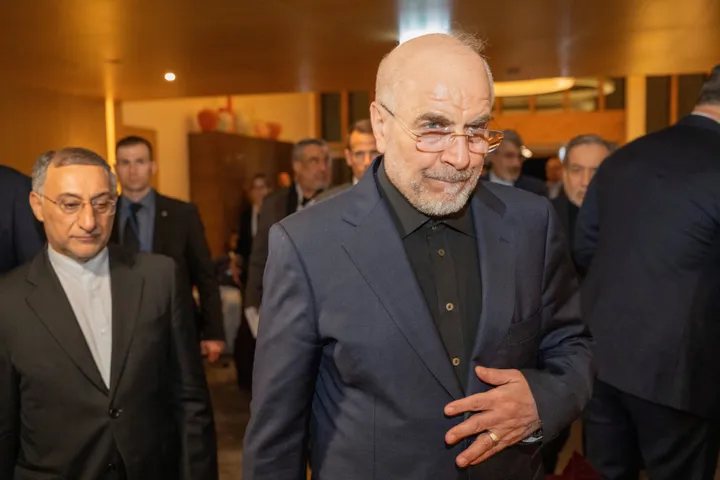
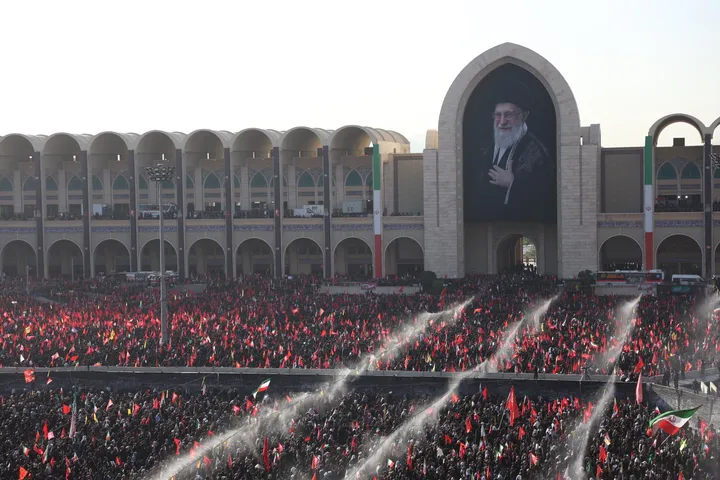
Iran's retaliation to US-Israeli attacks has seen the Middle East engulfed in violence, with Tehran virtually blocking the vital Strait of Hormuz waterway through which a fifth of global energy supplies pass. US has also imposed a harsh blockade on Iranian ports in Hormuz and elsewhere.
"Over 40 percent of the April advance in prices for final demand goods can be attributed to a 15.6-percent increase in the index for gasoline," the BLS said.


The increase was sharply up from March, when year-on-year PPI inflation was 4.0 percent. That figure, too, was fuelled by higher energy prices due to the Iran war.
The wholesale prices came a day after US consumer inflation also came in at a three-year high, registering at 3.8 percent year-on-year in April.
Walmart, a company famous for its intense focus on low prices, already announced rare price hikes last year, and the rising costs may intensify pressure to do so again. It is not alone.
Whirlpool, which makes KitchenAid and Maytag appliances, reported this month that its revenue dropped nearly 10 percent in its most recent quarter and said that the war has caused a "recession-level industry decline" that has undermined consumer confidence. It had announced a 10 percent price hike in April, its largest in a decade, and said that a separate 4 percent price increase is coming in July.
The company had absorbed the higher costs, choosing not to pass them on to customers, but that is changing.
Trump defends policies
Trump has made tackling high prices a key part of his political agenda, but has been unable to bring prices significantly lower — other than for some commodities — since returning to power last year.
Inflation will be a major political issue for voters heading into midterm elections in November, where control of both houses of the US Congress will be up for grabs.
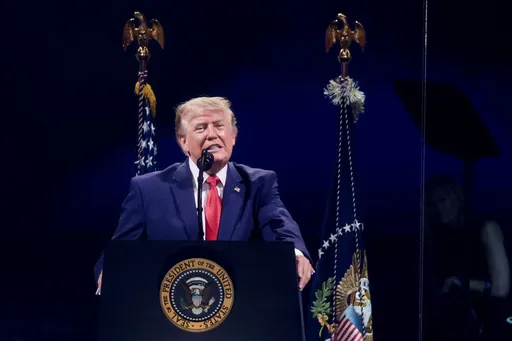
During a press gaggle before Trump boarded Air Force One for China on Tuesday, the US president defended his record by pointing to pre-war lows, pinned the blame on the Iran war, downplayed the spike as temporary, and said Americans’ pocketbook struggles were not a factor in his Iran policy — only stopping a nuclear Iran mattered.
When directly asked if Americans’ financial pain such as rising gas and grocery prices or falling real wages was motivating him to push for a deal to end the Iran war, Trump said: "Not even a little bit… I don’t think about Americans’ financial situation. I don’t think about anybody. I think about one thing: we cannot let Iran have a nuclear weapon. That’s all."
He described the current inflation as "short-term" and said it is "much lower than it was under Biden (previous administration," insisting "My [economic] policies are working incredibly."