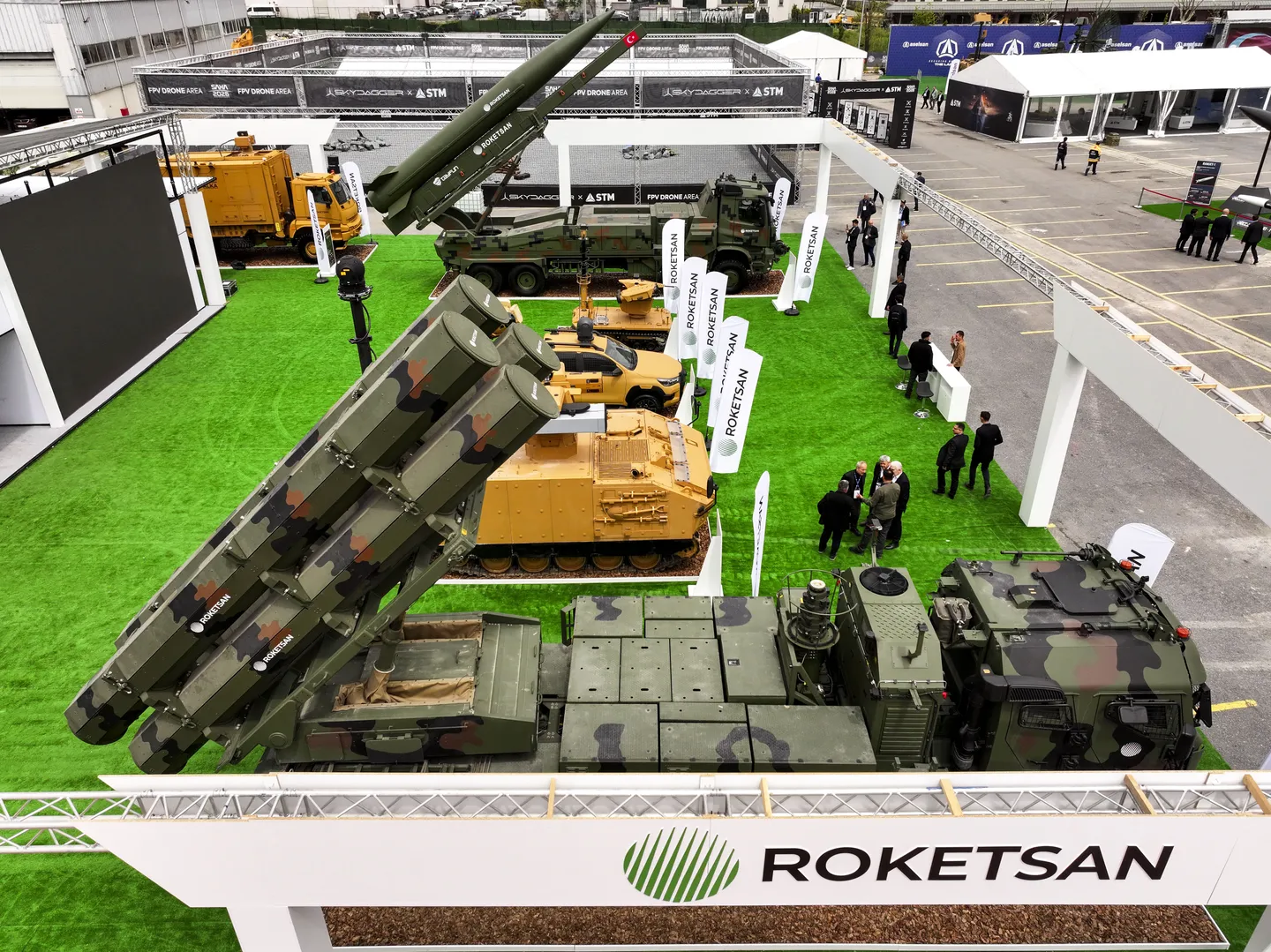
Türkiye plans to transfer technological expertise and capabilities gained in its booming defence industry to the civilian sector to help reduce foreign dependence on critical technologies, according to Ankara’s three-year Medium-Term Programme (MTP).
The economic plan covering 2027-2029 outlines that resource security will be strengthened across the energy, agriculture, food, health, technology, and defence sectors to empower these areas against global shocks, geopolitical tensions, and competitive pressures.
Ankara plans to further develop domestic production and innovation capacity to reduce foreign dependence on technologies and services, while diversifying supply chains and forming reliable partnerships in strategic sectors to contribute to these efforts.
The MTP aims to strengthen the Turkish economy’s resilience against shocks, demographic shifts, disasters, geopolitical developments, and global supply issues.
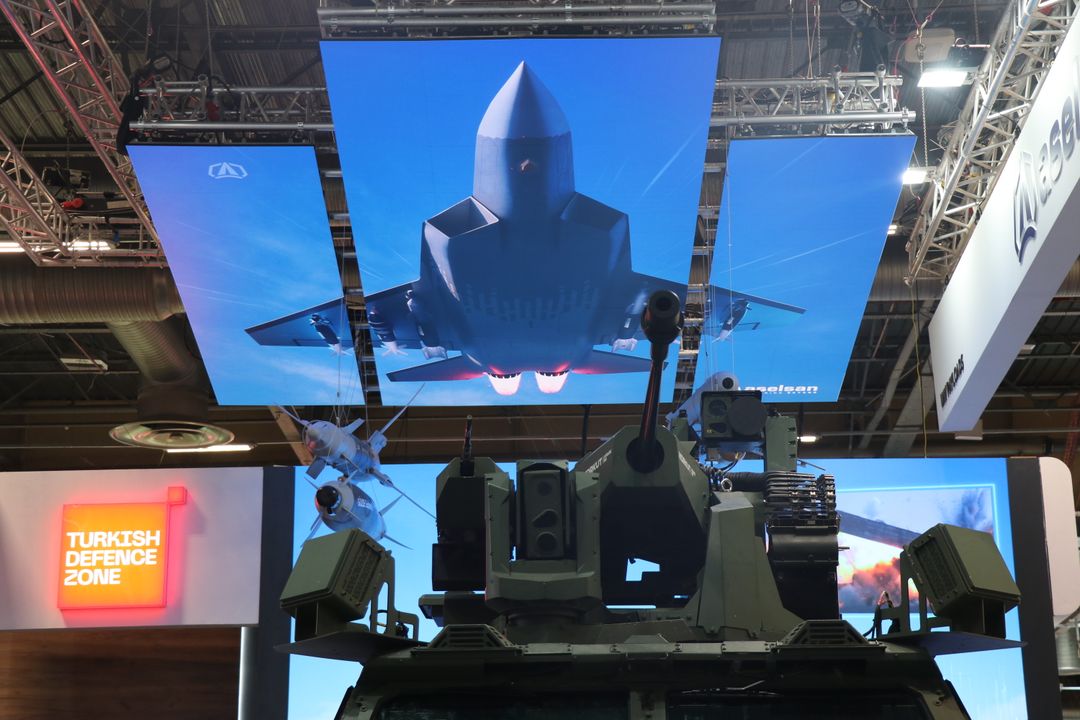
The Turkish government is planning to improve domestic research and development (R&D), production, and innovation capacities in defence, healthcare, semiconductors, and artificial intelligence (AI) and transfer technologies developed in these areas to civilian applications.
The healthcare sector will serve as the primary testing ground for this technological crossover, with heavy support for domestic research and production of vaccines, pharmaceuticals, medical devices, diagnostic kits, and AI-based health technologies.
Targeted action





Another major priority in the three-year plan is semiconductor manufacturing.
Türkiye aims to establish plants to domestically produce microchips for national identity cards, passports, and other industrial applications, while expanding the sector’s commercial potential.
Plans are under way to mandate the standardisation of public institution data to train and develop new AI systems.
Targeted action plans for the manufacturing, energy, agriculture, health, and transportation sectors will be drafted to carry out these structural shifts, which will later be evaluated by the Economic Coordination Council.
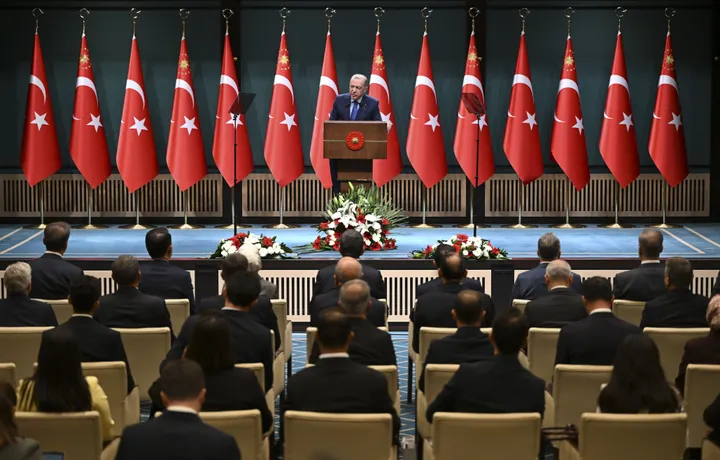
Turkish Vice President Cevdet Yilmaz highlighted the role of public procurement in driving the civilian technology boom, noting that global collaboration is needed to develop and market these critical technologies.
Yilmaz noted that Ankara will seek to establish joint production platforms with allied countries, similar to the multinational development of the US F-35 fighter jet.