Sadiq S Bhat
Washington, DC — In a set of elections that function as the UK’s version of midterm tests, Nigel Farage’s Reform Party has delivered a jolt to the British political establishment.
Results from more than 5,000 council seats across England showed Reform surging to first place in the popular vote and picking up hundreds of new local councillors, often at the direct expense of UK Prime Minister Keir Starmer’s Labour Party and the opposition Conservatives.
British local councils are the workhorses of daily life: they empty the bins, set local taxes, approve housing developments, run libraries and care for the elderly.
These results, covering 136 authorities, are not from a general election. But they are widely read as a verdict on Starmer’s nearly two-year-old Labour government, which won a landslide in 2024 yet now finds itself politically bruised.
The story is one of fragmentation.
Britain’s old two-party system, Labour versus Conservative, is cracking under the weight of voter disillusionment, economic anxiety and fierce debate over immigration.
Reform’s breakthrough marks the clearest sign yet that politics in the UK is splintering into a multi-party contest.
Reform’s surge is Labour’s loss
Reform had already netted more than 400 council seats and taken control of several authorities, including the London borough of Havering, its first-ever win in the capital, and Newcastle-under-Lyme in the Midlands.
In some traditional Labour strongholds, the rout was dramatic. Reform swept all 22 seats Labour was defending in Wigan and 16 of 17 in Tameside.
Vote-share estimates put Reform at roughly 26 to 27 percent nationally in the wards counted so far, comfortably ahead of Labour at around 16 per cent and the Conservatives in the low 20s.
The Liberal Democrats and Greens also picked up seats in pockets, underscoring the splintered electorate.
Reform dominated in Brexit-voting areas, while the Greens gained among younger, progressive voters frustrated with Starmer’s centrism.
Conservatives shed seats too, though they clawed back Westminster from Labour.
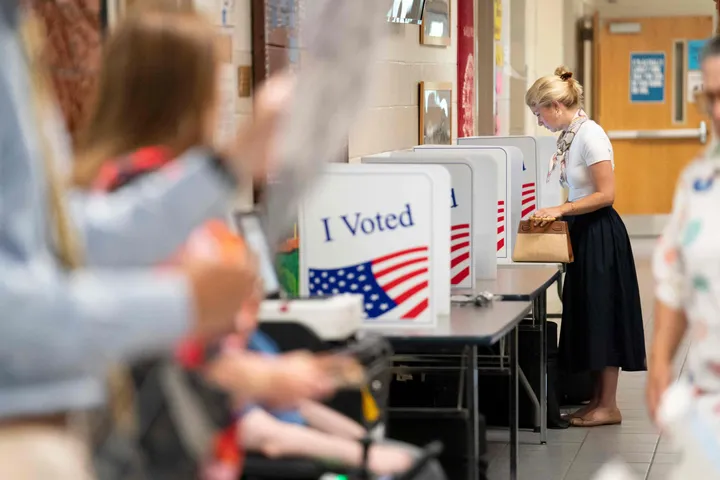
Although the turnout was a modest 42 percent, the message from those who voted was clear.
Why Reform?
Reform UK, founded as a successor to the Brexit Party, campaigns on a hard-right populist platform: freeze “non-essential” immigration, deport illegal arrivals and foreign criminals immediately, and prioritise British workers.
Its slogan, “Britain is broken”, resonates in towns that feel left behind by globalisation, high housing costs and strained public services.
Many voters, especially in working-class “Red Wall” seats that once reliably backed Labour, bought the Reform argument that demographic change is to blame for pressure on the National Health Service, schools and housing.
Reform’s message, stop the boats crossing the English Channel turned some of that frustration into seats.
Farage, a veteran campaigner, has declared the moment as “a truly historic shift in British politics” and positioned Reform as now “the most national of all parties”.
With Britons still feeling the pinch of inflation, energy costs and stagnant wages, Starmer’s government inherited post-Brexit trade frictions and global instability.







The voters appear to be impatient with the pace of improvement.
Hit on Starmer’s Labour government
Starmer addressed the results on Friday morning with characteristic restraint. He accepted responsibility for “a very tough set of results”, acknowledged that “lives aren’t changing fast enough for people”, and insisted he was “not going to walk away”.
Yet the losses in Labour heartlands (Wigan, Tameside, Hartlepool, Sunderland, Barnsley) are too big to ignore.
Labour’s 2024 landslide gave it a huge parliamentary majority and breathing room until the next general election, due by 2029. But these local results erode that cushion.
There is a clear signal that Reform is eating into Labour’s traditional base while the Greens nibble at its progressive flank.
Interestingly, the once-dominant Conservatives, still reeling from their 2024 wipeout, continued to bleed support. Reform is not merely competing with them; in many places, it is supplanting them as the party of the right.
Traditional Tory voters in rural and suburban England appear to be drifting to Farage’s more uncompromising message on immigration and “woke” culture.
What happens next?
Local elections rarely topple governments, but they shape the political weather.
We should expect intensified scrutiny of his government’s immigration policy, which is already tightening, and of its economic delivery.
A further lurch right on borders risks alienating Labour’s progressive voters; sticking with the status quo risks strengthening Reform.
Farage now has hundreds of new local councillors who can build a grassroots machine. The party has only eight MPs in Parliament today, but these results support its claim to be a serious national contender.
Nationally, the first-past-the-post system (one who gets the most votes in a district wins the seat — even if they get less than 50%) will continue to favour winners, but a persistently split vote could produce surprising outcomes in a future general election.
Reform’s gains today amplify a debate that has simmered since Brexit.
Net migration in the UK remains high; public anxiety about integration, housing and public services is real. Labour’s response, and whether it can deliver without alienating its base, will be a defining test.
Britain is not about to lurch into full populist upheaval. Starmer still retains a parliamentary majority and time to turn things around.
Yet these council results are a warning shot: the old certainties of British politics are gone.
In their place is a more volatile, multi-party contest where immigration, living standards and trust in government are the new battlegrounds.