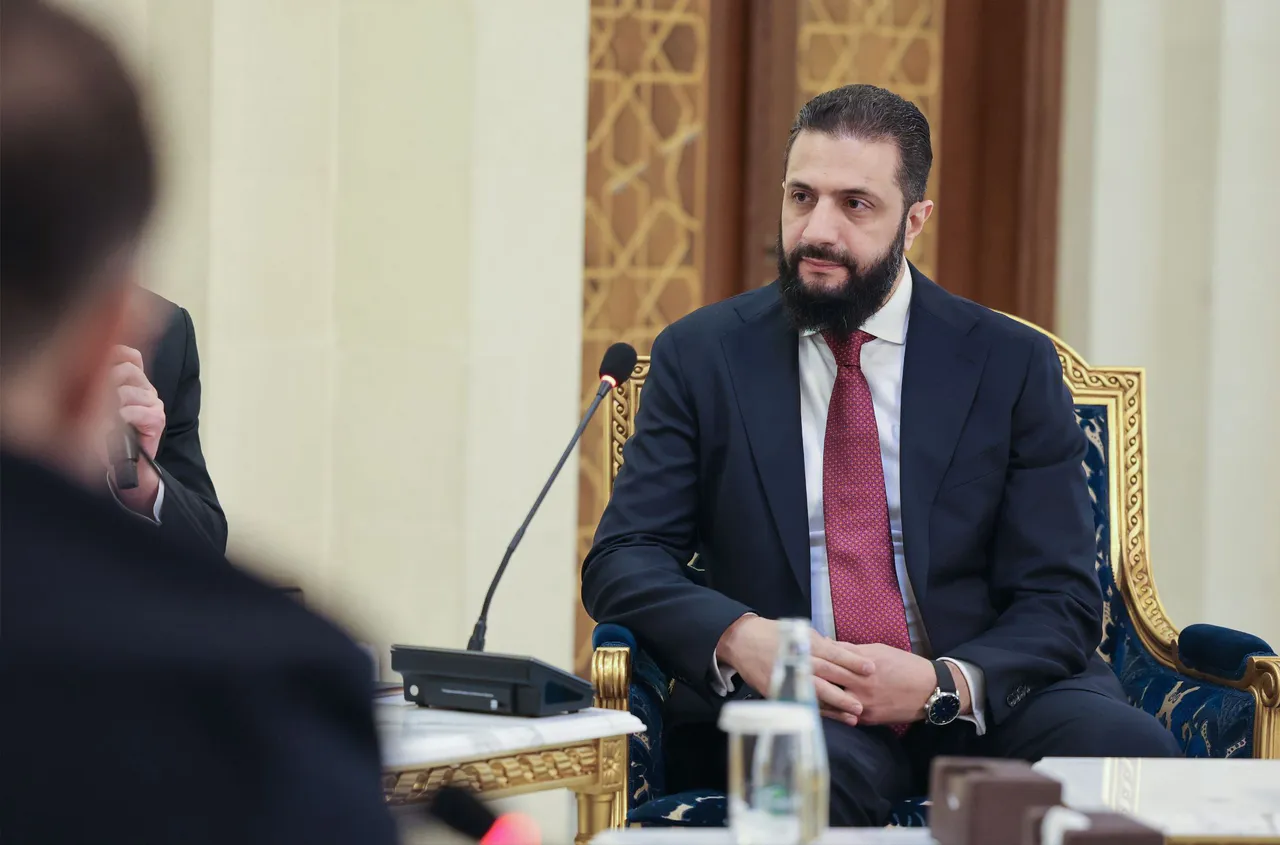
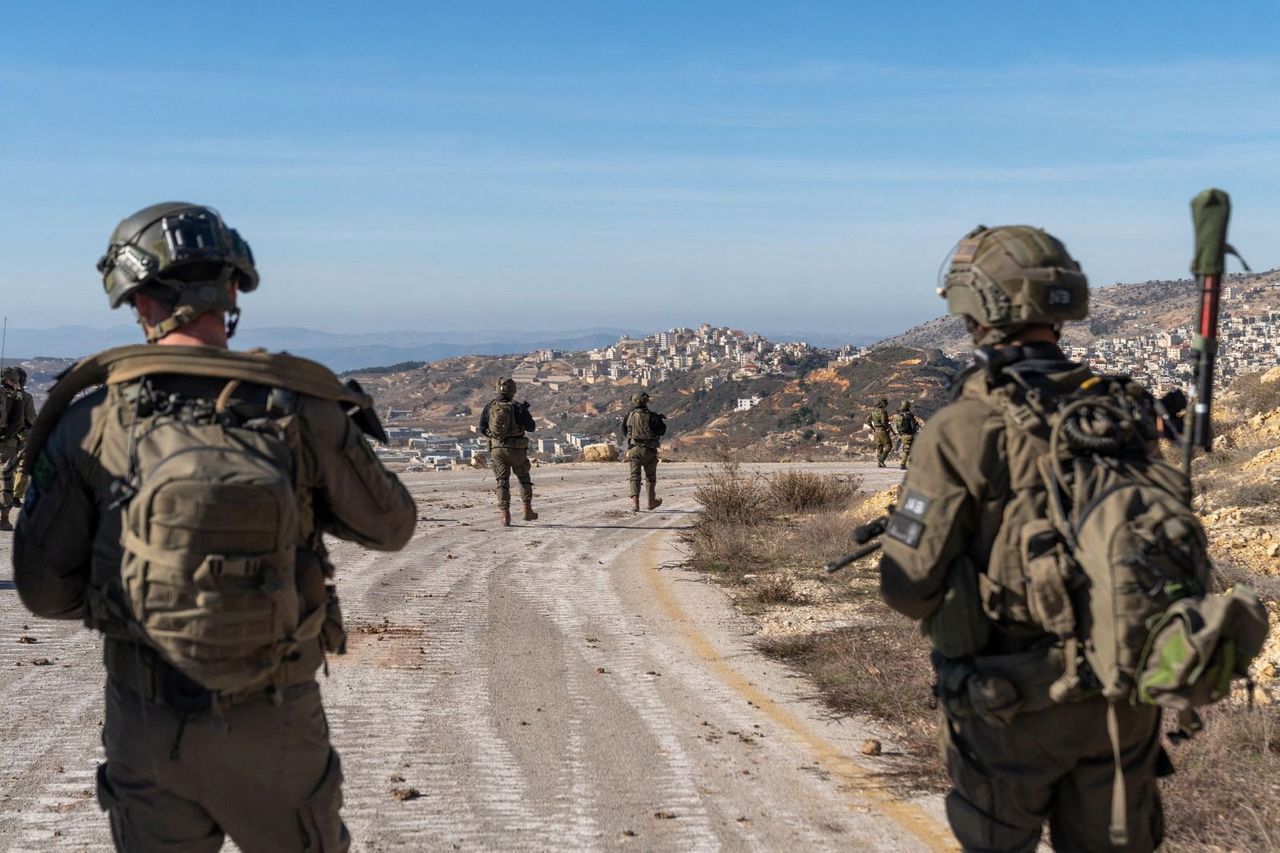
Syrian President Ahmed al Sharaa has called on the international community to take responsibility for continued Israeli aggression against Syrian territory, urging a return to the 1974 disengagement agreement.
Speaking after an informal EU leaders’ meeting on Friday in Greek-administered Cyprus, attended by regional leaders and senior EU officials, al Sharaa said Israeli attacks and violations of Syrian sovereignty must be addressed through stronger international action.
“I would like to invite the international community to assume its responsibility vis-a-vis all the Israeli aggressions of all types … that are striking in our lands and territories,” he said.
He called for a return to the 1974 disengagement agreement, which established a UN-monitored buffer zone between Syria and Israel following the Yom Kippur War.
Al Sharaa argued that Syria’s stability is directly tied to wider Middle East and European security, saying stronger cooperation between Damascus and Europe is now essential.
“We know that Europe needs Syria as much as Syria needs Europe,” he said. “It is inevitable … in order to guarantee security and also the supply chains in the world.”
EU pushes for permanent peace
European Commission President Ursula von der Leyen said the recent pause in hostilities in Lebanon was welcome, but warned that it falls far short of what the region needs.
“A temporary pause is not enough. We need a permanent path to peace,” she said.
Speaking alongside Lebanese President Joseph Aoun and al Sharaa, von der Leyen stressed that security in Lebanon, the Gulf and the broader Middle East is deeply interconnected.
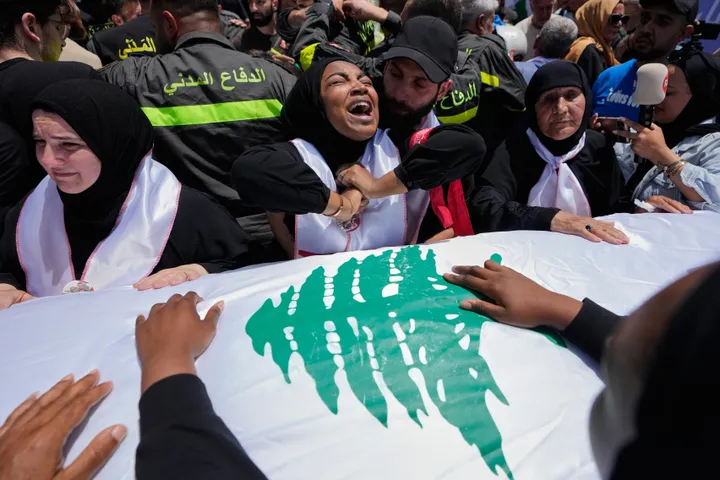
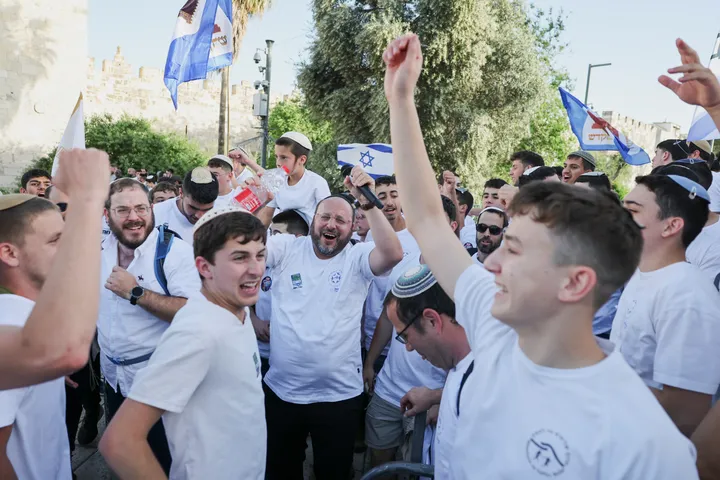


“You cannot have stability in the Middle East or the Gulf while Lebanon is in flames,” she said, calling for full respect for Lebanon’s sovereignty and territorial integrity.
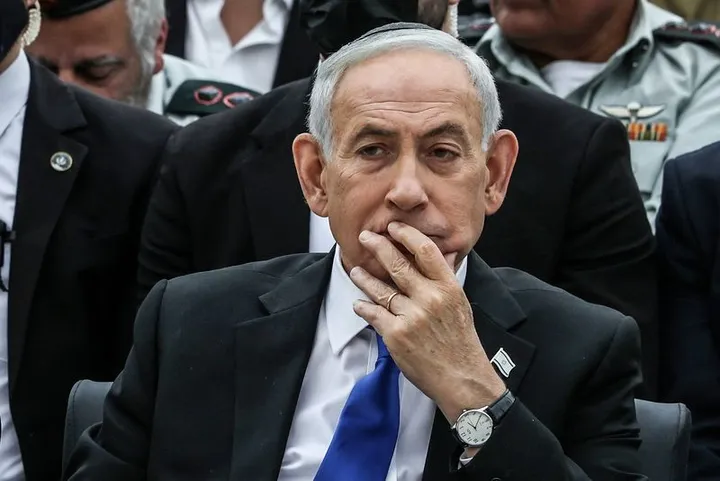
She also said any long-term peace arrangement must address Iran’s nuclear and ballistic missile programs, describing them as a serious threat to regional stability.
Europe signals deeper Syria engagement
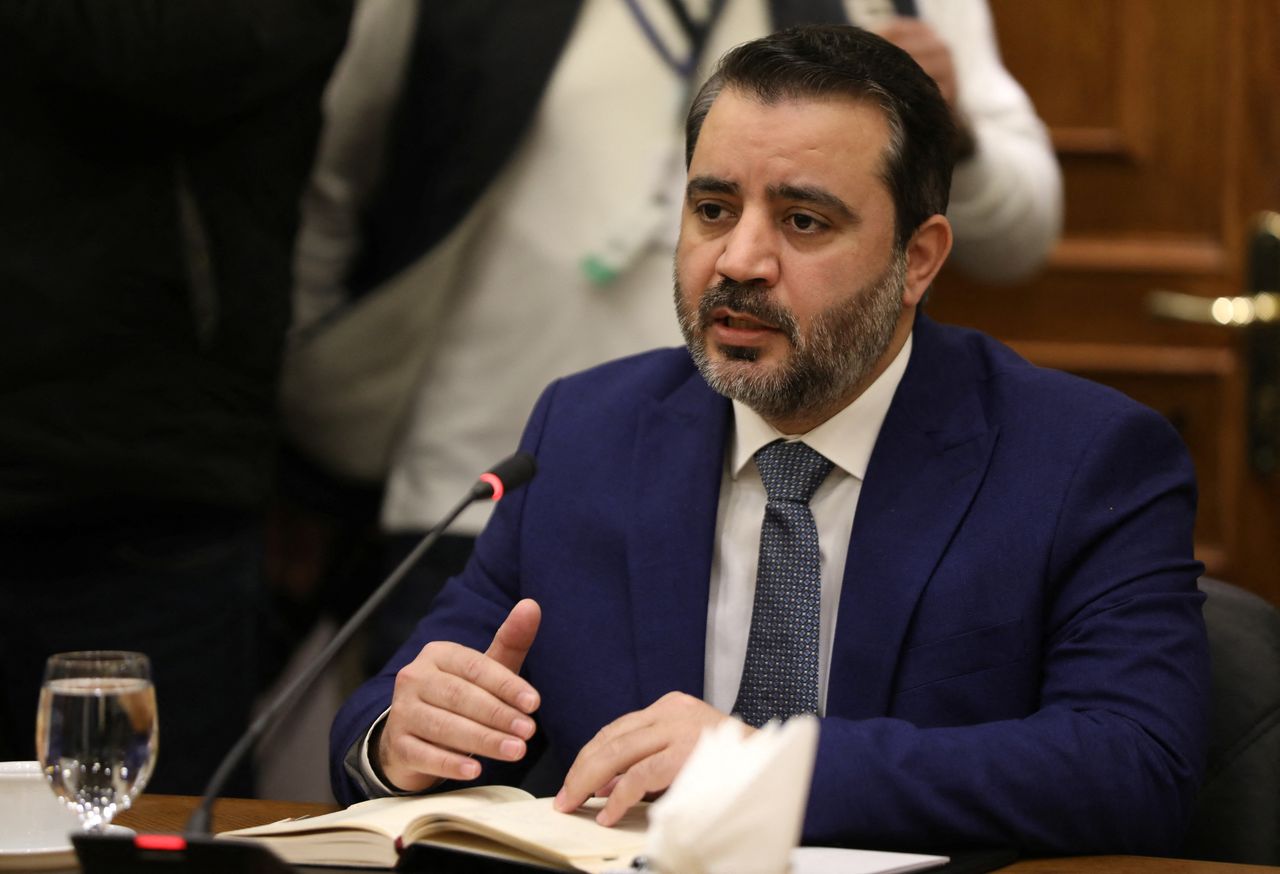
Al Sharaa described Friday’s talks as “a good start” and said a “very high VIP dialogue” next month would help strengthen Syria’s strategic integration with Europe.
He suggested that stronger European engagement in Syria’s security and reconstruction could help end Israeli strikes and restore regional balance.
EU Council President Antonio Costa also called for de-escalation, saying the conflict has had “disastrous consequences” for civilians and the global economy.
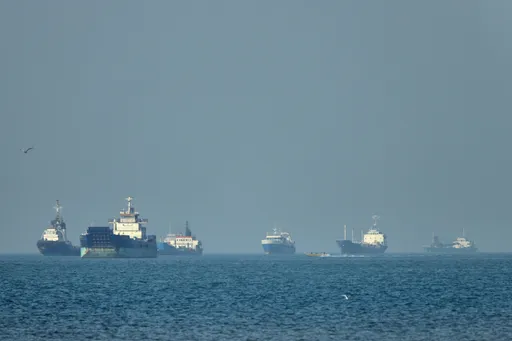
He urged the reopening of the Strait of Hormuz “without restrictions,” saying freedom of navigation is vital for global stability.
Costa added that diplomatic efforts must continue in full respect of international law and the sovereignty of both Lebanon and Syria.
The meeting reflected growing European concern that the wars spreading across the Middle East are no longer regional crises alone, but direct threats to global security, energy markets and long-term political stability.