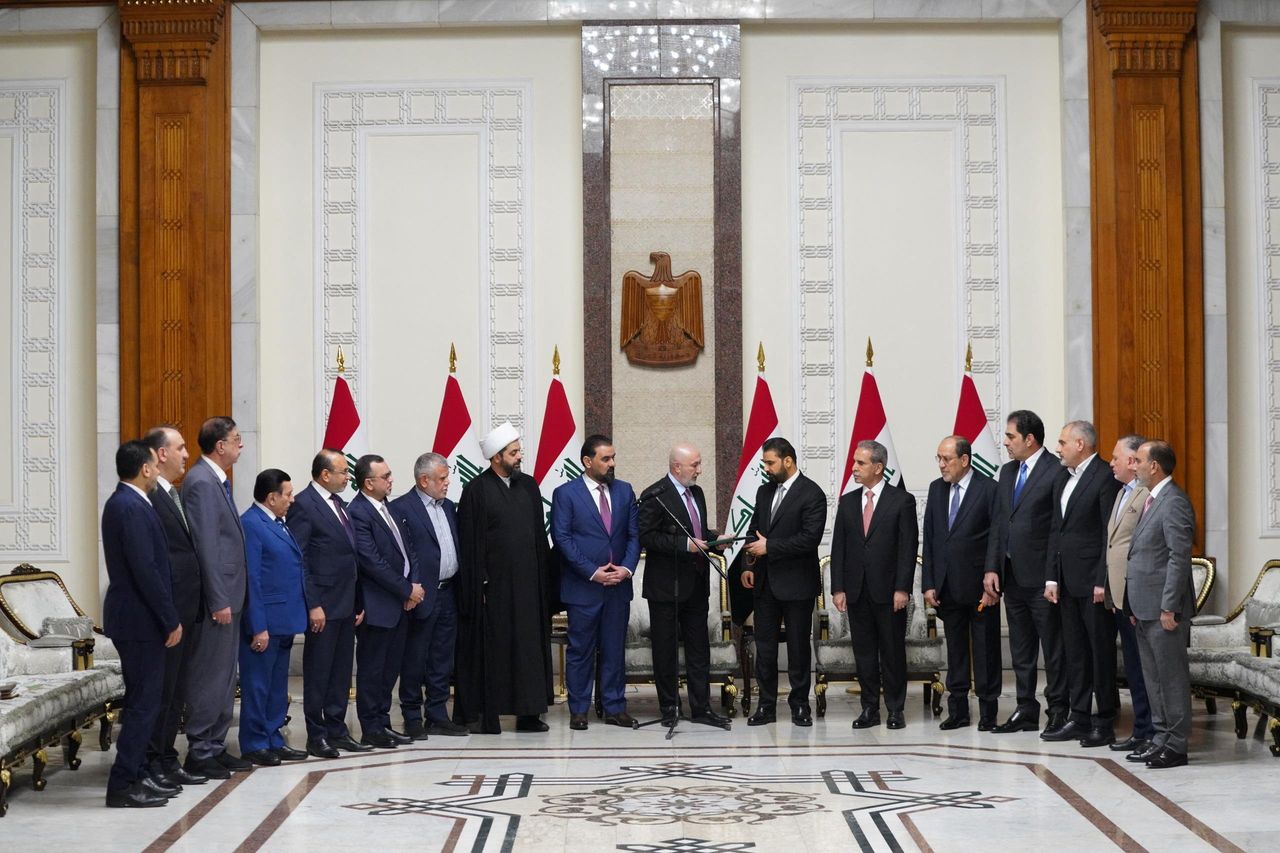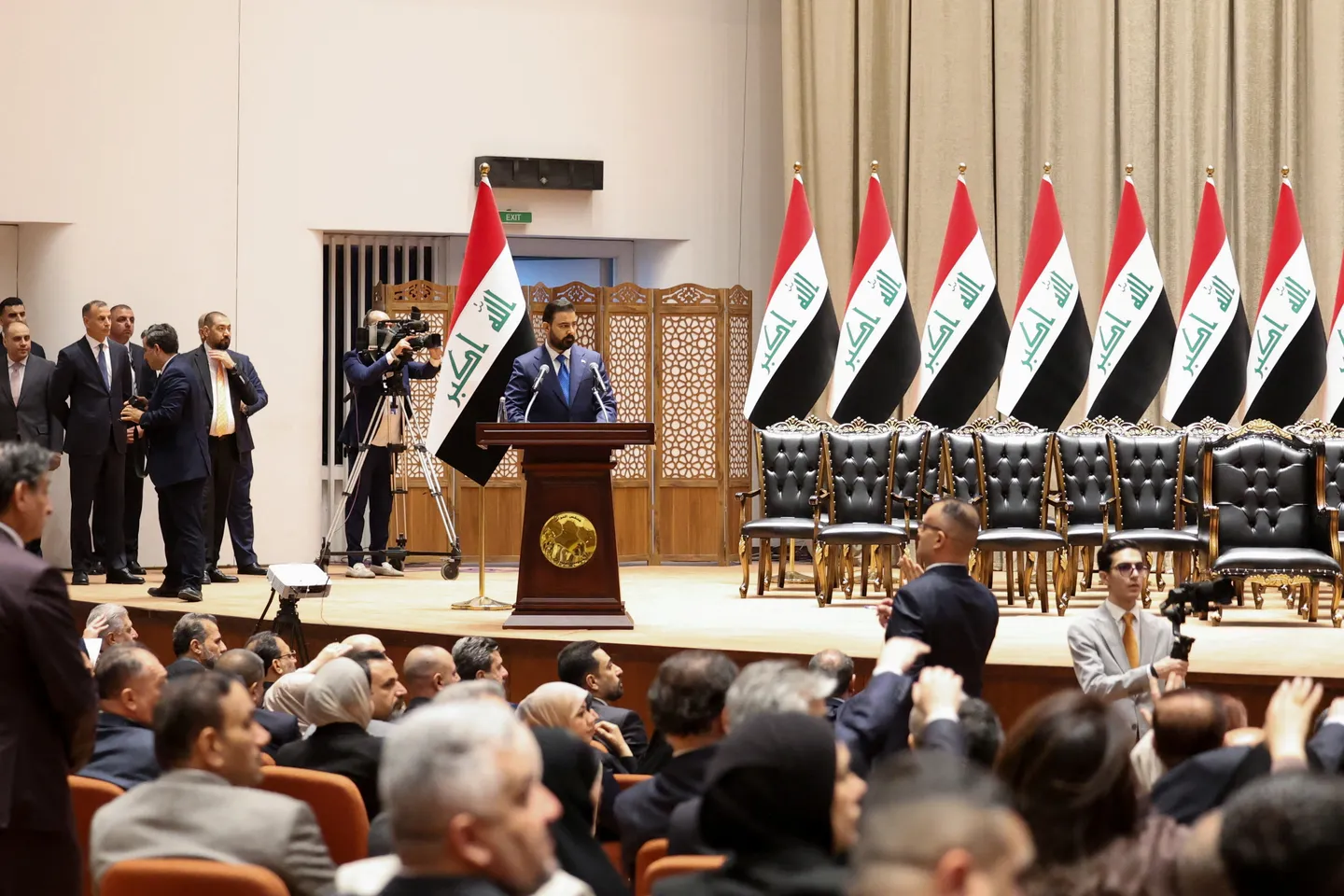
Iraqi lawmakers have approved a new government led by Ali Al-Zaidi, who took office after months of deadlock and mounting US pressure.
"The Council of Representatives votes to grant confidence to the government of Prime Minister Ali Faleh Al-Zaidi and its ministerial programme," the prime minister's media office said on Thursday.
In Iraq, a government wins a confidence vote when parliament approves half plus one of its ministries.
Al-Zaidi and the ministers who secured parliamentary confidence took the constitutional oath, formally assuming their duties.
Al-Zaidi's government should include 23 ministers, but its line-up remains incomplete as key political parties continue to negotiate several portfolios.
The INA state news agency said that an "absolute majority" of MPs approved 14 ministerial nominations that were put to a vote.
Al-Zaidi presented his government programme during the parliament session, which was not broadcast live, but he has yet to announce it publicly.
Al-Zaidi, Iraq's youngest prime minister at the age of 40, was chosen to form the new government on April 27.






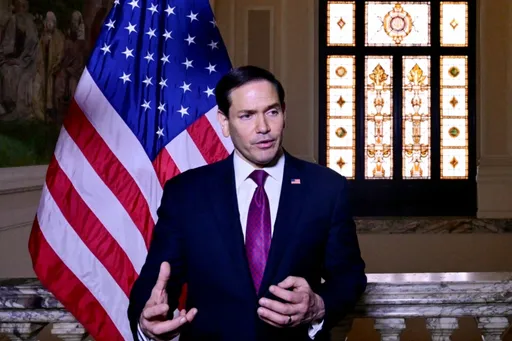
His nomination followed months of deadlock after the United States, a key powerbroker in Iraqi politics, vetoed the previous frontrunner, former premier Nouri al-Maliki.
He is backed by the Coordination Framework, a ruling alliance of powerful Shia groups with varying ties to Iran.
Iraq has long walked a tightrope between the competing influences of its allies, neighbouring Iran and the United States.
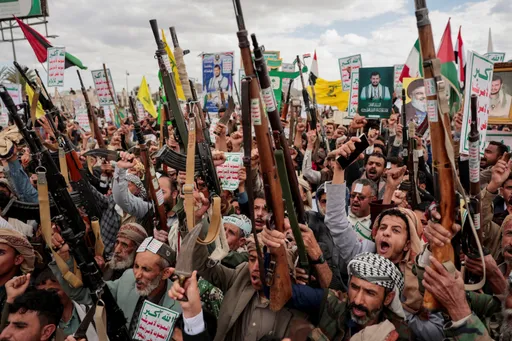
Iraq's new cabinet will be expected to address Washington's long-standing demand that Baghdad disarm armed groups, which the US designates as terrorist organisations.
After the United States and Israel attacked Iran on February 28, those groups hit US facilities in Iraq more than 600 times before a ceasefire was announced, according to a US official.
Washington also struck their positions and bases, killing dozens of their members.