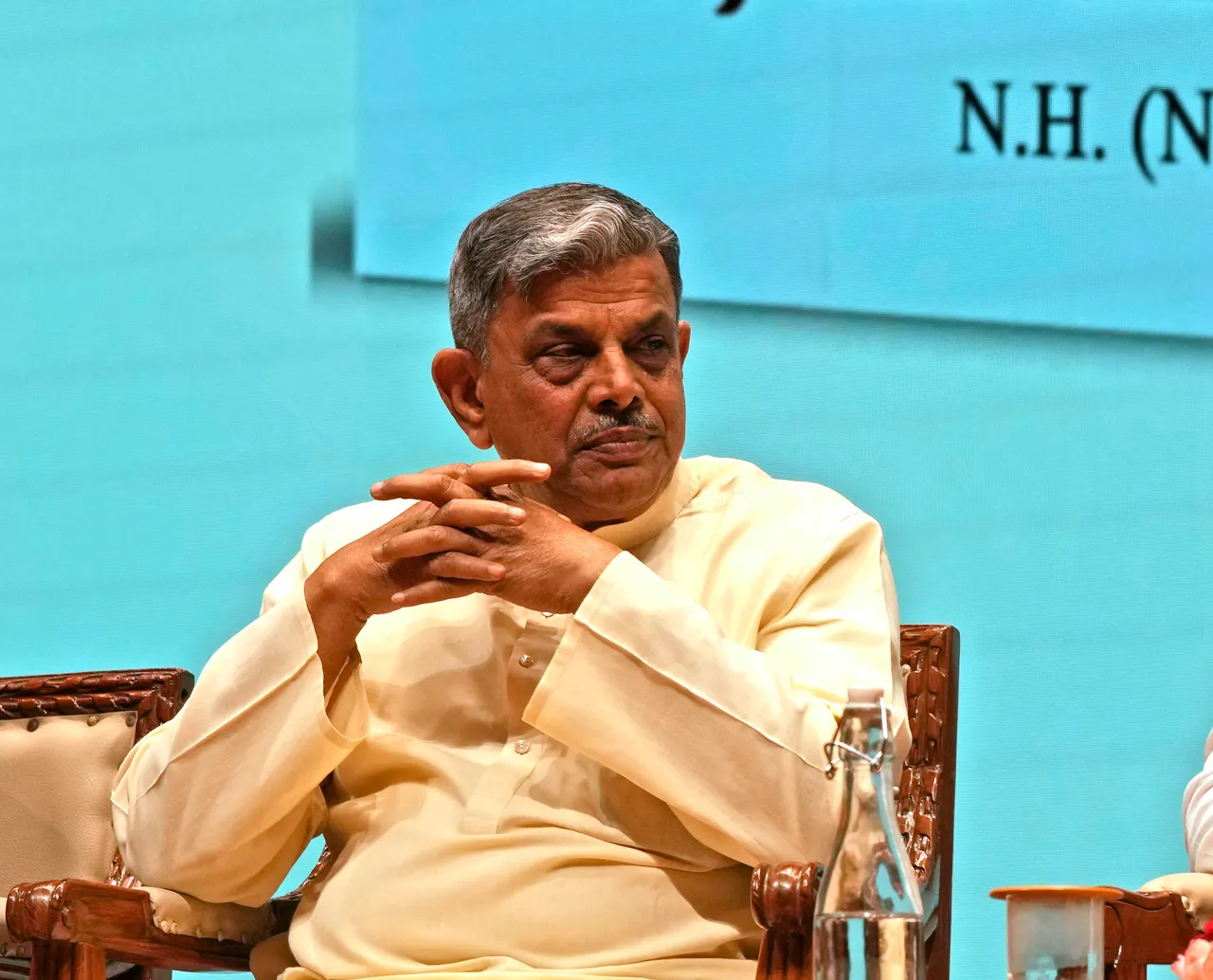
A leader of a powerful Hindu paramilitary group from which Indian Prime Minister Narendra Modi's party emerged, has called for resumption of dialogue with Islamabad, suspended following a four-day conflict last year, which the US claimed was escalating towards a nuclear confrontation.
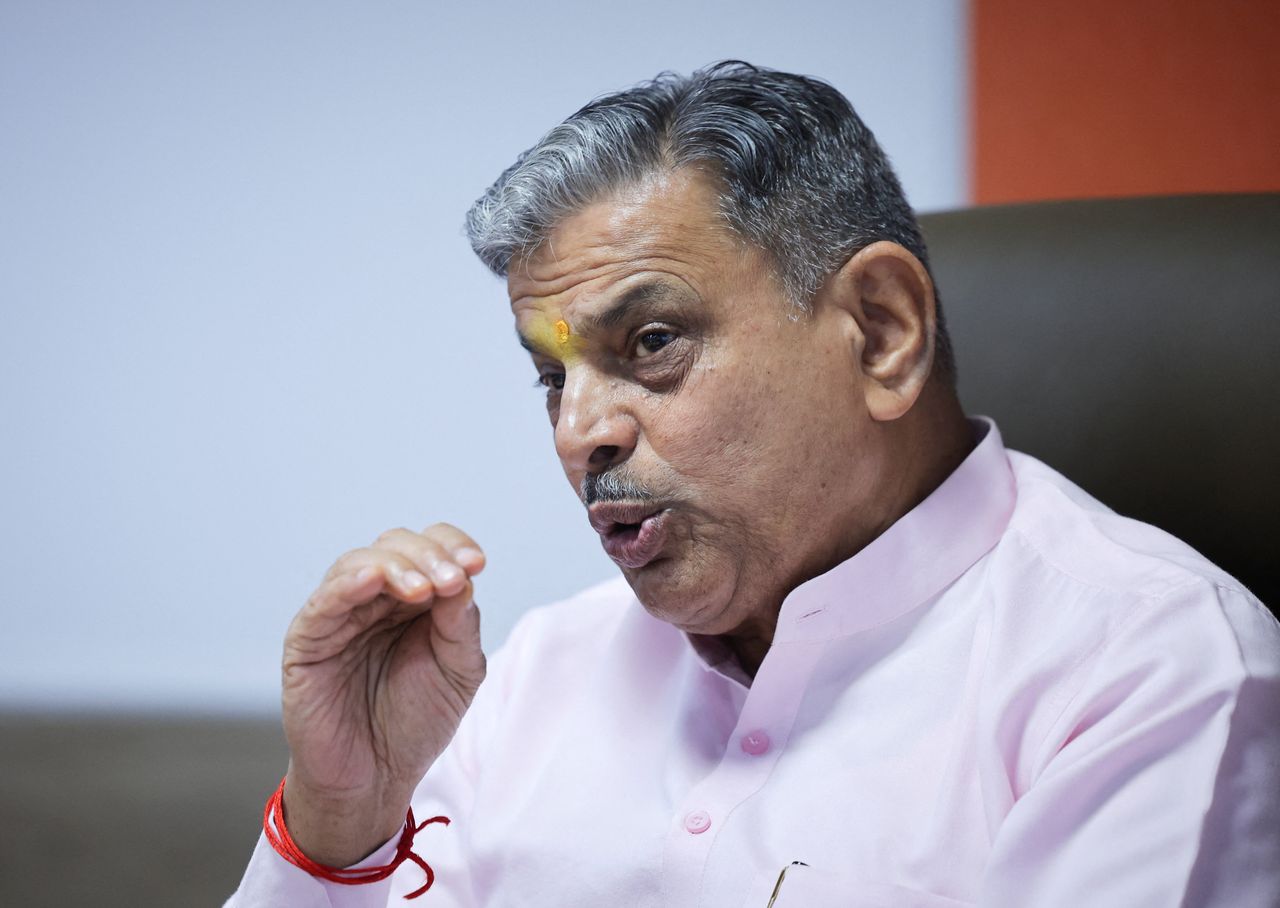
In his first major public remarks regarding Pakistan since returning from a tour of the US, Dattatreya Hosabale, the senior leader of the right-wing Rashtriya Swayamsevak Sangh (RSS) told Indian media that, "We should not close the doors. We should always be ready to engage in dialogue. That is why diplomatic relations are maintained, trade and commerce continue, and visas are being given. So, we should not stop these, because there should always be a window for dialogue."
Founded nearly a century ago, RSS is the world’s largest paramilitary group, whose members assassinated Mahatma Gandhi, revered in India as the Father of the Nation, and were banned multiple times in India.
In its 2026 annual report, the US Commission on International Religious Freedom (USCIRF) has recommended targeted sanctions against the RSS and its members for engaging in and tolerating severe religious freedom violations in India, including calls to freeze assets and ban entry to the US.
The commission has accused the RSS of driving anti-minority violence in the South Asian country, where Hindus (over 80 percent) are majority and Muslims (some 14 percent) are in minority.
Last week, an expert tracking Hindu hate crimes against Muslims and Christians and other marginalised groups in India testified before USCIRF, telling it the persecution "bears the sanction of the country's top political leadership led by PM Narendra Modi" and is carried out through the state apparatus and the militant networks of RSS and its affiliates.
Under the rule of Modi’s Bharatiya Janata Party (BJP) with RSS in the backdrop, India has seen brazen attacks against minorities — particularly Muslims — from hate speech to lynchings. India’s democracy, critics say, is faltering as the press, political opponents and courts face growing threats.
And Modi has increasingly blurred the line between religion and state.
The RSS was formed in 1925 and was inspired by Nazi Germany and Adolf Hitler. The paramilitary group with the stated intent to strengthen the Hindu community was hardly mainstream. It was tainted by links to Gandhi’s assassination and accused of stoking hatred against Muslims as periodic riots roiled India.
For the group, Indian civilisation is inseparable from Hinduism, while critics say its philosophy is rooted in Hindu supremacy.
Today, the RSS has spawned a network of affiliated groups, from student and farmer unions to nonprofits and vigilante organisations often accused of violence. Their power — and legitimacy — ultimately comes from the BJP, which emerged from the RSS.
In an image makeover trip to US, Hosabale addressed events at Stanford University in San Francisco and the conservative Hudson Institute in Washington DC.
Hosabale has said his group RSS had organised foreign trips, including to the UK and Germany, to counter perceptions it is a paramilitary outfit involved in large-scale attacks on minority communities, especially Muslims and Christians.
India-Pakistan standoff
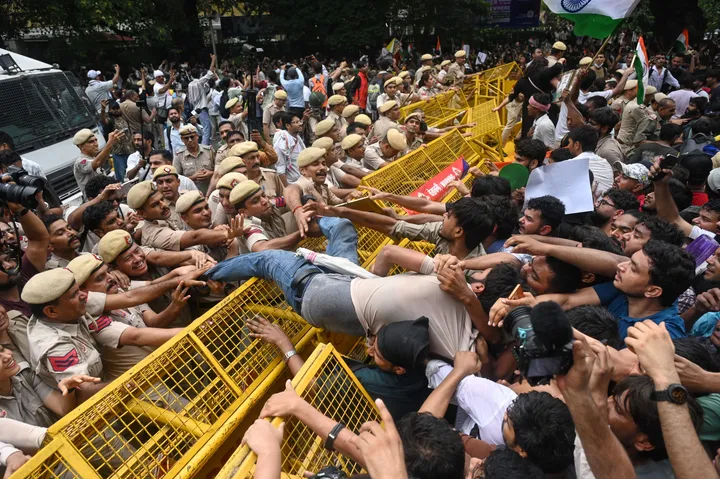
Relations between India and Pakistan plummeted last year after an April 22 attack in Indian-administered Kashmir killed 26 men, mostly Hindu tourists, leading to the worst conflict between the nuclear-armed neighbours in decades.
Without providing any evidence, India blamed Pakistan for backing the attack, a charge Islamabad denied. Pakistan called for an international probe but New Delhi rejected the suggestion, triggering tit-for-tat diplomatic measures and a sharp military escalation.
On May 7, India launched "Operation Sindoor", targeting Pakistan and Pakistan-administered Kashmir. Islamabad responded with its own "Operation Bunyanun Marsoos", or Iron Wall, targeting military sites in India-administered Kashmir as well as inside India.
The four days of attacks, involving warplanes, missiles, drones and artillery, left more than 70 people, mostly civilians, dead on both sides.
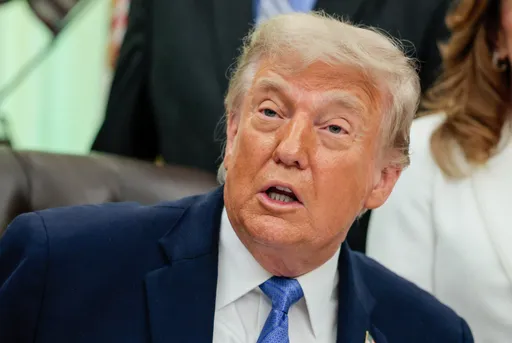
A US-mediated ceasefire on May 10 halted the war, which US President Donald Trump stated could have escalated into a nuclear confrontation. Islamabad hailed US efforts and nominated Trump for the Nobel Peace Prize.
Indian PM Modi, however, informed Parliament that Trump played no role in the India-Pakistan truce.
Pakistan confirmed it shot down four French-made Rafale jets, one Mirage 2000 jet, one Su-30 jet, one MiG-29 jet, and a Heron unmanned aerial vehicle belonging to Indian troops during the clashes.
India has acknowledged aircraft losses but did not specify a number. However, it claimed to have damaged Pakistani jets which Islamabad denies.
Pakistan credited its Chinese-built J-10 fighter jet and jointly produced JF-17 Thunder aircraft with playing a key role in the aerial engagements.


The brief war marked a rare real-world test of modern Chinese military hardware, drawing attention from several developing countries seeking cost-effective alternatives to Western systems. As a result, Chinese firms manufacturing fighter jets saw their sales rise.
Analysts say Pakistan emerged with a strategic advantage from the confrontation with its much larger neighbour.
But relations between the South Asian neighbours stand at a dangerous low. India says its operation remains suspended but has not ended. Islamabad says it is ready for another round of conflict with its arch-rival.
Trade is suspended, diplomatic ties downgraded and both countries’ airspace remains closed to flights from the other, inflicting heavy costs on Indian airlines.
After their war, India suspended World Bank-mediated 1960 Indus Water Treaty with Pakistan, which in turn put in abeyance the 1972 Simla Agreement with India, according to which all disputes, including Kashmir, should be resolved bilaterally and peacefully.
Their almost decade-long dispute over Kashmir, which they claim in full but administer in part, remains unresolved.
Both countries have fought multiple wars over the decades. Analysts consider the 2025 war as the biggest air battle since World War II in terms of the number of aircraft involved.
Decades of conflict over Kashmir, the heightened political hostilities, and the patriotic zeal of hundreds of millions of people have increasingly influenced the international sporting arena as well.
RSS’ Hosabale, however, suggested sporting events between India and Pakistan should continue, saying, "This is the one hope I think, because I believe strongly that ultimately the civil society relations [will work]. Because we have a cultural relation and we have been one nation".
Hosabale said that former Indian Prime Minister Atal Bihari Vajpayee maintained a channel for dialogue with Pakistan and even travelled to the eastern city of Lahore by bus.
"Everything has been tried and more such efforts should continue. Atal ji tried to engage them in dialogue. He went to Lahore by bus and many things have happened, and our prime minister now also invited Pakistan at the time of taking oath. Then he attended the wedding ceremony of a Pakistani leader. So, all these things we have tried."
Congress attacks Hosabale
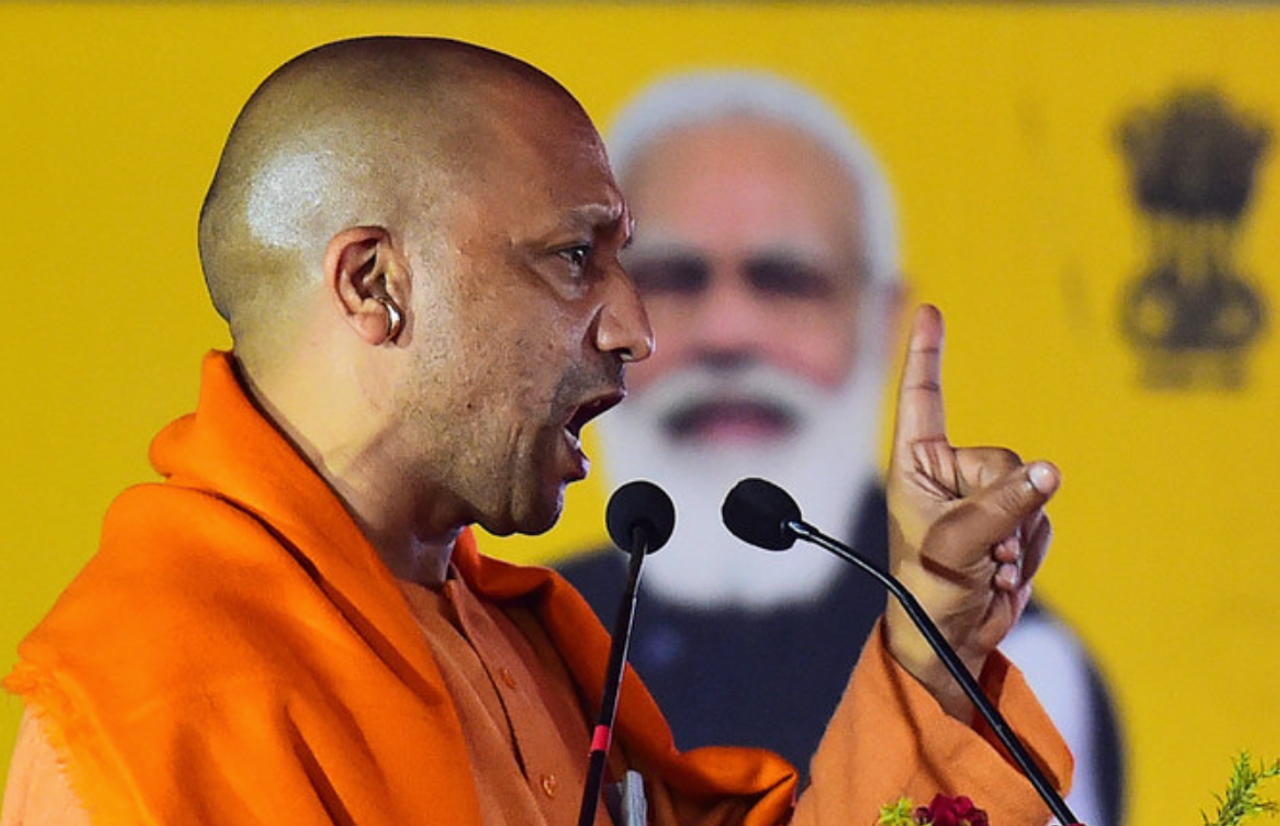
The latest remarks by Hosabale have drawn criticism from the opposition Indian National Congress party, which has claimed that his recent visit to the US had influenced both him and the RSS.
"It appears that the recent US trip of Shri Hosabale, during which one of his colleagues admitted to the PM doing what the US wanted him to do, has impacted him as well as the RSS," Congress leader Jairam Ramesh said on X.
"Just imagine how the bhakt brigade (Modi loyalists) including the various TV channels would have frothed, fumed and fulminated if..," he added.
Congress leader Manish Tewari suggested that US may be nudging India to hold talks with Pakistan.
"So, you want to engage towards what purpose? Is it only because you are being nudged by some hyper power (US) which is today beholden to Pakistan for all the wrong reasons that you need to open a dialogue with them," Tewari said, in an apparent reference to the US.
Hosabale’s remarks come amid reports that India and Pakistan have held at least four discreet back-channel Track 1.5 and Track 2 meetings in London, Muscat, Thailand, and Doha since the conflict in May.
Hosabale has received support from former Indian Army Chief General Manoj Mukund Naravane, who stressed, "The common man has nothing to do with politics. When there is friendship between the two peoples, there will also be friendship between the two nations."
Naravane specifically endorsed Track-2 diplomacy, cultural and sporting exchanges, and broader people-to-people connections between Pakistan and India as ways to break the deadlock.
Pakistan’s international standing has increased following military successes against India last year.
Through proactive foreign policy shifts, strong military leadership, especially Field Marshal Asim Munir, improved ties with the US under President Trump, and — most dramatically — its central role as mediator in the US-Iran war, also involving Israel, Pakistan has gained traction globally.