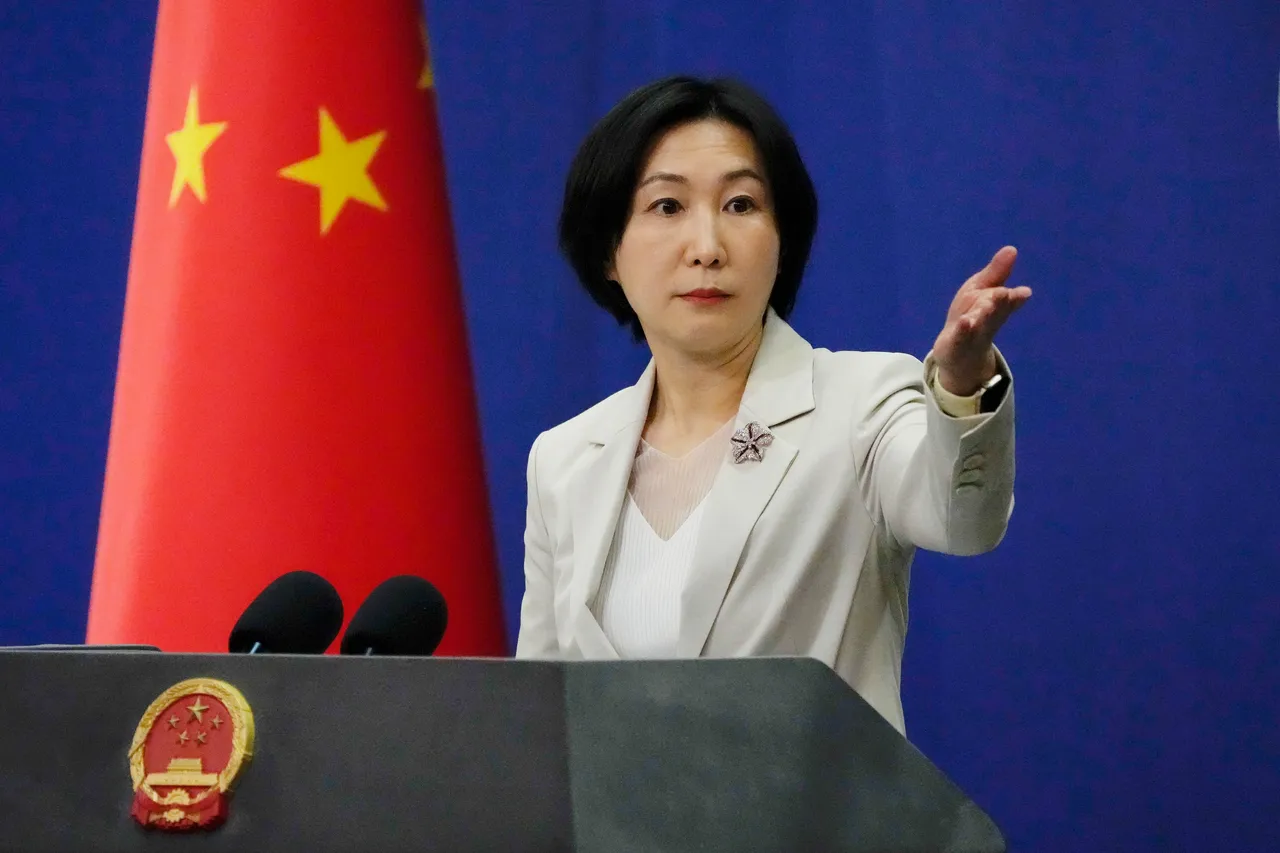
China said on Thursday the “root cause” of disruptions in the Strait of Hormuz is the “illegal” joint US-Israeli military offensive against Iran, urging de-escalation to safeguard global shipping.
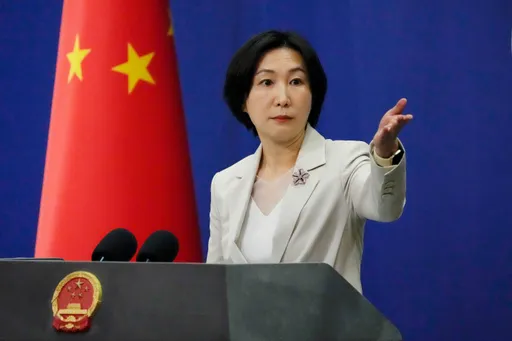
“The root cause for disruption in Strait of Hormuz is illegal US-Israeli military operation against Iran,” Chinese foreign ministry spokesperson Mao Ning told reporters in Beijing.
The remarks came in response to comments by US President Donald Trump, who said a day earlier that the United States imports “almost no oil” through the waterway.
“And the countries of the world that do receive oil through the Hormuz Strait must take care of that passage. They must cherish it. They must grab it and cherish it,” Trump said.
He also suggested countries unable to secure fuel should buy oil from the United States or “build up some delayed courage” and “go to the Strait and just take it.”

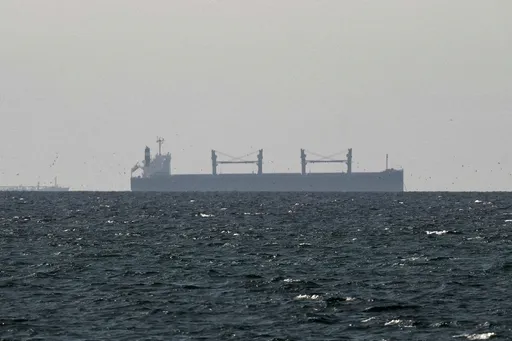
China, which imports much of its energy from the Middle East, said three of its vessels recently passed through the Strait of Hormuz, which has been under effective Iranian control since the US and Israel launched a joint offensive on Iran on February 28, killing more than 1,340 people, including then-Supreme Leader Ali Khamenei.
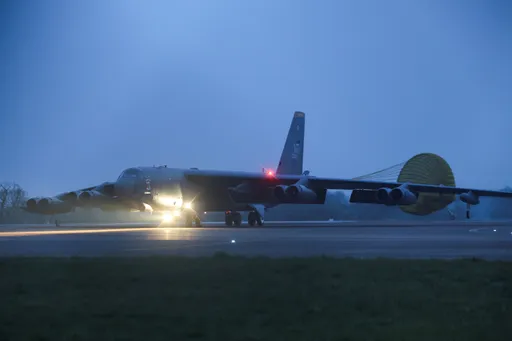
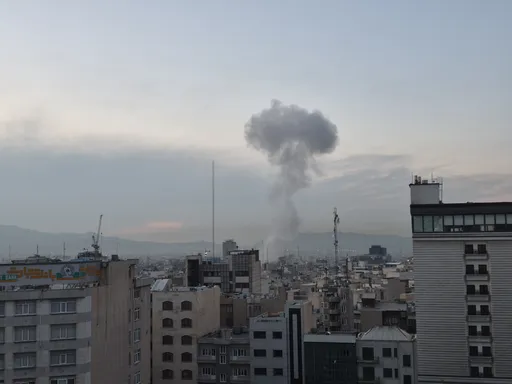
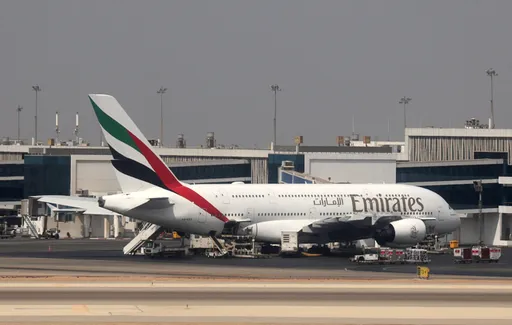
Iran has retaliated with drone and missile strikes targeting Israel, Jordan, Iraq and Gulf countries hosting US military assets, causing casualties and infrastructure damage while disrupting global markets and aviation.
At least 13 US military personnel have been killed during the ongoing armed conflict, with dozens of others wounded.
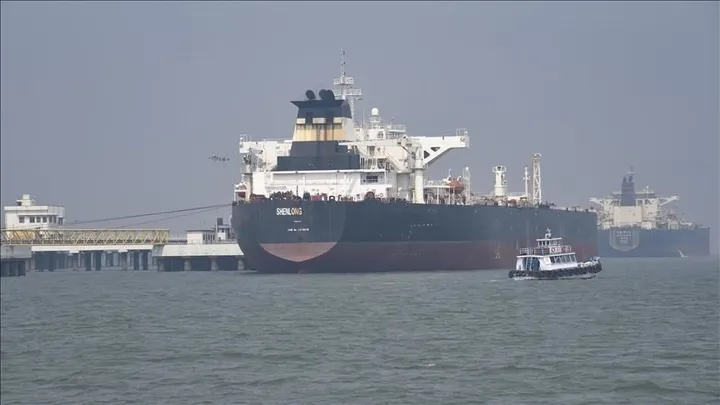


Tehran has maintained effective control of the Strait of Hormuz, a critical waterway for energy supplies to Asian nations, allowing vessels of those nations Iran calls “friendly countries” to pass.
China calls for independent refiners to maintain fuel output
Meanwhile, China's state planner has told independent refiners not to cut run rates below their average levels of the past two years, several sources familiar with the matter said on Thursday, in a bid to safeguard domestic fuel supply.
The move comes as smaller refiners had been expected to cut crude processing rates in April following a sharp rally in oil prices.
The National Development and Reform Commission delivered the message at a meeting with independent refiners this week, the sources said. The NDRC did not immediately respond to a faxed request for comment.
Failure to comply could result in reduced crude import quotas, the sources added.
China regulates oil imports by its independent refiners, known as teapots, under a quota system. The teapots operated at about 55 percent capacity in February and March, according to Energy Aspects.
To pre-empt a potential fuel shortage amid the war in the Middle East, China last month halted refined fuel exports, with the curbs extending into April.