 Sahika Aydinol
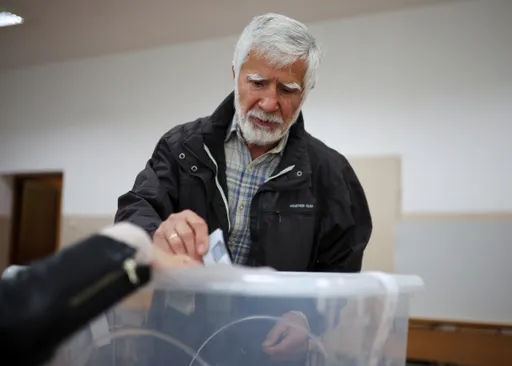
As Israel goes to the polls on Tuesday, more than 550,000 first-time voters will be eligible to vote in the country’s first elections since October 7, 2023.
Together, this bloc can command up to 17 of the 120 seats in Israel's Knesset.
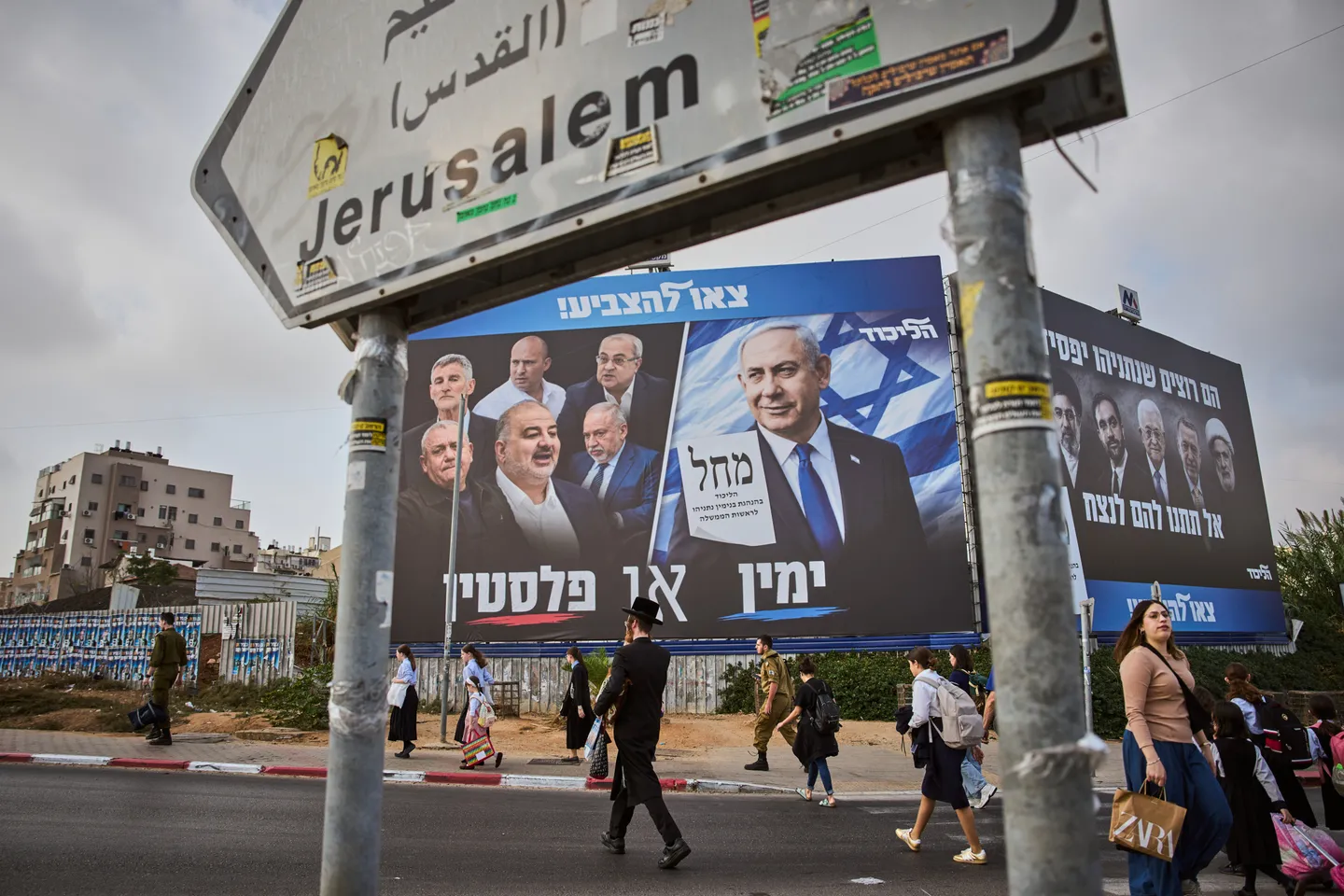
It’s significant enough to fundamentally alter the balance of power in an election in which neither Prime Minister Benjamin Netanyahu’s Likud nor any other party has support for an outright 61-seat majority.
Half a million new votes in Israel might change the captain of the ship but not alter its course: around three-quarters of first-time voters identify as hard-right or centre-right, according to polls.
Dubbed ‘Generation Right,’ Israel’s youth stand in sharp contrast to those participating in sweeping protests across the European continent and parts of Southeast Asia.
Millions of young people worldwide, including in France, Spain, Italy, Albania, Serbia, India, Indonesia, and more, have risen in the past year, aligning themselves with ‘left-wing’ or even ‘hard-left’ ideologies.
Israel’s arguably most progressive party, the Democrats, the only one even entertaining a two-state solution, stands at around 5 percent support among Israeli youth.
The overwhelming majority, more than 60 percent, support Netanyahu’s religious-nationalist coalition.
This features parties led by his hard-right ministers Bezalel Smotrich and Itamar Ben-Gvir, who campaign on illegal settler expansion and capital punishment for Palestinian prisoners.
In fact, if only youth aged 18-22 voted, their hard-right parties could control an unprecedented 29 seats, nearly a fourth of the Knesset, a poll reported by Israeli news outlet Ynet finds.
The same two parties only totalled 14 seats in 2022.
Around 30 percent of Israeli youth express support for opposition parties that emphasise economic stability and the restoration of trust in public institutions, including Yashar and B’Yachad.
While these more centrist parties criticise Netanyahu’s wartime manoeuvres, they are mostly led by army-vetted, conservative politicians who remain hawkish on national security and committed to a Zionist state.
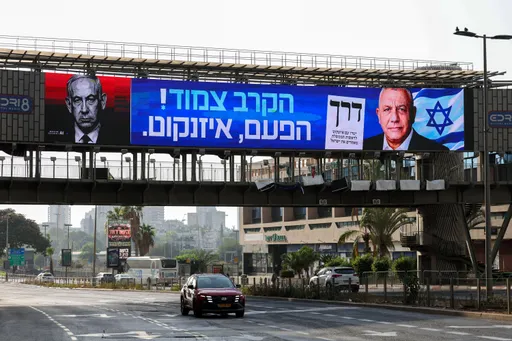
Yashar’s Gadi Eisenkot is a former Israeli army Chief of Staff who resigned from Netanyahu’s war cabinet over strategic disagreements.
B’Yachad’s Naftali Bennett is a former illegal settlement leader who has campaigned harder than Netanyahu for occupied West Bank annexation.
No real-world civic engagement, high screen time
Israel’s right-leaning young voters emerge alongside a conundrum that calls into question the source of their fervent ideology.
The Israel Democracy Institute reports that a staggering 80 percent of surveyed youth say they are likely to cast their first ballot.
Yet around 65 percent also say they have never taken part in any real-life political activism, such as protests or petitions.
These figures reveal a highly opinionated yet practically disengaged group of young voters.
Although young voters may not engage in physical political activity, they remain fully immersed in the fear-driven, hyper-saturated digital climate following October 7.
The Israel Democracy Institute survey notes that social media platforms, combined with WhatsApp and Telegram channels, are the dominant source of political information for Jewish youth.
Importantly, though, most participants say they do not actively seek political content online, suggesting they are passively and routinely exposed to algorithmically driven political framing.
The Israeli hard-right has exploited this passive intake model through propagating military aesthetics online and algorithmic campaigning.
IDI’s Democracy in the Digital Age program director Tehilla Shwartz Altshuler calls Israeli political parties ‘data factories.’



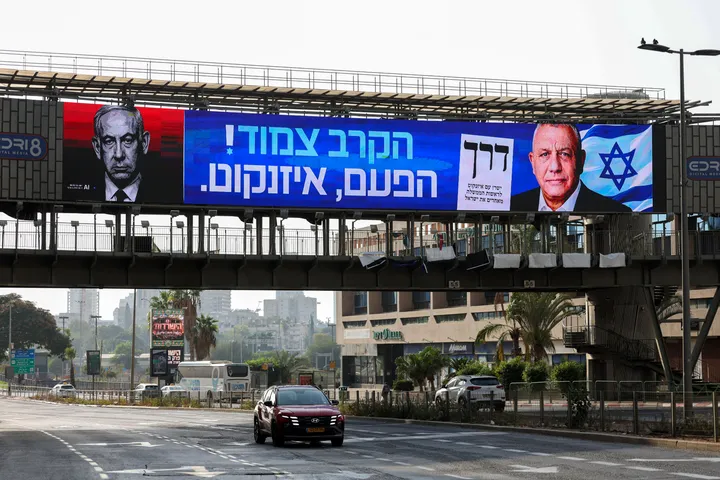




They go beyond tracking basic demographic data like age or location, and instead use AI-assisted software that parses search histories and social media engagement.
Altshuler warns that political parties can build ‘opaque inference systems’ about voters' identities or vulnerabilities.
They can do this by creating sensationalist content tailored to provoke shock, anxiety, rage, and, most importantly, clicks from segmented voters, which the algorithm rewards. And they have…
Political Parties or ‘Data Factories’?
In August, Otzma Yehudit party head Ben-Gvir published an AI-generated video showcasing Palestinian prisoners on an industrial processing line.
This video, posted on X, depicted Palestinians in brown uniforms, visibly craving food, marching on a conveyor belt being transported to a fenced compound.
It garnered more than 4 million views before being forcibly removed from Ben-Gvir’s account.
It has been widely documented, though, and continues to circulate online, generating hundreds of thousands of additional impressions.
It’s by far the first time Ben-Gvir has utilised AI in his online campaigns, which regularly record some of the highest engagement figures of any politician in Israel. There may be room for doubt, though.
The Israeli watchdog FakeReporter has flagged Ben-Gvir's TikTok account for ‘coordinated inauthentic behaviour’.
The organisation uncovered more than a hundred fake accounts using AI-generated profile images to artificially boost engagement with Ben-Gvir’s content.
TikTok itself conducted a major crackdown on the platform ahead of Israel’s elections, permanently banning 306 more bots pushing partisan ideology in the country.
TikTok also removed nearly 1,500 accounts for impersonating political candidates or elected officials; most ran smear campaigns or deepfakes using generative AI.
In fact, a study by the Open University of Israel found that 76 percent of all AI political content in the country consists of video, a high-stimulation format that social media algorithms favour to maximise watch time.
TikTok has scrubbed 45,000 videos posted in Israel due to misinformation or violations of election integrity and hate speech laws.
This aligns with research from Ashkelon Academic College that ‘emotionally charged and unfiltered content’ on social media can exacerbate distress during a crisis.
A 2025 study by the college examined Israeli citizens’ digital media use during the ongoing Israeli genocidal war on Gaza.
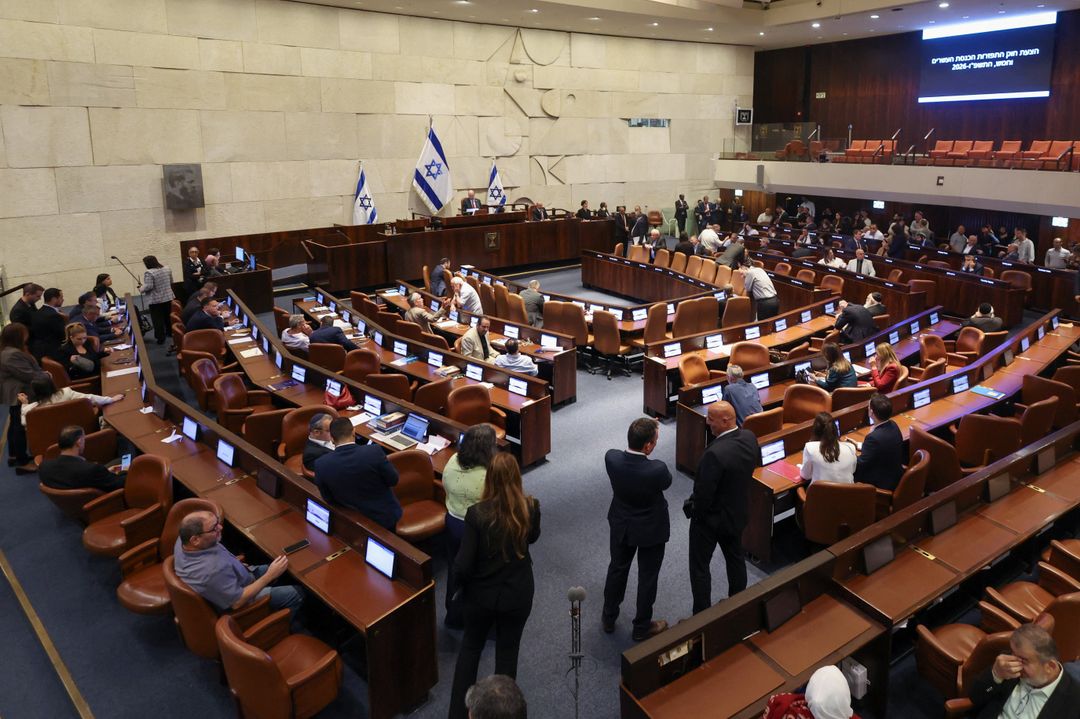
It concluded that reliance on social media for news purposes was correlated with increased anxiety and lower perceptions of national resilience among Israelis.
As citizens consume algorithmically boosted, war-related content, their sense of security begins to deteriorate.
So it's less surprising, but perhaps even more alarming, that polls estimate a third of support for Ben-Gvir’s Otzma Yehudit comes from voters under 23.
More than a decade of youth growing up under Netanyahu’s government might have fundamentally shifted Israeli society to the right.
Or Netanyahu might have brought these ideologies into the mainstream through opportunistic coalitions with hard-right and ultra-Orthodox parties.
Regardless, as young Israelis spend their formative years consuming algorithmically boosted triggers of existential fear, this trend will pay political dividends long after the current government.