 Baba Umar
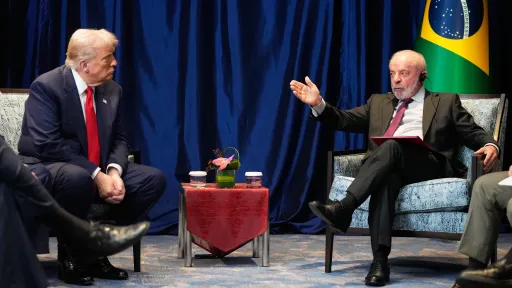
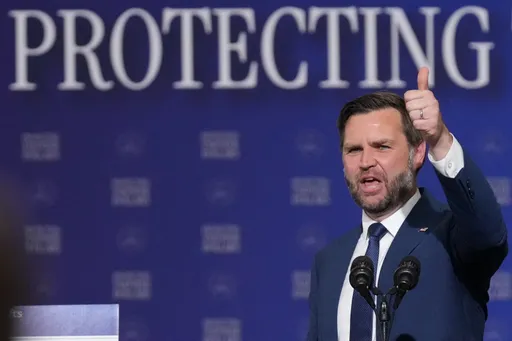
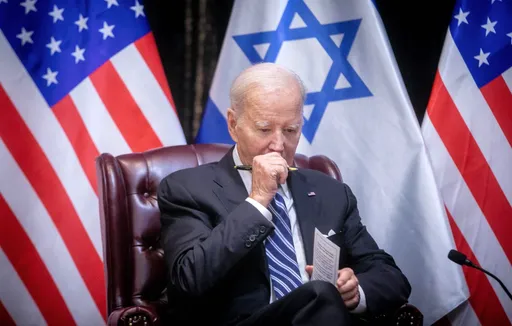
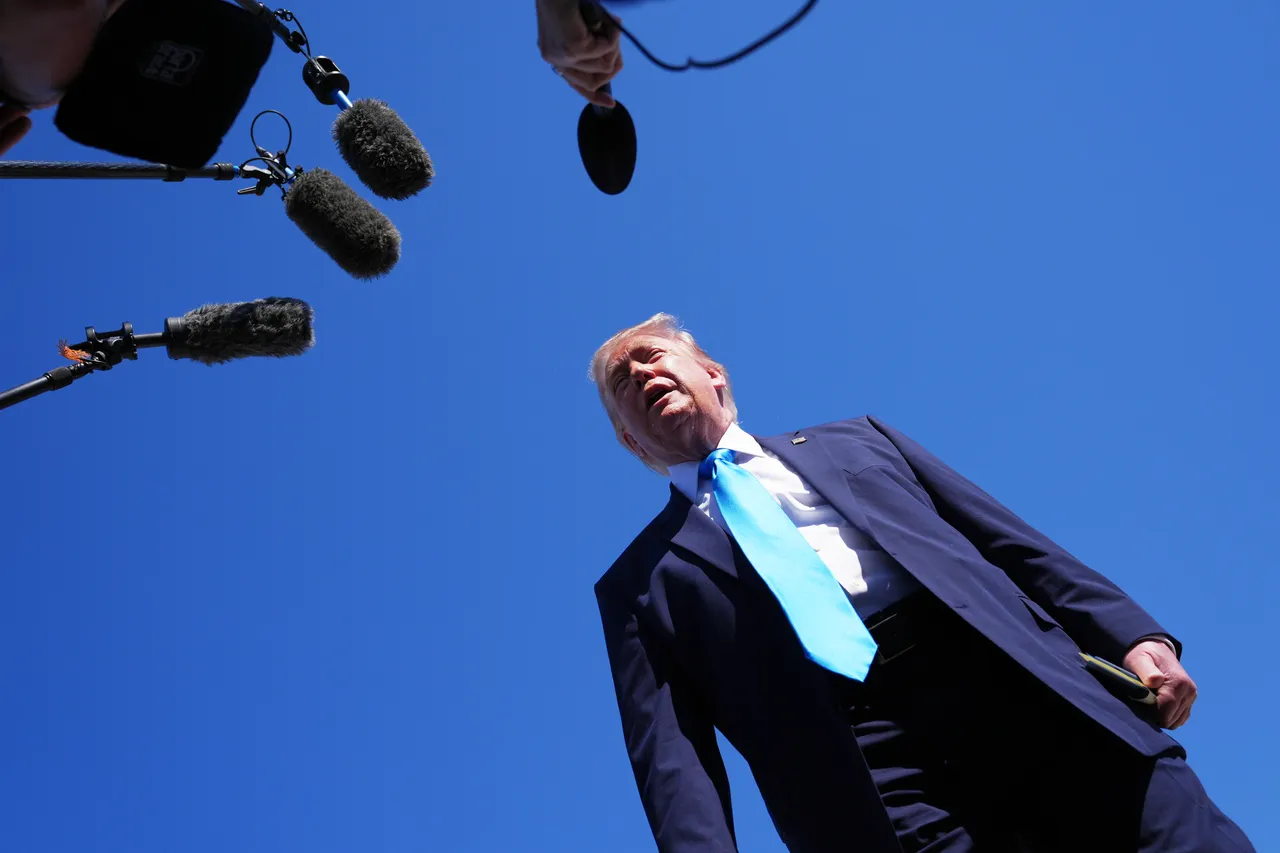
Washington DC — President Donald Trump has told reporters that the United States' military campaign against Iran is proceeding successfully without causing the mass casualties seen in lengthy American wars in Korea, Afghanistan and elsewhere.
Asked if it had taken longer than he had expected to reach a deal with Iran, President Trump said during a brief press gaggle on Wednesday that US war against Iran was working well.
"You were in Vietnam 19 years, you were in Afghanistan, and these other places 10 years. You were in Iraq, how long were you in Iraq? 12 years. You were in Korea for seven years, World War 2 is different. That was four years. I'm for three months, and much of it's been ceasefire," he told reporters.
"We lost hundreds of 1000s of soldiers in these various wars, in two wars, Venezuela, where we lost nobody, and here (in Iran war) we lost 13 people, now 13 people is too much… You lost hundreds of thousands of people, so people don't like it when you say, 'Oh, do you know you've lost 13? We lost in two major wars. We took over Venezuela. We essentially took over Iran, and we've lost so far 13 people. Somebody else would have lost 100,000 people, but I get a kick when I look at somebody on television. 'He's lost 13 people'."
Trump said Iran is decimated, "and you're going to see things that are amazing."
Trump says Netanyahu mistreated in Israel
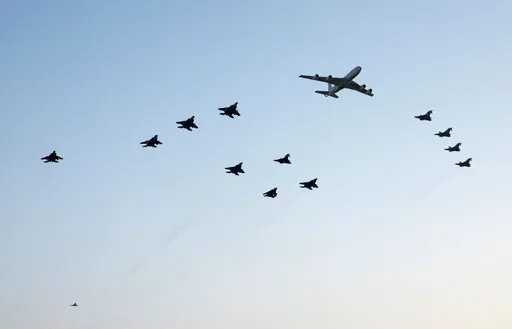
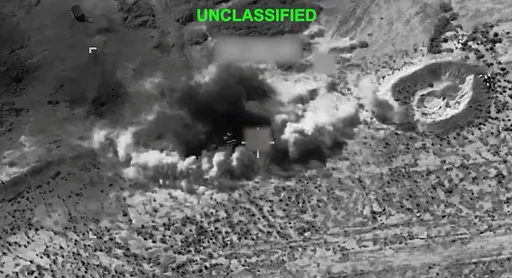
US joined Israel in attacking Iran on February 28, with strikes quickly killing the longtime supreme leader, Ali Khamenei, and much of the other top brass, as well as civilians.
But Tehran quickly hit back by exerting control over the Strait of Hormuz, the narrow passageway through which one-fifth of global oil once sailed, and it has rained missiles and drones on US-allied Gulf Arab monarchies, shattering the oil-rich countries' hard-earned reputation for stability.
Trump’s early comments framed the military operation as a limited, high-intensity campaign that he expected to wrap up quickly.
He and his administration members repeatedly said in the first couple of weeks that the US and Israel were "ahead of schedule" and inflicting far more damage than planned.
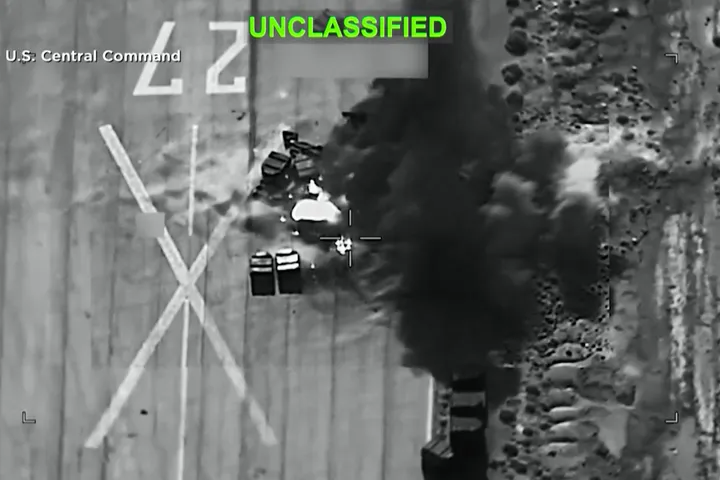
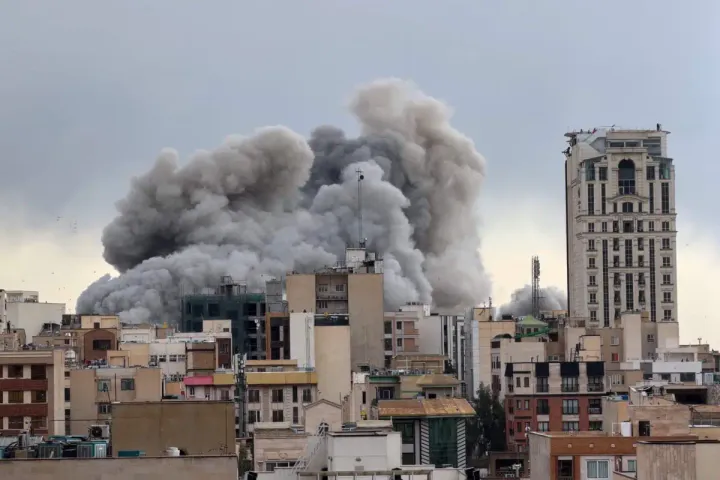
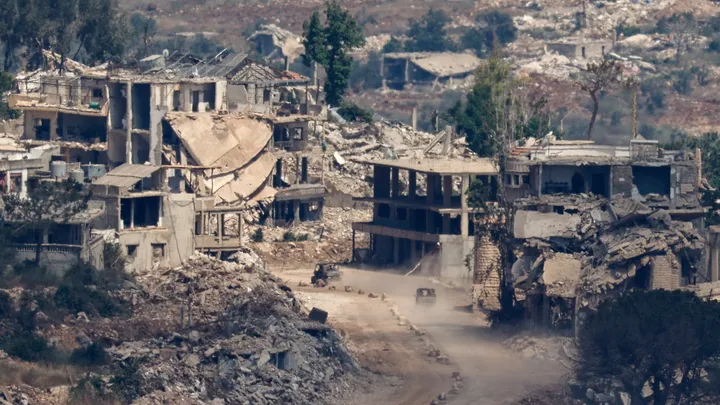
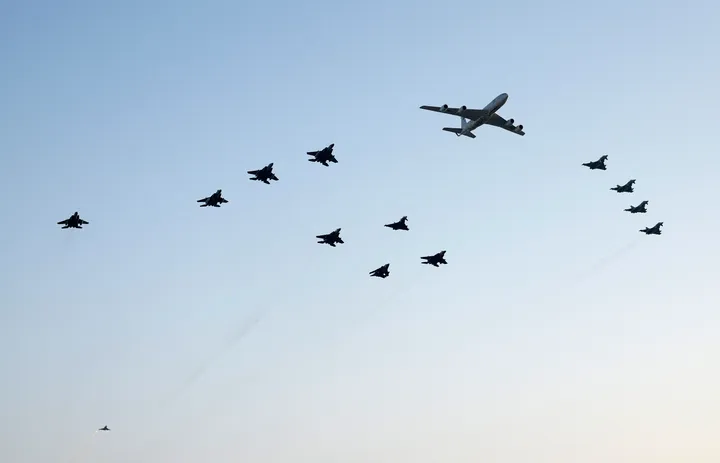



The war did not end in four or five weeks.
A Pakistan-mediated ceasefire was announced around April 7, which Trump later extended indefinitely, though sporadic strikes and tensions continued into this month.
As the US and Iran appear reluctant to resume direct conflict, a war of words has ensued.
Trump has repeatedly threatened Tehran with resumption of war, while Iran has warned of devastating consequences should US and Israel relaunch their attacks.
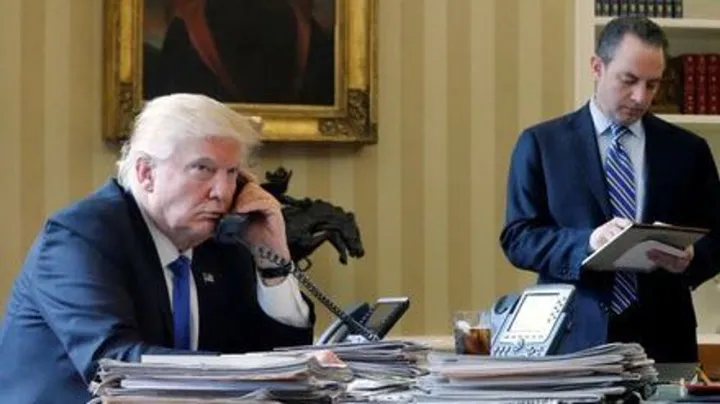
When asked if he discussed with Israeli Prime Minister Benjamin Netanyahu how long to hold off on striking Iran again, Trump said Netanyahu will do "whatever I want him to do."
"He's (Netanyahu) a great guy. Don't forget, he was a wartime prime minister, and he's not treated right in Israel, in my opinion. I'm right now at 99 percent in Israel, I could run for prime minister. So, maybe after I do this, I'll go to Israel, run for prime minister."
Trump and Netanyahu held a lengthy phone call overnight, their second contact in days, Israeli media reported on Wednesday without providing details.
On Sunday as well, Netanyahu and Trump spoke in a call that focused on "the possibility of renewing fighting in Iran," according to Israeli media.
Meanwhile, Iranian Parliament Speaker and chief negotiator, Mohammad Bagher Ghalibaf, claimed the US was seeking to restart the war.
"The enemy's movements, both overt and clandestine, show that despite economic and political pressure, it has not abandoned its military objectives and is seeking to start a new war," Ghalibaf said in an audio message on his official website on Wednesday.