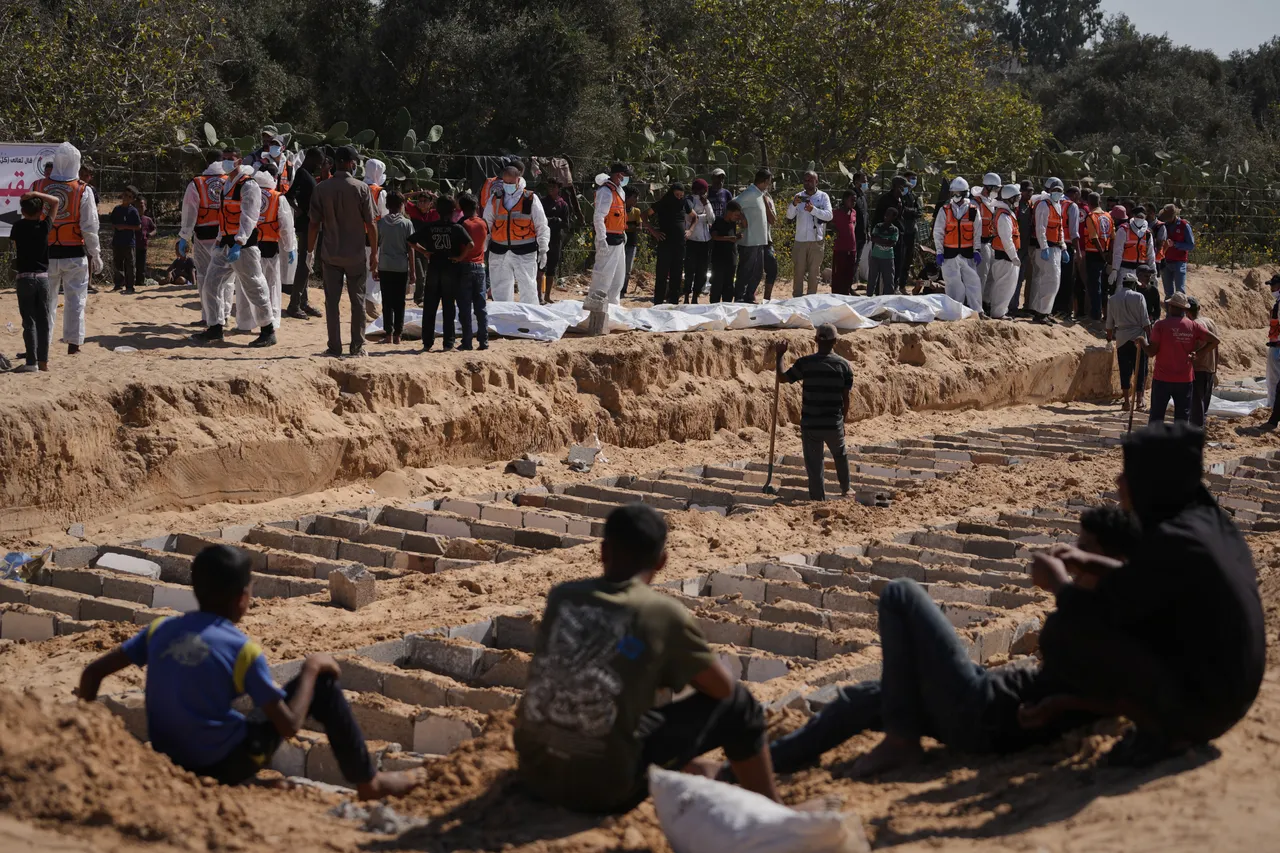
In Gaza, some mothers still set an extra place at the table because they cannot bring themselves to accept that their children are gone, while others visit mass graves unsure whether the bodies they are searching for are even there.
The brutal Israeli offensive on Gaza has not only killed more than 72,700 Palestinians, but also left countless families trapped in suspended grief, with no bodies to bury, no graves to visit, and no chance to say goodbye.
Amid pulverised buildings, mass graves, and bodies reduced to unidentifiable fragments, hundreds remain missing as their loved ones live suspended between hope and the certainty of loss.
These are the stories of Sabreen Baraka, Areej Saleh, and Mohammad Kamal — three people from Khan Younis united by the same pain: not knowing where their loved ones are and never having had the chance to say goodbye.
‘Until I bury my son, he is still alive’
When Sabreen Baraka, a 49-year-old Palestinian mother, speaks of her missing son, she doesn't use the past tense. She speaks of Ihab as if he could still walk through the door at any moment.
“Ihab is a part of me, a part of my heart. I have lost a part of my heart,” she says.
More than two years have passed since she last heard from him, but for her, time stopped on October 14, 2023 — the day Ihab disappeared during an Israeli air strike in Khan Younis’ so-called “yellow line,” one of the most devastated areas in southern Gaza.
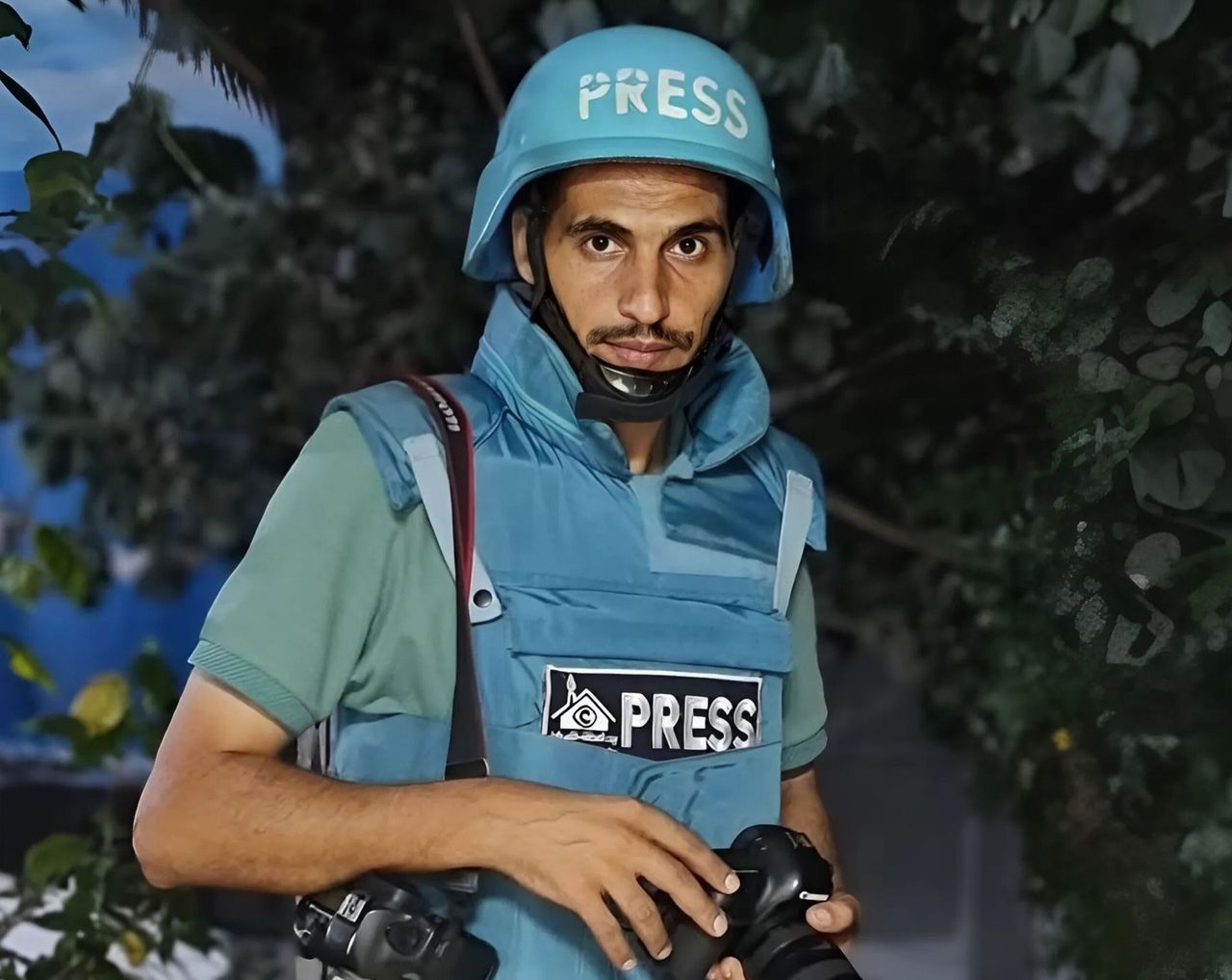
Since then, there has been no body, no funeral, no grave. Only questions that repeat themselves over and over inside her head.
“What about Ihab? Where is my son? Where is his body? Who found him? Who buried him?”
His family began a desperate search through hospitals and medical centres where remains recovered from bombed areas were being taken, but there was nothing they could identify — only bones, skulls, and mutilated body parts.
“Even if one of those bodies had been Ihab, how could I recognise him?” Sabreen asks.
The experience also ended up destroying her husband's health, who suffered a collapse after weeks of facing those scenes.
But Sabreen could never accept what everyone was beginning to assume: that Ihab was probably dead.
“My mind refuses to accept that Ihab was martyred. As long as I haven’t buried my son, he is still present and alive,” she says.
It was not until a temporary truce in November, a month after his disappearance, that the family was able to return to the place where Ihab was last seen.
They searched through shattered streets and buildings reduced to rubble, but found nothing — the area had been completely razed by Israeli military machinery.
Two months later, in December 2023, another of Sabreen’s sons, Mohammed, was killed in an Israeli attack. But this time was different: they were able to recover his body, say goodbye, and bury him.
“That gesture — seeing the body, praying over it, knowing where he rests — made all the difference in how we carried the pain.”
“When I go to Mohammed’s grave, I feel peace,” Sabreen says.
“I feel like I’m sitting with him. But Ihab doesn’t have a grave. I’m always lost, always looking for him.”
The absence of a body freezes the grieving process and prolongs the pain, she says.
Like the Baraka family—whose surname means “blessing” in Arabic—thousands of families in Gaza live trapped in the agony of not knowing where their loved ones are, not knowing if they are alive or dead.
“I long to be reunited with my children one day,” Sabreen says. “Whether it’s on this earth or in heaven.”
‘How do you say goodbye?’
In early December 2023, Mohammed Saleh disappeared. He was 29 years old, the father of two young children, and married to a 22-year-old woman.
By then, the family had already been displaced multiple times by Israeli bombardment in Khan Younis, forced to flee their home along with thousands escaping attacks across eastern Gaza.
Areej, his sister, says that on the day he disappeared, Mohammed had gone out to look for bread and milk for displaced families near Bani Suheila.
It had only been days since a brief truce collapsed and Israel intensified its genocidal offensive on southern Gaza.
Mohammed never came back. Then the phone calls started.
“Where is Mohammed?”
At first, the family believed he might have taken shelter elsewhere or lost contact amid the chaos. They searched for him among relatives, friends, and hospitals.
Soon after, reports began emerging of a bombing near the area where he was last seen, but the family refused to believe he was dead. For days, they clung to the hope that he had been detained or was still alive.
“We never expected him to be added to the death toll,” Areej explains.
“He had been with us just a few hours before. How could we have imagined that in a single instant he had disappeared forever?”
The search was interrupted when Israeli tanks entered Khan Younis and the shelling intensified, forcing the family to flee once again.
For months, they searched detainee and missing persons lists, until they finally confirmed that Mohammed was not being held in any Israeli prison.
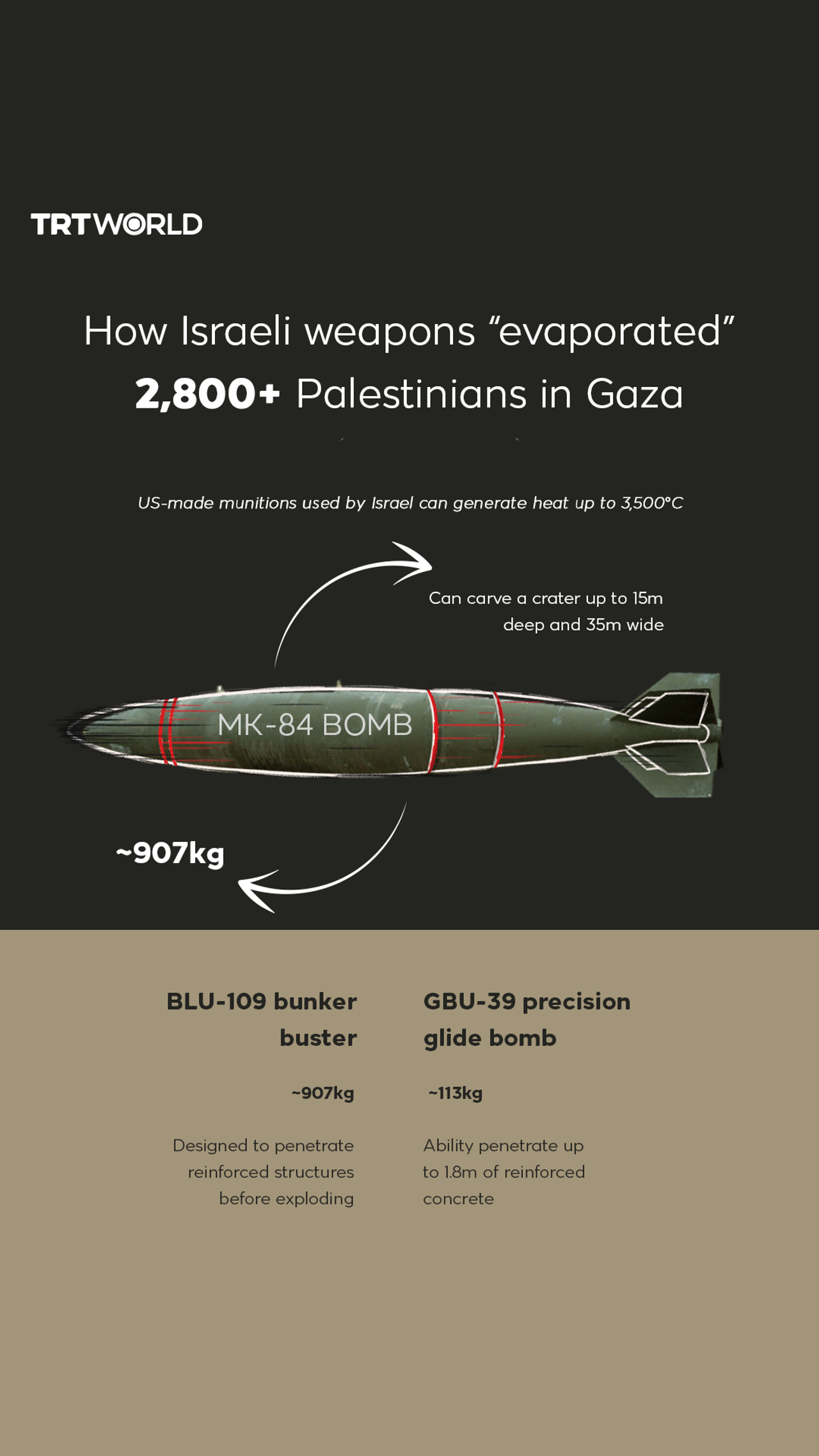
“How can you say goodbye to someone who is absent?” he asks.
Later, they were informed that he had been buried alongside other unidentified bodies in a mass grave. However, during a raid on Nasser Hospital, the family lost the exact location of the grave.
Now, Mohammed's mother visits a mass grave without knowing if her son's body is actually there. "We don't know which of the bodies is his," Areej says. "We only know that he's probably among them."

And this has completely shaped the family's grieving process.
“Every morning I feel pain because I don’t see him in front of me,” she says. “In my memory he’s still alive; I see him in every detail. If I had seen his remains, things would be different. Not entirely, but I could have accepted his passing.”
The young children Mohammed left behind continue to ask about him. At family gatherings, his absence is constantly felt: during Ramadan, at Friday meals, and at celebrations where his chair remains empty.
“His children call their uncles and grandfather 'Baba',” Areej recounts. “It’s a story of pain that we live with every day.”
‘All I want is to bury my brother’
Mohammad Kamal was 25 years old when he lost his brother Omar in September 2025.
Since then, he has lived trapped between anger, helplessness and a question that keeps haunting him: where is his body.
Omar was 20 years old. According to his brother, he was a vibrant young man, passionate about fashion, food, and business.
“He was my friend, my beloved,” says Mohammad. “He had charisma, a special presence. He left his mark everywhere he went.”
Like so many other Palestinians during the Israeli offensive on Gaza, Omar disappeared in the so-called "yellow zone," areas subjected to intense attacks where many bodies were trapped under rubble or could never be recovered. Since then, his family has been unable to find him.
“They always say the hardest moment is saying goodbye,” he explains. “But I think the hardest moment is a loss without saying goodbye,” Mohammad explains.
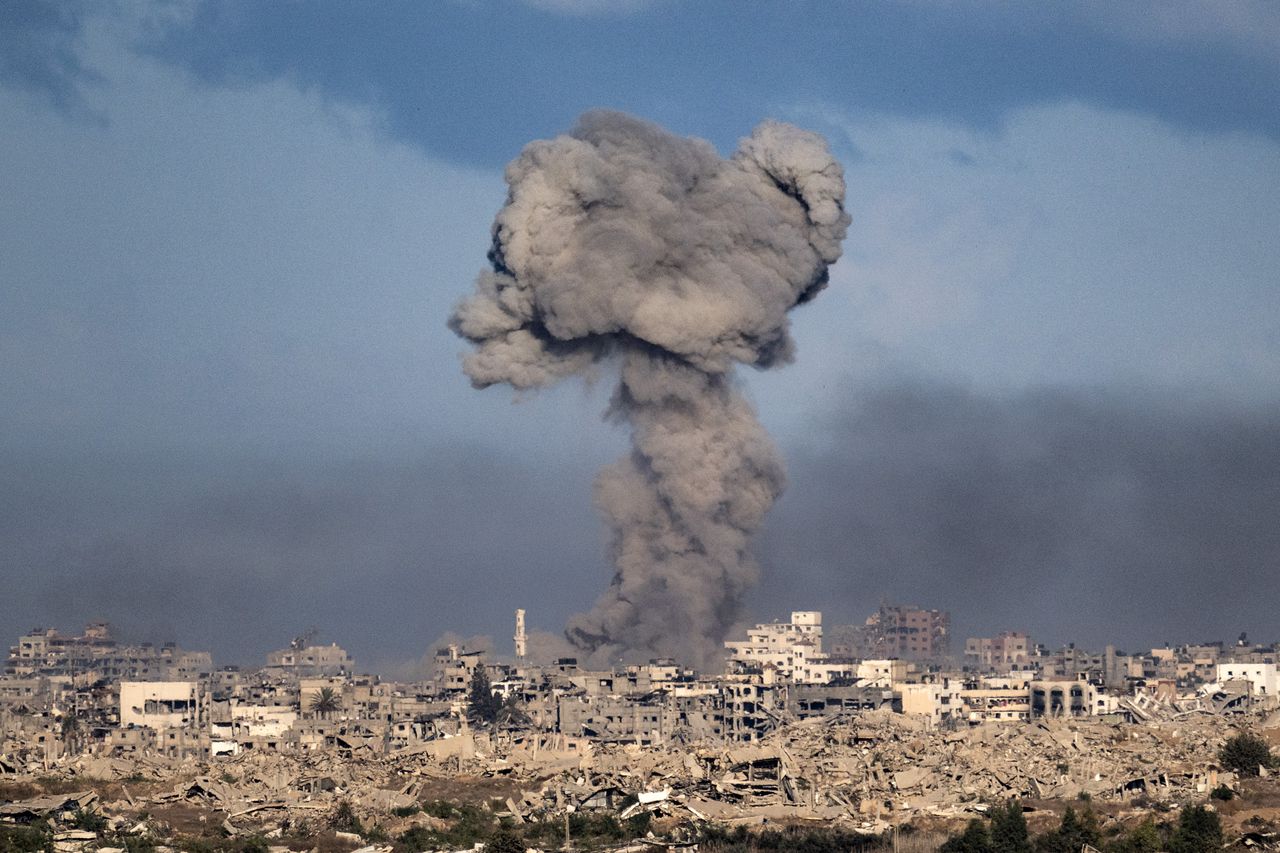
Even now, months after his disappearance, he still hasn’t processed what happened because he was never able to see his brother’s body.
And then the search began: hospitals, lists of missing persons, and centres where human remains recovered from bombed areas arrive.
But what they found weren't bodies, they were bones, skulls, and mutilated remains impossible to identify.
“When people ask me if we've found my brother, I get so angry and my heart breaks,” he explains.
“There are no bodies to search among. Only bones.”
Given the area where Omar disappeared, he adds, "it is already known what the fate of the bodies is: either captivity, or being devoured by dogs".
“The feeling of Omar’s martyrdom is unforgettable. It’s like a knife to the heart.”
And without a body, there is no tomb either.
“It’s the simplest thing we ask for,” he says. “If there were a grave, I could start to accept it. I would go talk to Omar, cry over it, and feel relief knowing he has a place.”
The absence of that physical place haunts Mohammad even at other people's funerals. When he sees other families saying goodbye to their dead, he feels an unbearable mix of grief and envy.
“I wish it were Omar they were taking,” he admits. “I wish I could see him wrapped in a shroud and pray over him.”
Over time, he even began attending the funerals of other martyrs, seeking some kind of connection with her brother. “I started saying goodbye to other martyrs to ask them to give my regards to Omar.”
But the pain, he says, doesn't lessen. “The sadness and suffering only increase. I want my brother's body back.”
It is a request that the mother of both young men constantly repeats, as simple as it is devastating: she wants to bury her son.
“When I see my mother crying and saying, ‘I want to bury your brother,’ I feel helpless,” Mohammad says. “I try to be strong for her, but inside there’s a voice that says, ‘You can’t bear it either.’”
“All I want now,” he says, “is to find my brother’s body and bury him.”
A suspended duel
The stories of Sabreen, Areej, and Mohammad are bound by the same wound: never having the chance to say goodbye.
“The occupation uses these tactics deliberately, to ensure that the pain and oppression reach the heart,” Mohammad says.
Behind every missing person is a life cut short, a family broken, and someone still waiting.
“All our martyrs are heroes of Palestine,” Sabreen says. “I don’t want Ihab to be just a number; I want his name to be remembered.”
They also share a deep sense of hopelessness.
As Sabreen says, more than two and a half years into Israel’s genocidal offensive, the world continues to watch while the cruelty goes on.
“The world is asleep and doesn’t want to wake up,” she concludes.
Mohammad feels that outside of Gaza, no one truly understands the suffering of those who continue searching for their missing loved ones.
“There is not only blindness,” he says, “there is no humanity.”
Areej agrees: “I don’t think the world truly feels our pain. If it did, the offensive would have stopped in the first week.”
And once again, he returns to the same simple and desperate plea: “We love all the people of the world. So love us as we love you. Look at what the occupation is doing. Stop them now so that the Palestinian bloodshed ends”.
This article was first published on TRT Español.