Iran's central bank governor Abdolnaser Hemmati has pushed back against claims that Tehran is required to spend newly released funds on US exports, while signalling that American agricultural products could still be purchased if they are competitively priced.
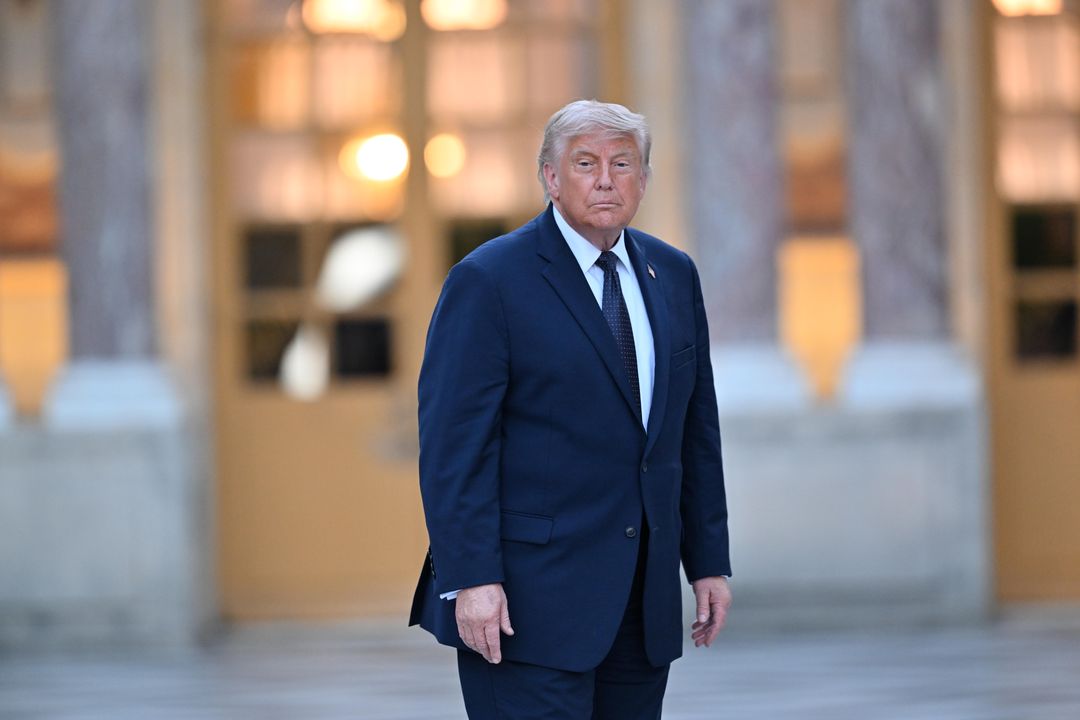
In a video message on Tuesday, Hemmati disputed comments by US President Donald Trump, who said funds released under a recent agreement with Iran would be used exclusively to purchase food and medical supplies from the United States.
“There is no such requirement in the memoranda that were signed during the negotiations,” Hemmati said. “There is no obligation to buy from the United States.”
Tehran sees flexibility in spending
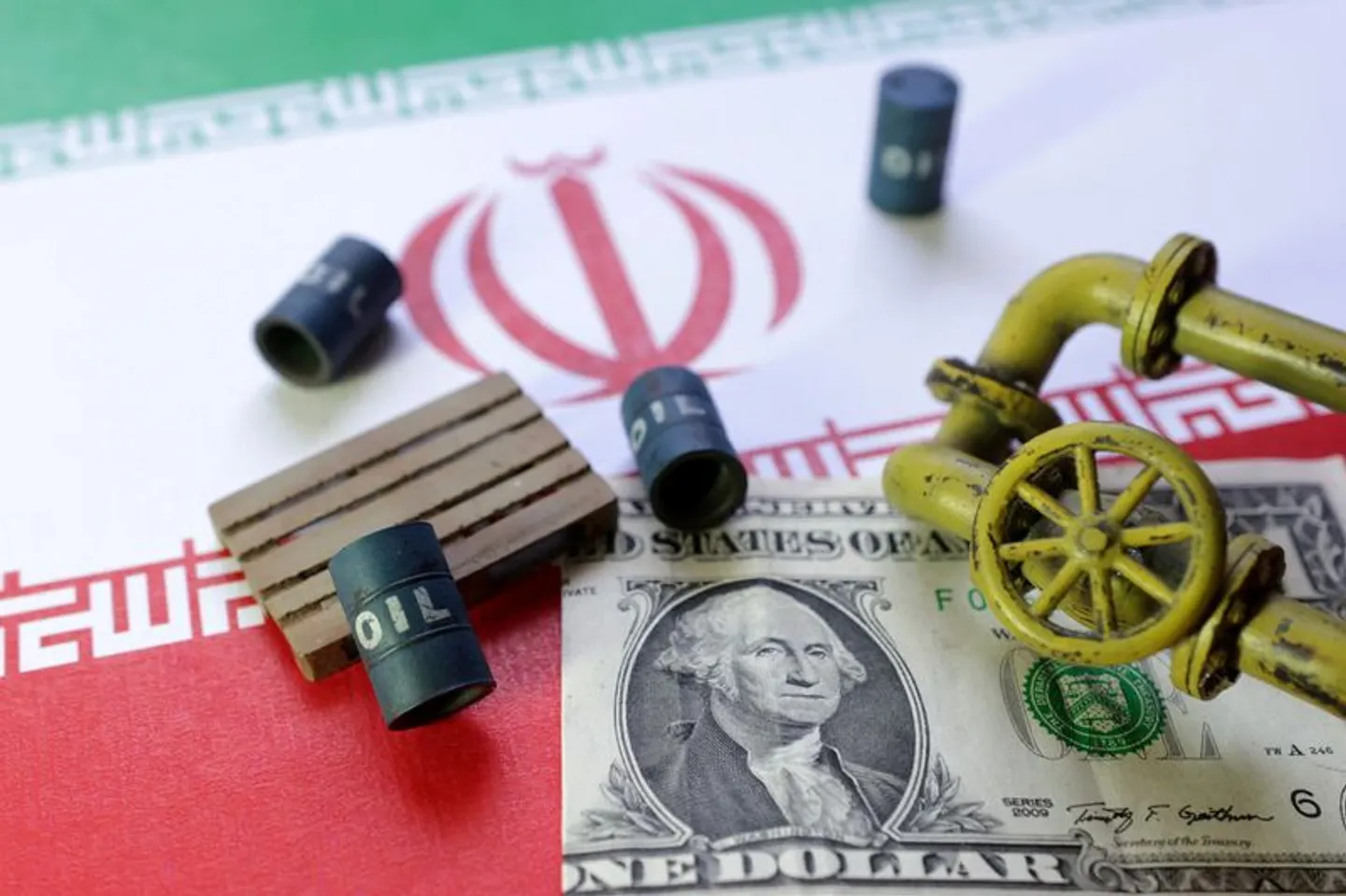
Hemmati confirmed that the initial $12 billion in released funds is designated for imports of essential goods and medicine, but argued that this arrangement would effectively free up Iran’s own resources for other uses.
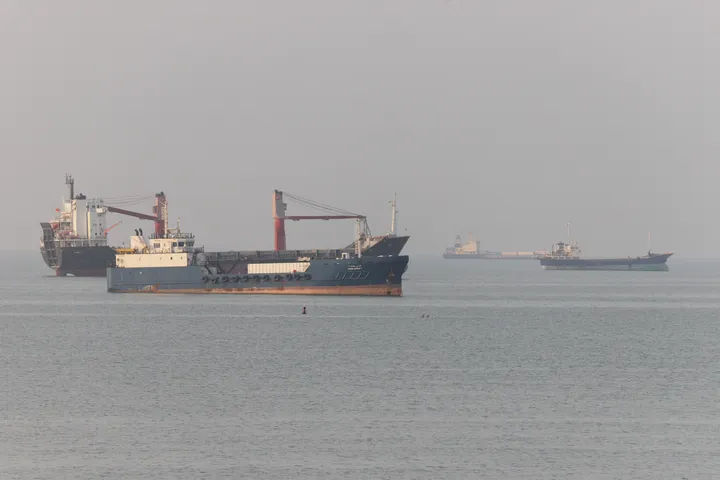
He said Tehran routinely spends between $10 billion and $15 billion annually on essential imports and sees no issue with purchasing US products such as corn, wheat and soybeans if they meet pricing and quality requirements.


“If these released funds are used for those imports, then the resources we would otherwise have allocated ourselves can instead be used elsewhere or saved as reserves,” he said.
Oil exports and sanctions relief
The central bank chief also outlined Iran’s understanding of sanctions relief provisions linked to the agreement with Washington.
According to Hemmati, Iran expects to be able to export oil and petrochemical products during the 60-day negotiation period without sanctions-related restrictions on shipping, ports or financial transactions.
The comments highlight differing public interpretations of the agreement by Washington and Tehran, even as both sides move forward with measures intended to reduce tensions and facilitate limited economic activity.