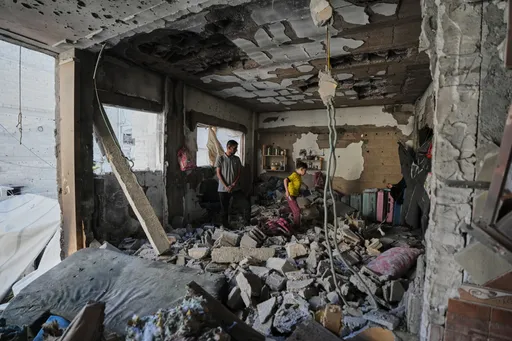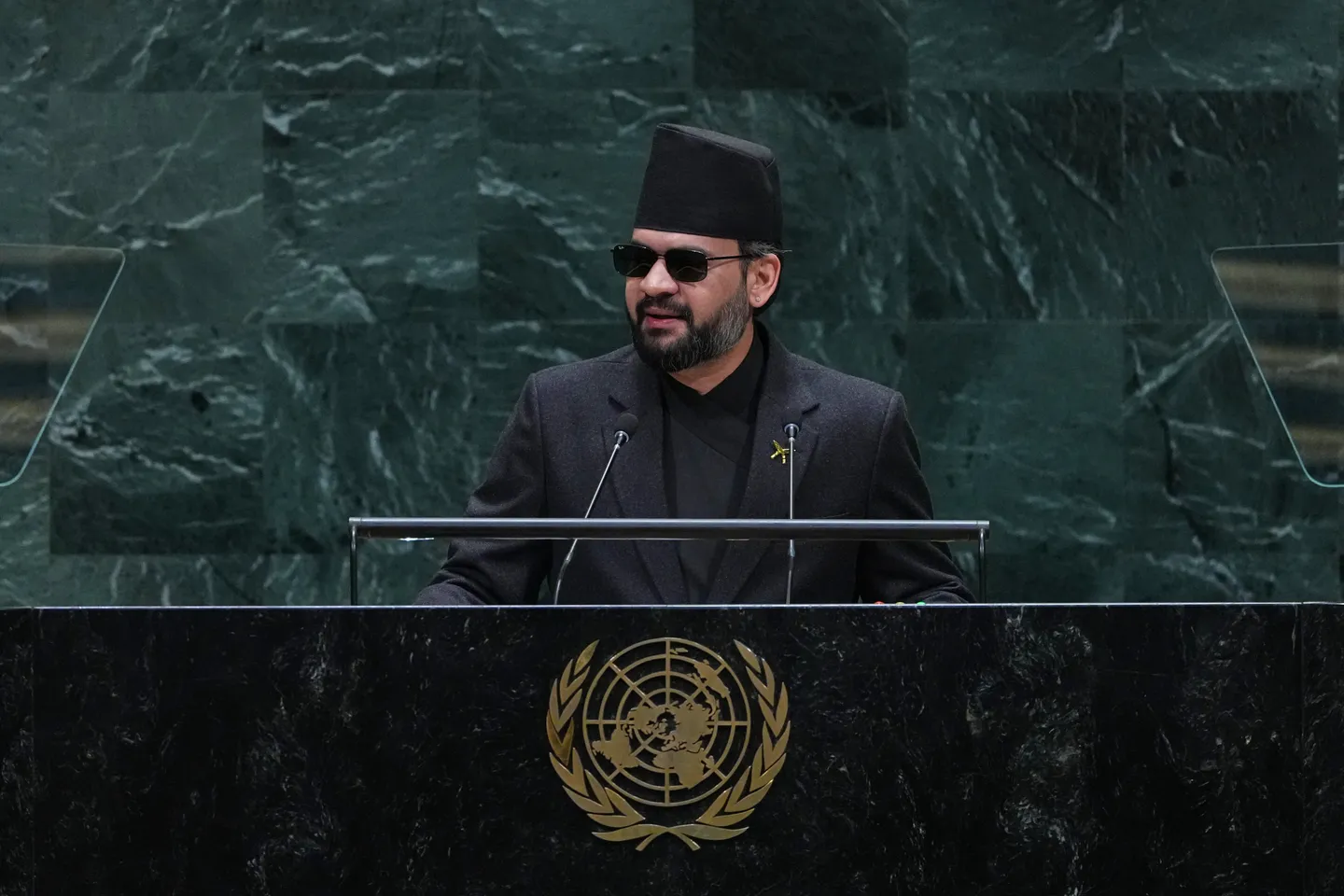
Nepal's prime minister scolded fellow world leaders on Thursday, saying the nation's recent deadly flood reminds a warming world that climate crisis keeps hurting people who now need help.
The August disaster “was not just a local tragedy. It was a warning to the world. And I ask you today: Have you really heard that warning?” Nepali Prime Minister Balendra Shah said at the UN General Assembly on Thursday night.
“Nearly three years ago, standing in the shadow of our Mount Everest, the secretary-general of the United Nations warned about humanity about the madness and impending climate disaster.”
“That cry from the rooftop of the world was not heard enough,” Shah said. “We in Nepal heard it. Our communities heard it. Scientists around the world heard it. They repeated it with evidence. But we, the political leaders, have been negligent in translating those warnings into action at the speed and scale that the vulnerable people require.”
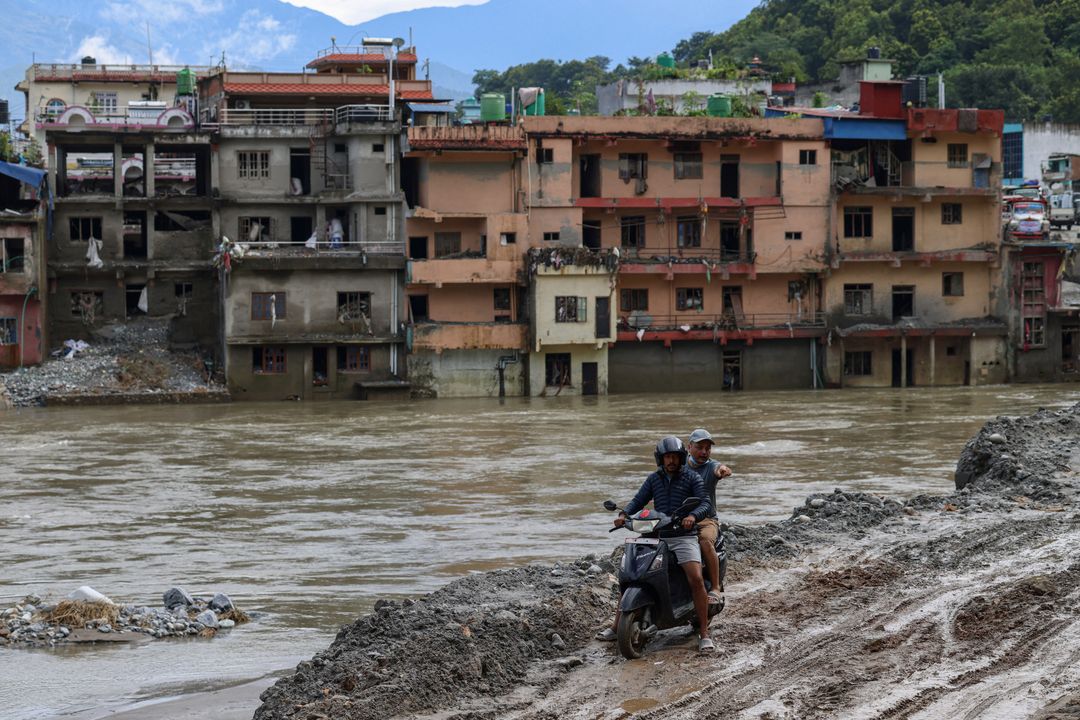
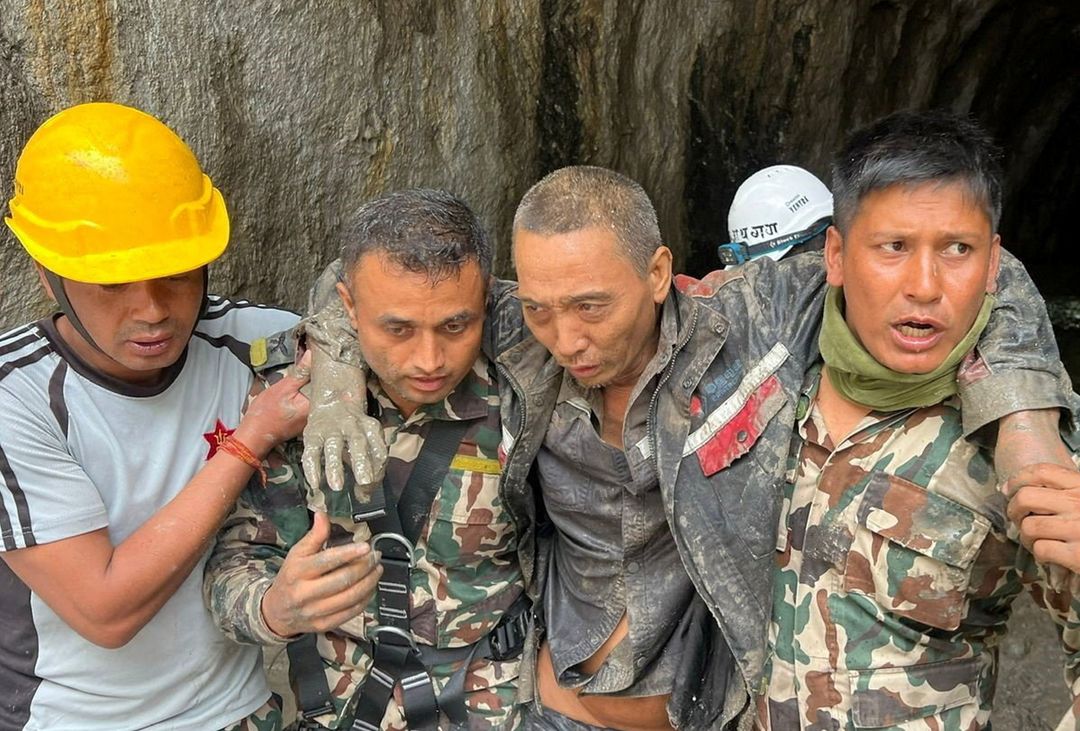
International scientists have connected melting permafrost from climate to the instability of the glacier, which partly collapsed and triggered a massive flood that has killed at least 1,400 people with even more still missing.
In a black Dhaka topi, a traditional brimless Nepali hat, Shah spoke while wearing his signature dark sunglasses, which he uses for medical reasons. He said “the tragic consequences of a warming climate” tell the world that “climate change does not recognise borders. Glaciers and floods do not travel with stamps and passports.”
Subeksha Khadka, a humanitarian and former Miss Nepal International, in an online interview, praised Shah's speech and echoed the warning: "This time Nepal has been on the target, but it could be anyone. This is our story right now, and it can be anybody else’s tomorrow. So it’s time to act.”

Shah didn't ask for a specific amount in aid, but he called the international financial aid system inadequate and too bureaucratic. This included a loss and damage fund agreed upon a few years ago for poor nations hit by climate disasters not of their own making.
“Climate finance must not become another bureaucratic maze through which vulnerable countries spend years” manoeuvring when they need help. “When the house is burning, we do not ask a family to complete 50 forms. We act. This is what climate justice means.”
He exhorted the General Assembly to act on relief, rehabilitation, reconstruction — which are traditional international help concepts — but also “responsibility, reparation, resilience.”
He says it's ‘not an isolated disaster’
The US this week announced $31 million in aid to Nepal for flood recovery, which bring America's total financial help up to $36 million. It's less than 1 percent of what they need.
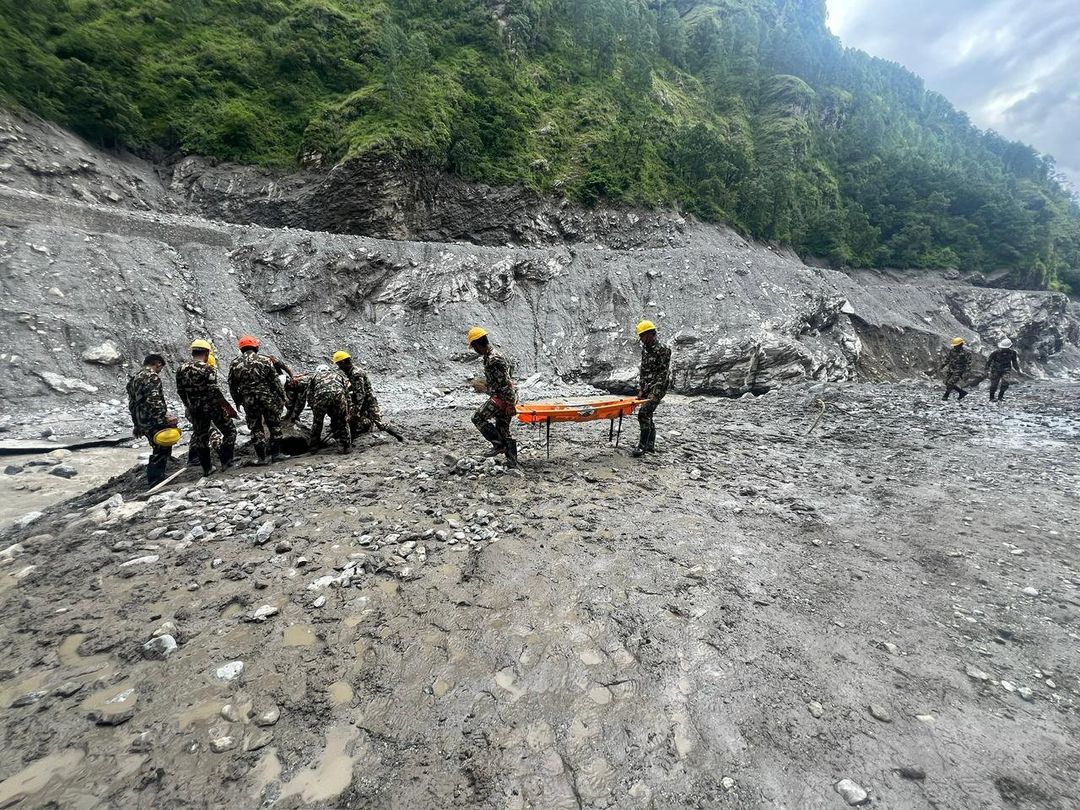
“Preliminary assessments indicate that from recent disaster alone, Nepal has suffered loss of over $5 billion, nearly 15% of our GDP and a third of our annual budget," Shisir Khanal, Nepal's foreign minister, said on Wednesday at the UN climate summit. "Thus for Nepal, this catastrophe is not merely a humanitarian emergency. It is a development emergency dismantling years of progress. It is a justice crisis exposing the inequities of global climate action and it is an existential crisis striking at the very survival of our communities and our future.”
“What happened in Nepal is not an isolated disaster but a preview of what awaits many vulnerable nations,” Khanal said.
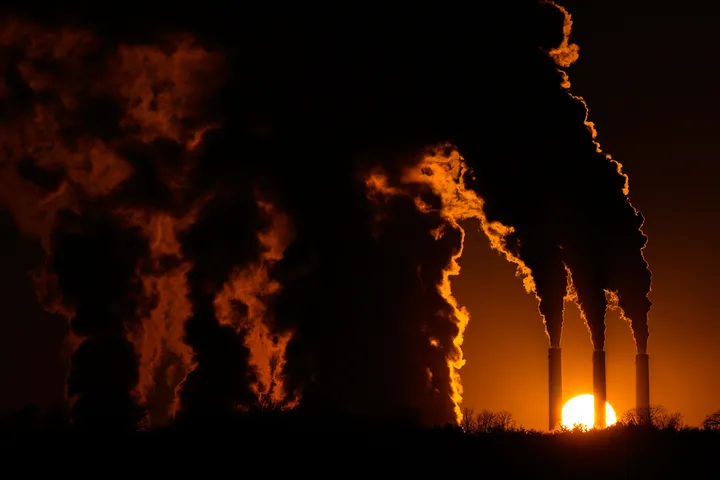
Former United States Vice President Al Gore said in an interview that Nepal's disaster shows that the climate crisis “was getting worse much faster” than people can handle and foreshadows problems with melting glaciers that feed all of the great rivers of Asia, putting the water supply of 2 billion people at risk.