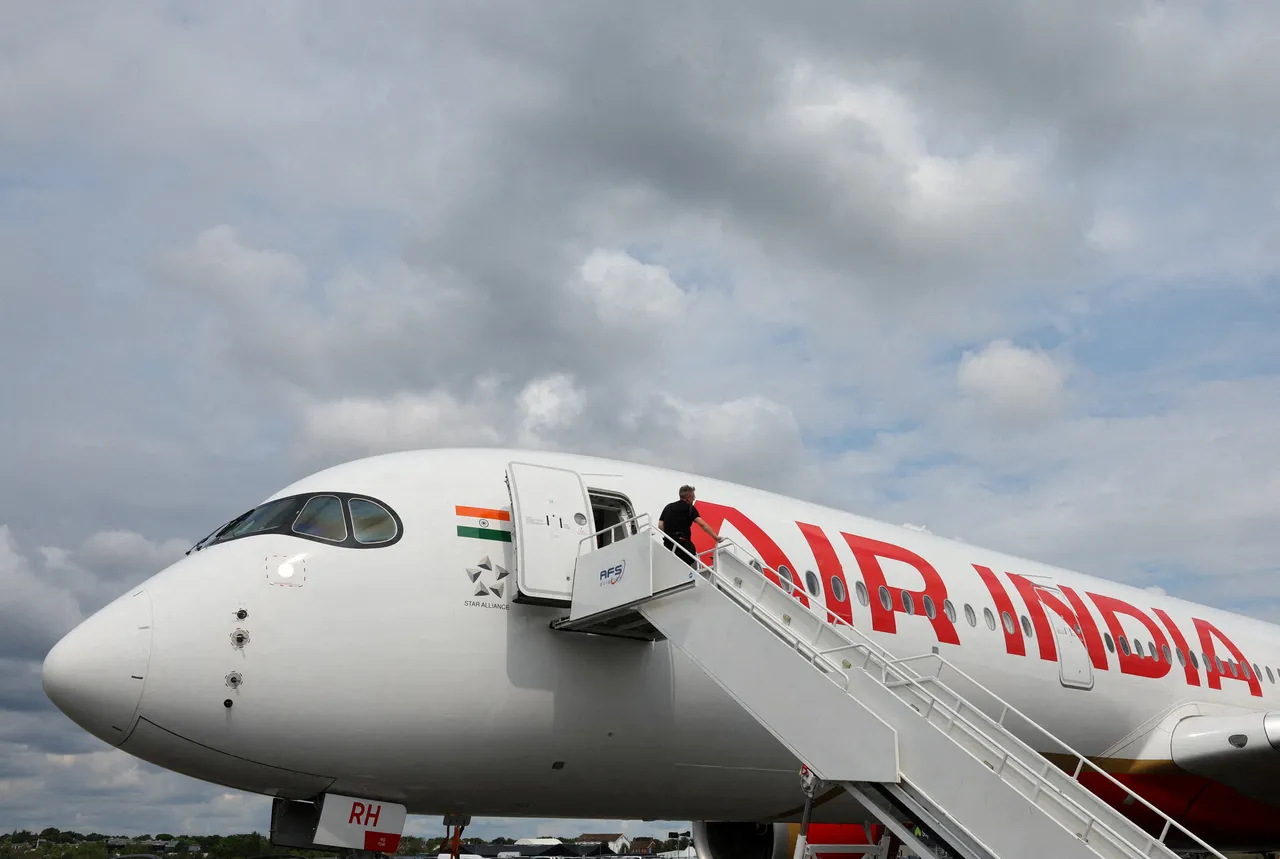
The Federation of Indian Airlines, representing Air India, IndiGo and SpiceJet, has warned the government that the aviation industry is on the verge of "stopping operations" due to rising fuel costs linked to tensions in the Middle East and disruptions near the Strait of Hormuz.
The airlines sought a temporary deferment of the 11 percent excise duty on Aviation Turbine Fuel (ATF), as well as a uniform fuel pricing mechanism for domestic and international operations, Indian media reported on Tuesday.
ATF accounts for about 40 percent of airlines’ operating costs. Last month, the government capped the ATF price increase at 15 Indian rupees ($0.16) per liter for domestic flights, while international prices rose by 73 Indian rupees ($0.77) per liter.
"... any ad hoc pricing (domestic vs international) and/or irrational increase in the price of ATF will result in unsurmountable losses for airlines and will lead to grounding of aircraft, resulting in cancellation of flights," the federation said in a letter dated April 26 to the Civil Aviation Ministry.
"In order to survive, sustain and continue operation, we request your urgent intervention for immediate and meaningful financial support to tide over the current situation," it said.
Last month, New Delhi curbed the ATF price hike to Rs 15 per litre for domestic operations, and for international flights, the price rose by Rs 73 a litre.
The airlines said the situation has practically made both international and domestic operations completely unviable and resulted in significant losses for the aviation sector in April.
Indian airlines are already in stress due to closure of Pakistani airspace. Around 800 weekly flights — departures and arrivals — operated by Indian airlines have been affected due to the closure of Pakistani airspace since April last year following military tensions between the two neighbours.
Air India, owned by Tata Group and Singapore Airlines has reportedly forecast a hit of $600 million a year due to the Pakistan airspace ban.
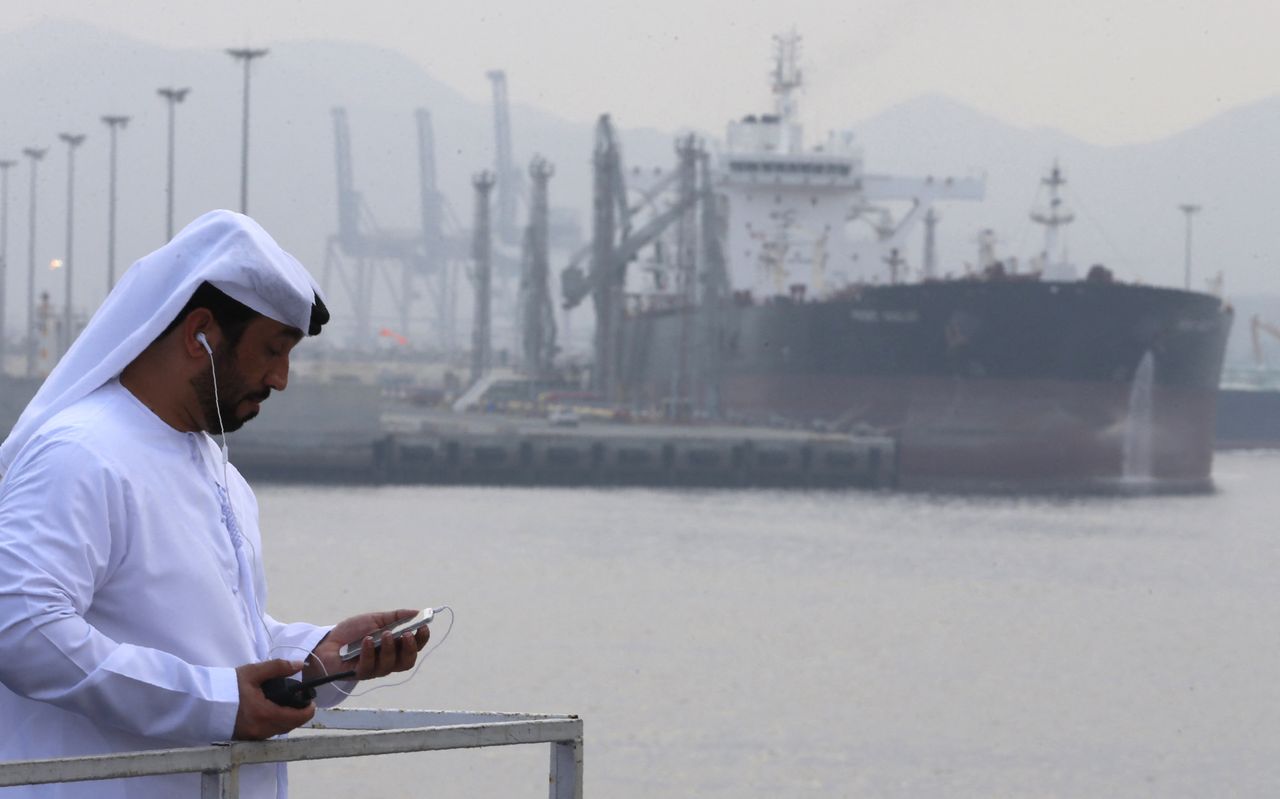
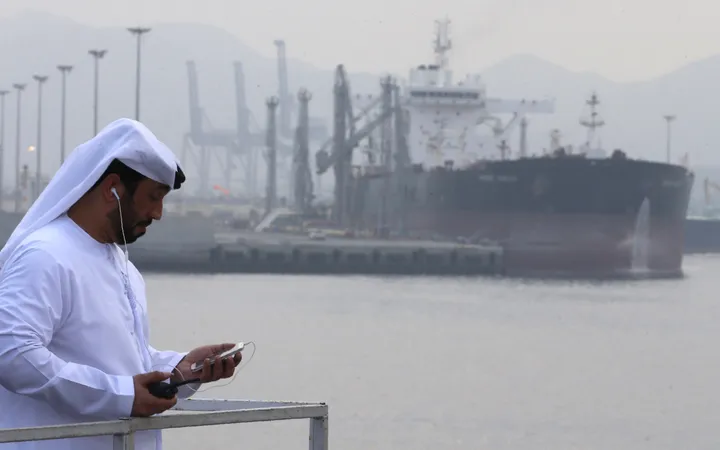


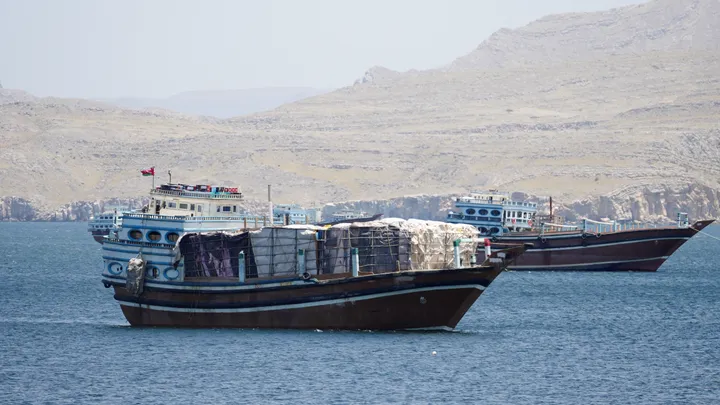



Double blockade on Hormuz
The Strait of Hormuz is one of the world’s most critical energy chokepoints, with roughly one-fifth of global oil supply passing through it daily.
The waterway has faced disruptions since early March following the outbreak of war on February 28, when the United States and Israel launched a joint war on Iran.
The war is currently on hold under a ceasefire, while diplomatic efforts are ongoing to reach a lasting agreement.
Since the start of the war travel through the Strait of Hormuz, through which around a fifth of the world's oil and liquefied natural gas (LNG) supplies normally pass, has been closed by Iran.
US has imposed its own blockade on Iran’s ports.
Some 11 million barrels of oil per day are thus shut out from the market, according to the International Energy Agency.
The average price of jet fuel rose to $179 per barrel in the week ending April 24, according to the International Air Transport Association’s Jet Fuel Price Monitor.
Gulf refineries also produce considerable amounts of diesel and jet fuel.
Several nations in Africa and Asia — which were more dependent upon Middle East supplies — have already had to ration fuel or electricity.
Both the European Commission and member states have sought to reassure consumers about supplies, at least in the short term.