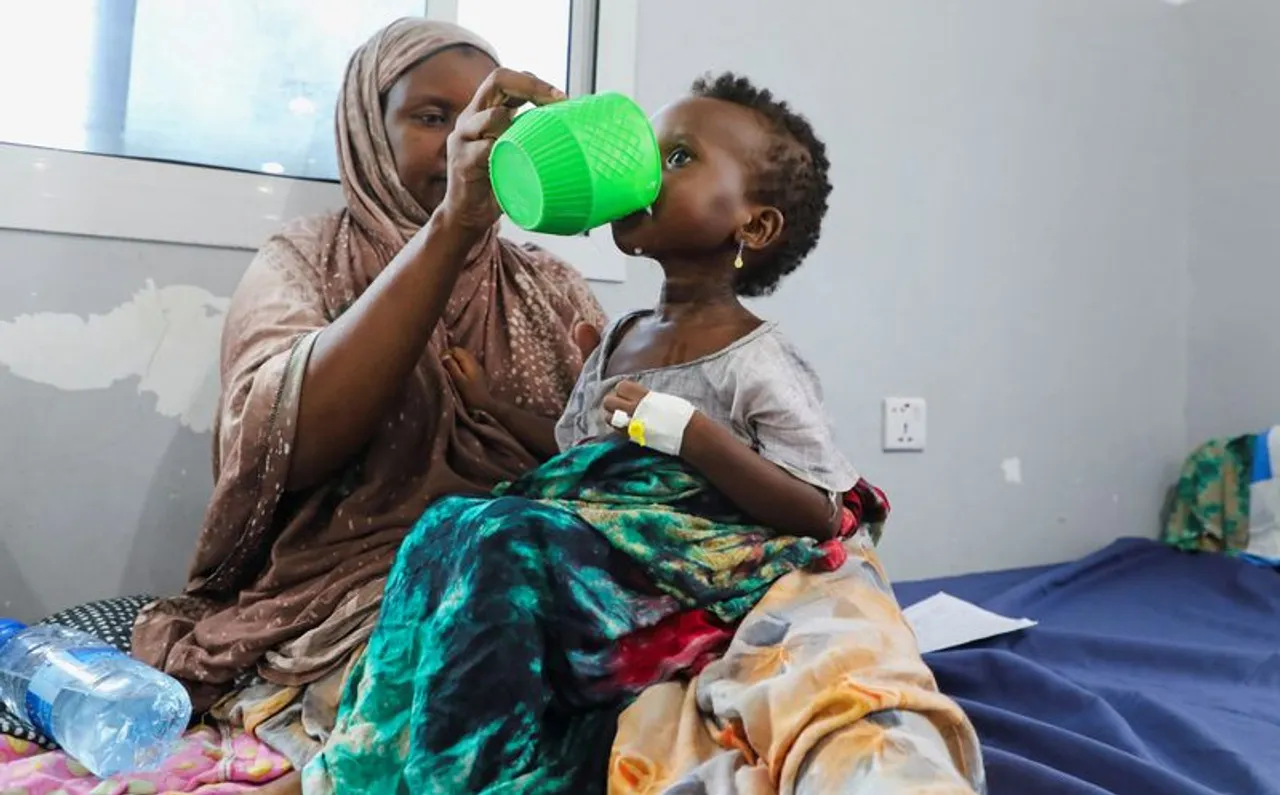
For Somalia's malnourished children, already suffering the twin catastrophes of looming famine and radical cuts in foreign aid, the US-Israeli war on Iran means more than soaring petrol pump prices; it is a matter of life and death.
Shortages of lifesaving therapeutic foods exacerbated by shipping disruptions are forcing clinics to turn away severely malnourished children and ration supplies, Reuters reporting shows.
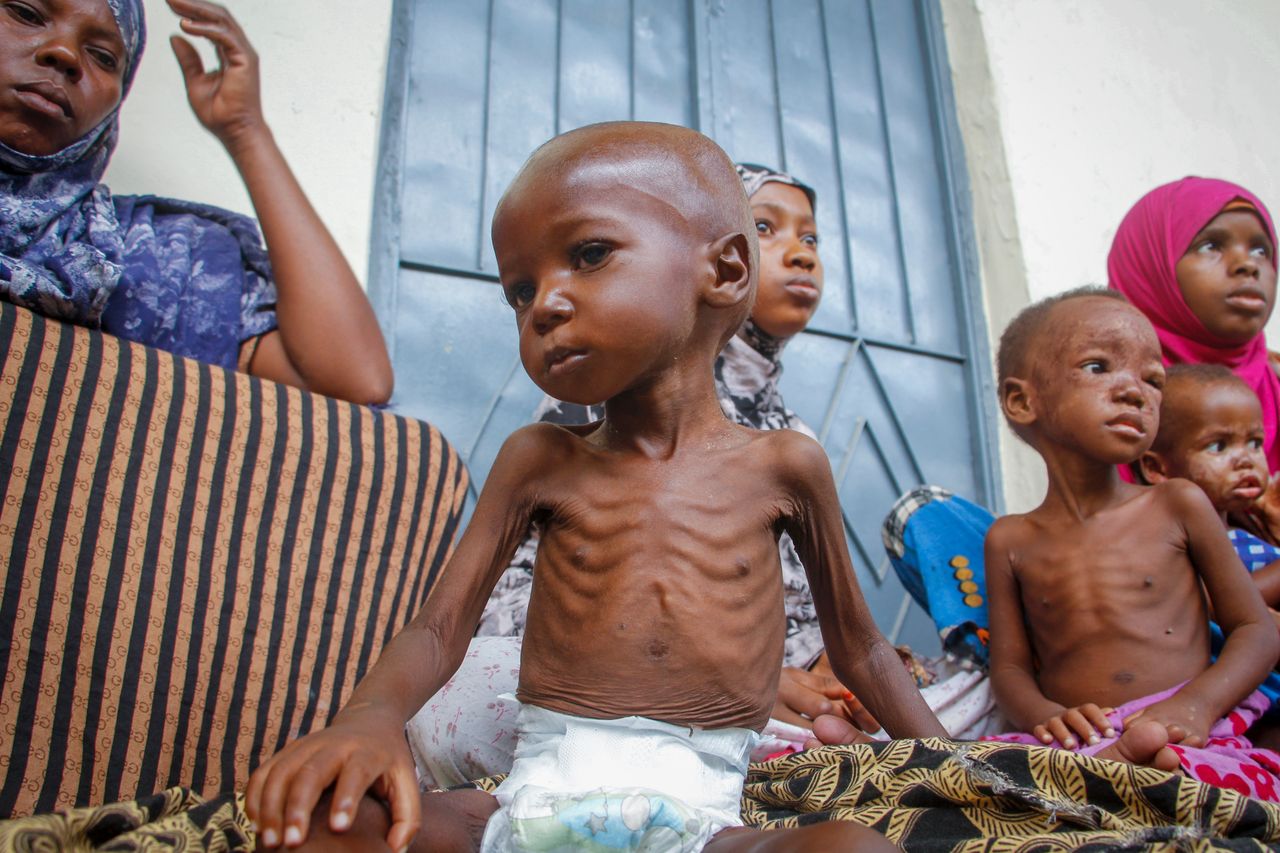
Almost half a million children under 5 suffer from "severe acute malnutrition" or "wasting", the most life-threatening form of hunger, and the delays are worsening the effect of the aid reductions.
Somalia’s children rely on ever-shrinking food aid
Health workers in Baidoa and Mogadishu say they have had to stretch out meagre stocks of specialised milk and nutrient-dense peanut-based paste vital to saving these children.
"Since the needs are large and we don't have a lot of supplies, we have had to keep reducing the amount we give children," nurse Hassan Yahye Kheyre said.
The 225 cartons of peanut paste remaining at his clinic, which treats more than 1,200 children, will probably be exhausted within two weeks, according to the International Rescue Committee, which supplies the facility.
"If treatment is on-and-off, the children will become very weak, physically and mentally. And it may not be possible to reverse it," Kheyre added.
The IRC is one of three aid groups that said transport delays and rising costs linked to the US-Israeli war on Iran were making an already complicated situation worse.
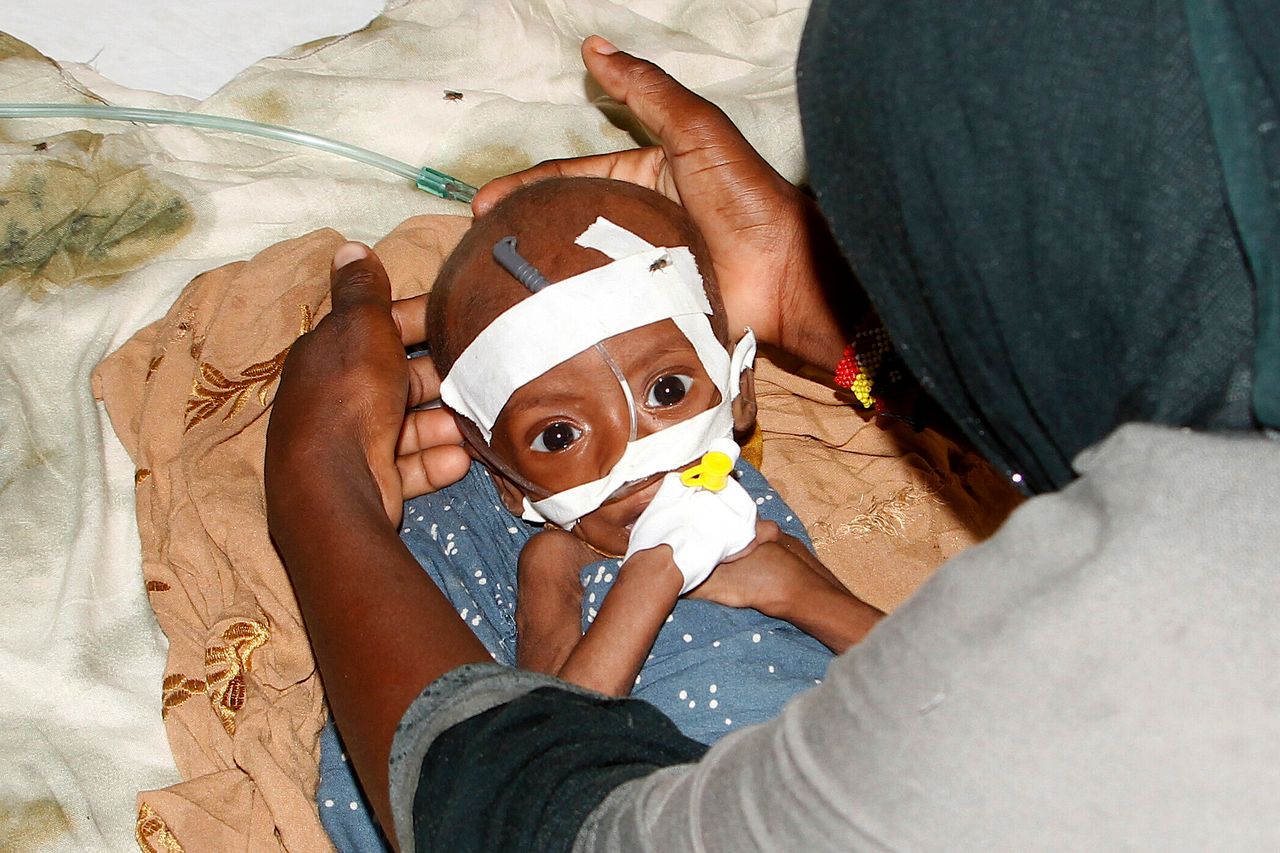
At the clinic in the southwestern city of Baidoa, run by IRC's local partner READO, mother-of-nine Muumino Adan Aamin has been trying to get peanut paste for Ruweido, her 11-month-old daughter.
Ruweido is on a regimen of three sachets a day but Aamin has been turned away twice because the clinic had run out each time.
Aamin nearly lost her daughter Anisa to hunger when a previous drought pushed Somalia to the brink of famine in 2017. "Just bone and skin," the toddler only survived because of peanut paste, Aamin said.
Nine years on, a new drought has pushed 6.5 million people, or one in three Somalis, into acute hunger, and aid groups are desperately trying to plug gaps.
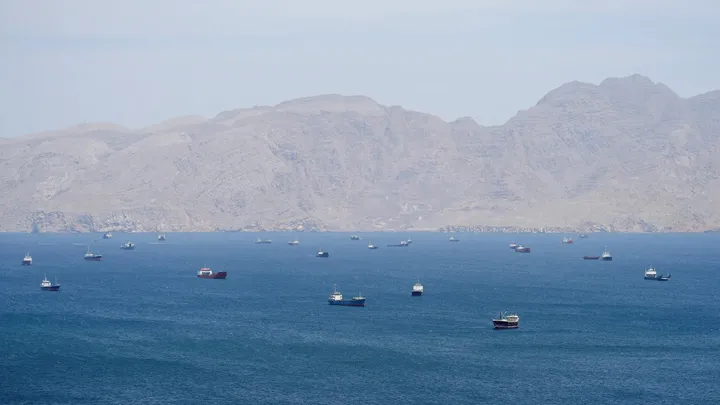
An IRC order for peanut paste that would have fed over 1,000 children got stuck two months ago in the Indian port of Mundra, now congested with diverted cargoes unable to dock in the Gulf, said Shukri Abdulkadir, IRC's Somalia coordinator.
After being told that the peanut paste, made in India, would take at least 30 more days to arrive, IRC cancelled the order.





It placed an emergency order for 400 cartons from Nairobi, and is moving supplies in Mogadishu to Baidoa while awaiting them.
But the increase in freight and manufacturing costs has pushed the price of a single carton to $200 from $55, according to CARE International, whose latest order now buys enough for only 83 children rather than 300.
Life-saving food aid takes longer and costs more
In 2024, deliveries of therapeutic milk and ready-to-use therapeutic food (RUTF) from Europe to Somalia typically took 30–35 days, increasing to 40–45 days in 2025 as vessels diverted around Africa owing to security threats in the Red Sea.
Since the United States and Israel attacked Iran on February 28 and Iran closed the entrance to the Gulf, a lack of ships has pushed that out to 55–65 days, said Mohamed Omar, head of Health and Nutrition at Action Against Hunger (ACF) in Mogadishu.
Meanwhile in Somalia, the IPC global hunger monitor says more than 2 million people are now in the "Emergency" phase, one level before famine.
Admissions of severely malnourished children in January-March to health centres supported by ACF were up 35 percent from last year.
Staff at Daynile General Hospital, which is treating 360 children for wasting, said on April 20 that they barely had enough supplies for the week.
"Some children's nutritional status has already worsened," said health and nutrition supervisor Xafsa Ali Hassan.
Somalia was not among 17 impoverished nations singled out to receive a share of this year's funds allocated to the UN Office for the Coordination of Humanitarian Affairs (OCHA) by the US, which has made the most drastic cuts among foreign aid donors.
OCHA says more than 200 health facilities have been closed and mobile teams disbanded.
It said in December that over 60,500 severely malnourished children had gone untreated as a result, and that the number could rise to 150,000 if funding gaps persisted.
Then, when the Iran war erupted, domestic fuel prices leapt 150 percent.
"Somalia is really hard hit by the Iran war because people are still reeling from the impact of the previous drought," said IRC's Abdulkadir. "It's very difficult for people to absorb these shocks."
OCHA has appealed for $852 million from global donors to stave off a full-blown famine.
This is far below the $1.42 billion it requested last year — yet it has still barely received 14 percent of this amount.