 Zeynep Conkar
On July 15, 2016, a generation of children and teenagers witnessed a history they did not yet have the words to name.
Many watched it unfold in real time, but without the heavy context of everything their elders had already lived through.
They were too young to vote, too young to march, and too young in most cases to fully grasp fear.
Ten years on, that generation is old enough to vote, organise, and write.
What they make of democracy now is shaped as much by what came after 2016 as by the night itself, given that people fought, sacrificed and gave their lives to defend their country and its democratic future.
We asked four of them to look back. What follows are their words, lightly edited, in their own voice.
Zulal, 19, student, Istanbul:
Throughout life, a person’s greatest struggle is to belong somewhere. We try to fit ourselves into a family, a profession, an ideology, or even our own emotions. We long to belong somewhere and to have something to hold on to because it makes us feel safe.
I was nine on July 15. I'd seen our flag every day at school and sung the national anthem countless times. But that night was probably the first time I understood why they mattered so much. People were out there, willing to die for them, and suddenly they felt real to me in a way they hadn't before.
What I think about now is how millions of completely different people, with different lives and opinions, came together around something that night and meant it at the same time. I hadn't felt that before. I'm not sure I've felt it since, not like that.
July 15 took a lot from this country. But it also gave my generation something, an awareness of what we have and what it costs. I hope we don't forget it.
Ahmet Selim, 20, student, Konya:
My father woke me up that night. I remember the blue light of the television on his face more than anything he said.
He kept switching channels. Every channel had the same woman at a desk, the same frightened voice. I fell asleep on the sofa and woke to morning prayer and my mother crying quietly in the kitchen, though she told me later she wasn't sure exactly why.
What I understood then was almost nothing. What I understand now is that my father's fear that night stemmed from what he already knew.
My grandparents survived the 1960 coup, and my parents lived through the violence of 1980. These things were passed down in our family as life lessons.
I grew up knowing that coups take people along with governments. They take rights, voices, decades. So when I watched my father that night, choosing to believe the institutions would hold, I understood what that choice cost him. I understood what it meant to stand on the side of democracy, knowing exactly what the other side had done to this country before.
We are a generation that learned from our families what it looks like when democracy fails. That is exactly why we will not allow it again.
Gulcan, 26, teacher, Izmir:
I was sixteen. I remember my phone screen more than anything: President Erdogan's face on FaceTime, telling us to go out and defend our country.
My brother and father were already at the door, putting on their shoes. I followed them.
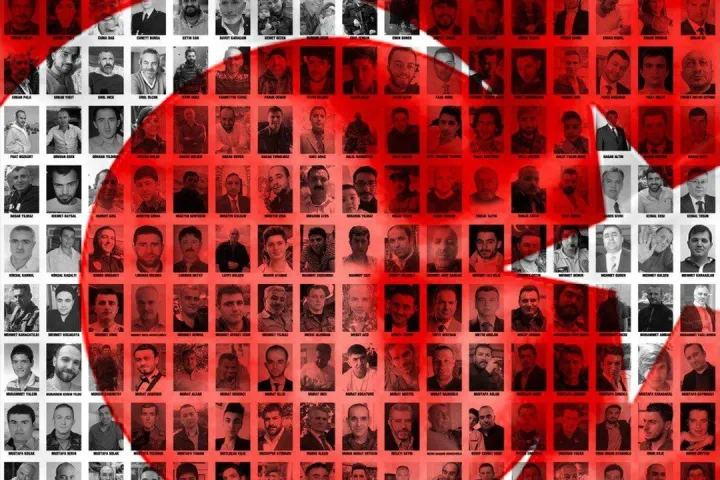
We lost martyrs that night. People I didn't know, people whose families I'll never meet, who stood in front of tanks with their bodies because they believed the ground beneath them was worth that.

I have thought about those people since, with something heavier than grief.
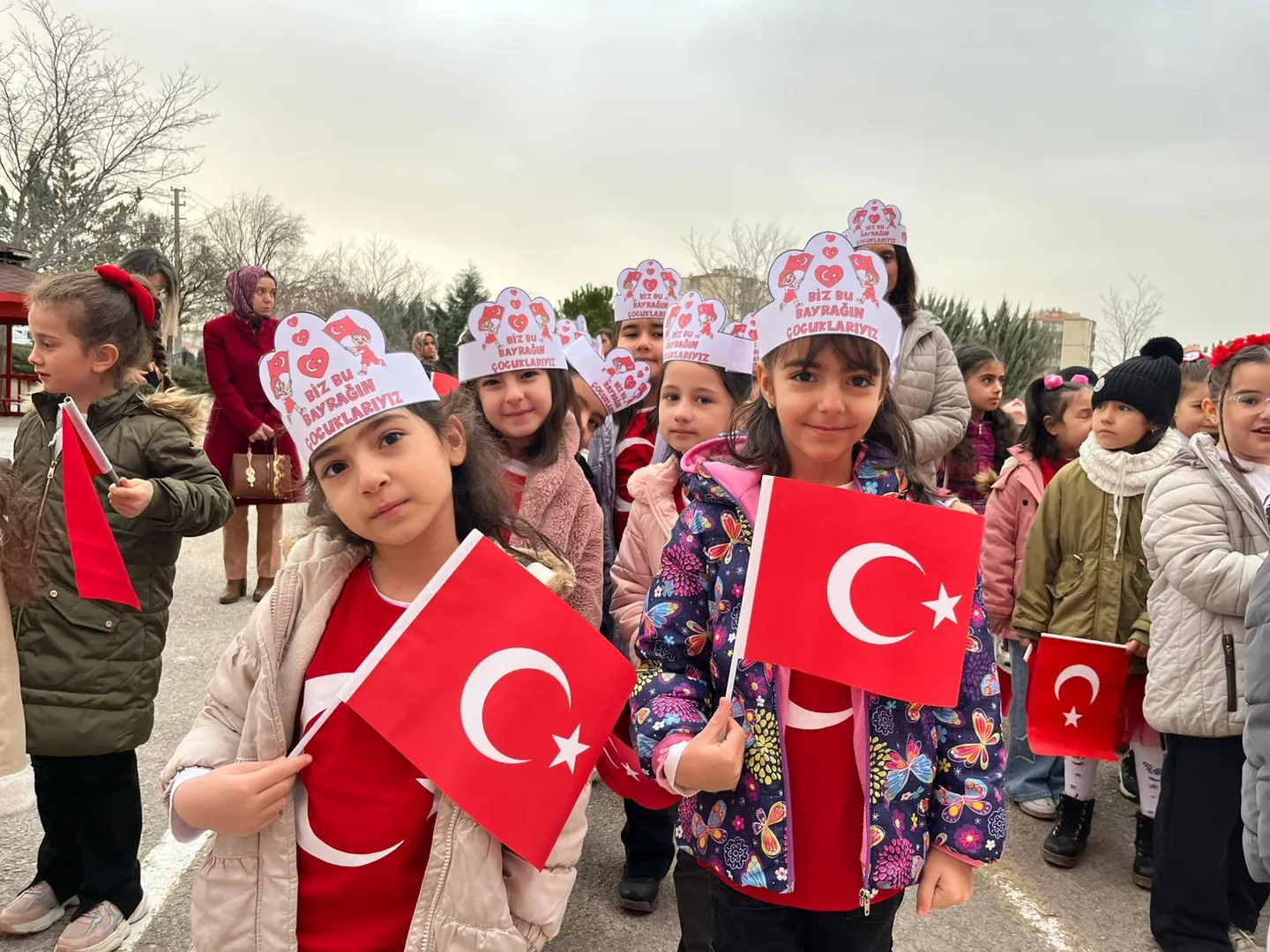
I now teach primary school. When I stand in front of my students and we recite the Turkish National Anthem together on Fridays, I think of that night.
I want them to feel that this flag, this land, this faith, this history are real people's sacrifices. That pride is something to be carried forward.
Mehmet Esad, 22, student, Ankara:
On the night of July 15, my father and brother wanted to go out (into the streets). My mother wouldn't allow it; she was afraid, she had three children in the house, and she wasn't going to let them leave.
So we stayed in, all of us awake until morning, following the news, worried.
In the days that followed, my mother didn’t stop us. Heeding Erdogan's call, our family went to Kizilay and kept going, night after night, for weeks.
The squares were never empty in those days. My father said you don't just defend something once and call it a day; you stay until the dust settles. I remember the crowd, the flags, the noise, and how calm my family was throughout it all. Not angry but determined, which is different.
I'm a patriot, and I'm not going to apologise for it. I know some people my age think that's embarrassing or naive. I don't see it that way. What I saw in those weeks was ordinary people deciding to take a stand, night after night.
That's the only thing that actually holds a country together when everything else fails: people who don't go home.
I won't go home either.
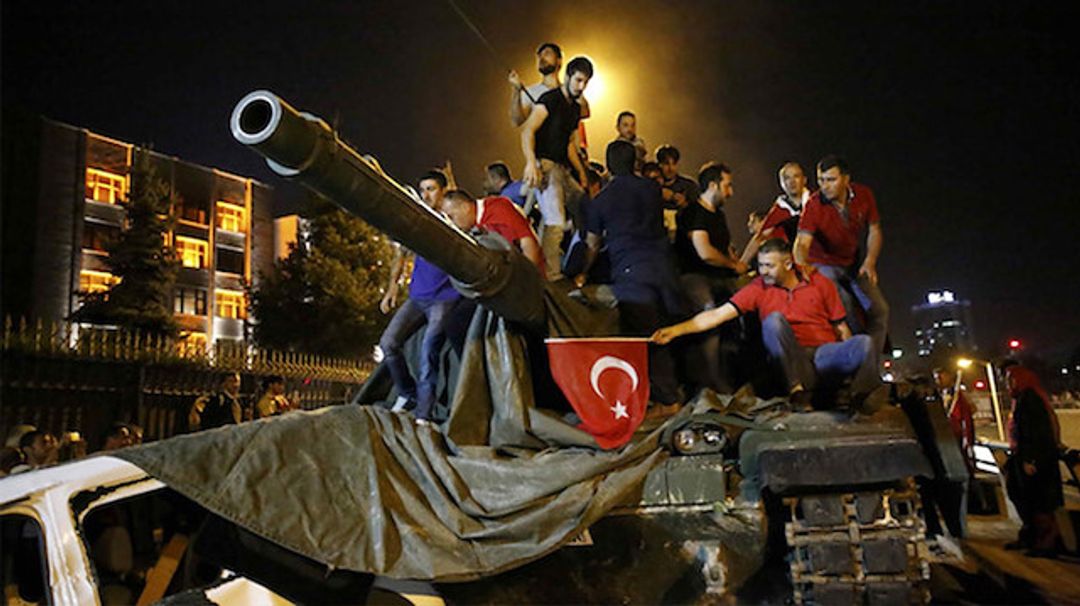
To defend the country
The defeated coup attempt, in which 253 people were killed and 2,734 were wounded, was plotted and carried out by FETO, a terrorist group with a continuing presence in some countries of the world.
FETO had been running a long campaign to infiltrate and ultimately overthrow the Turkish state through the military, police, and judiciary.
That night, crowds poured into the streets across the country in response to President Erdogan's call to defend the country's constitutional order. It took until the following morning for the attempt to be fully crushed.
Every year since, the country has gathered to honour the martyrs and remember what happened on July 15, Democracy and National Unity Day.
The young people whose words appear here were children that night.
That night shaped them - through a parent's face lit up by a television screen, through family stories of the coups that came before, through weeks of standing in squares long after the danger had passed.
It gave them a deeper understanding of what democracy means.
Now, ten years later, it is their turn to keep that legacy alive.