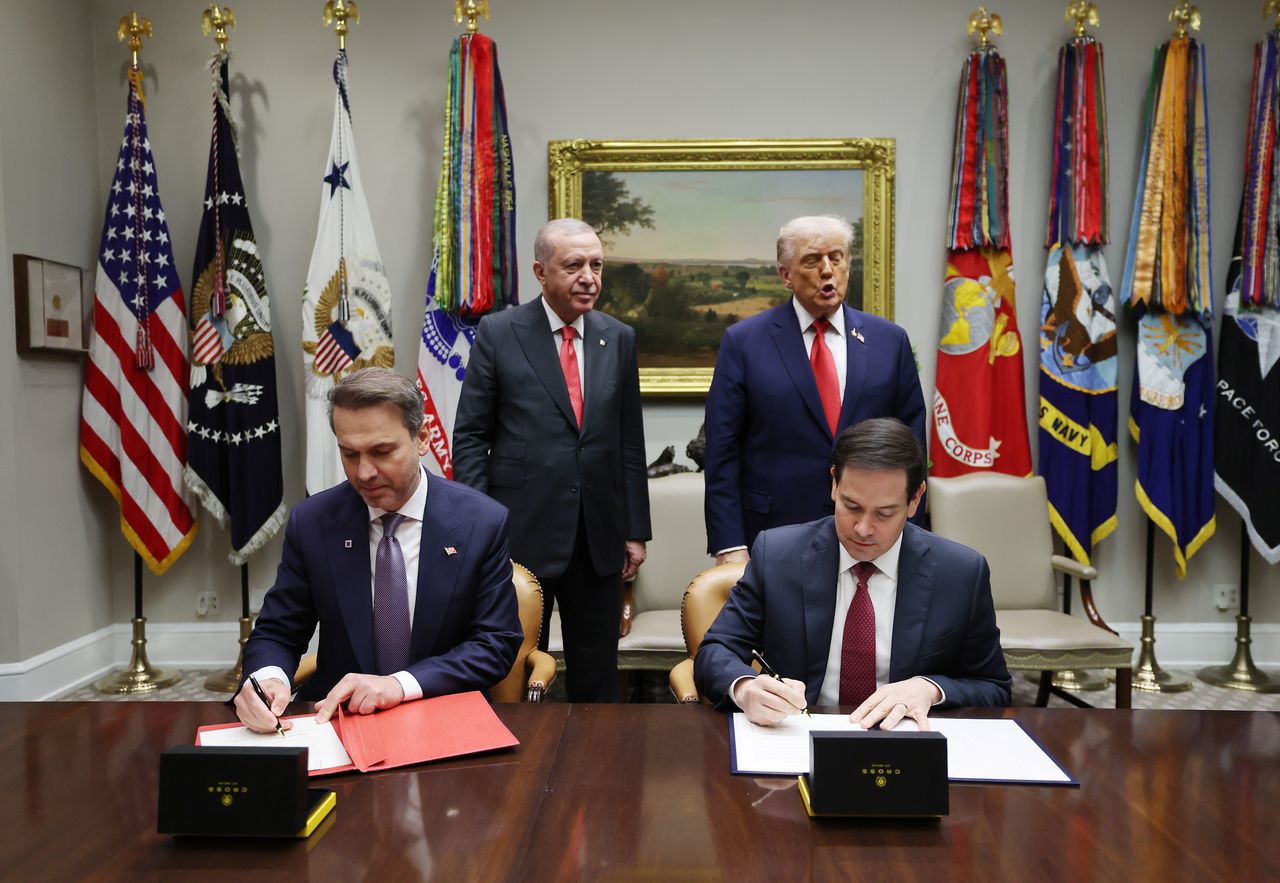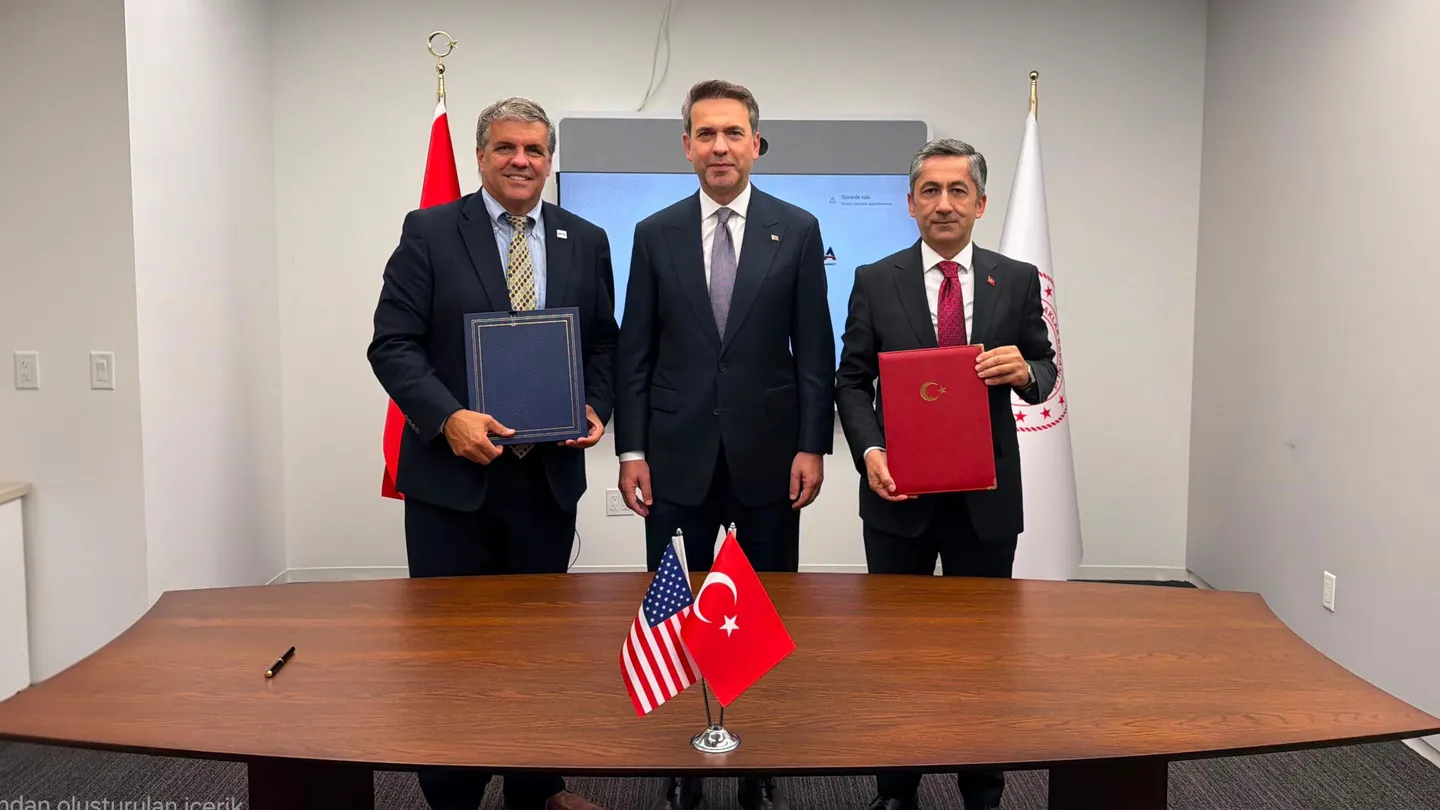
Türkiye and the United States have taken another step towards deeper cooperation in nuclear energy, with Türkiye Nuclear Energy Inc. (TUNAS) and the US Trade and Development Agency (USTDA) signing a grant agreement to assess small modular reactors (SMRs) and fourth-generation reactor technologies.
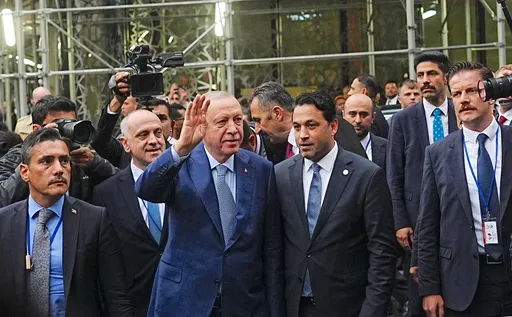
The agreement was signed at Türkevi in New York during President Recep Tayyip Erdogan’s visit for the UN General Assembly.
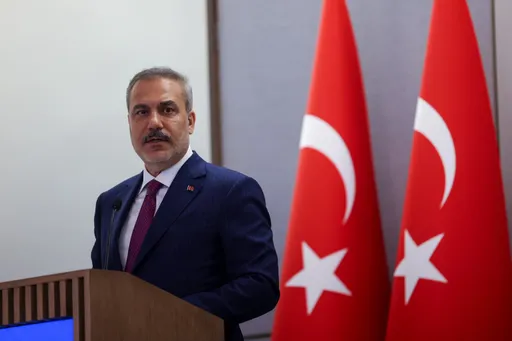
On Tuesday, Energy and Natural Resources Minister Alparslan Bayraktar said the project will examine the technical, economic and regulatory feasibility of next-generation nuclear technologies for Türkiye.
Bayraktar said the cooperation would support Türkiye’s goal of reaching net-zero emissions by 2053 while strengthening energy independence and diversifying the country’s power mix.
“In addition to our large-scale nuclear power plants, we will continue with determination to build a robust and modern energy infrastructure,” Bayraktar said.
Deal builds on closer US-Türkiye nuclear ties
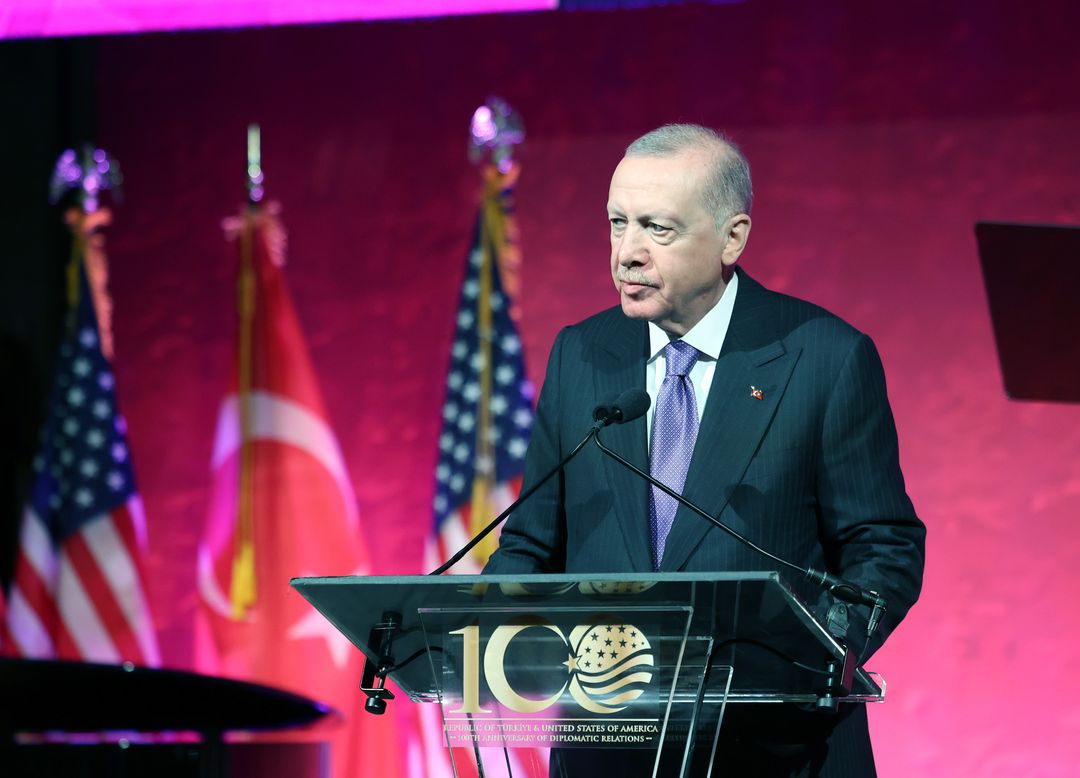
The agreement comes months after Turkish President Erdogan and US President Donald Trump met in Ankara during the NATO summit on July 7, where the two leaders discussed strengthening bilateral ties, including economic and energy cooperation.
The latest nuclear agreement also builds on a broader framework for cooperation. In September 2025, Türkiye and the United States signed a Strategic Civil Nuclear Cooperation Memorandum of Understanding aimed at supporting potential partnerships between Turkish and US companies in the sector.




The timing also comes as Washington is promoting wider international deployment of SMR technology.
On the sidelines of the July NATO summit in Ankara, the United States, Japan and South Korea signed a memorandum aimed at accelerating SMR deployments in other countries.

Türkiye weighs next generation of nuclear power
Türkiye is already pursuing large-scale nuclear projects, with the Akkuyu plant under construction and plans for additional plants in Sinop and Thrace.
TUNAS has said the country is also targeting as much as 20,000 megawatts of nuclear capacity by 2050, including SMRs.
For Ankara, the effort represents another avenue for expanding nuclear power beyond conventional large reactors as it seeks a broader and more secure energy mix.