UN experts have called for an international investigation into the death of three Lebanese journalists in an Israeli strike, saying Israel had not provided "credible evidence" of their alleged links to armed groups.
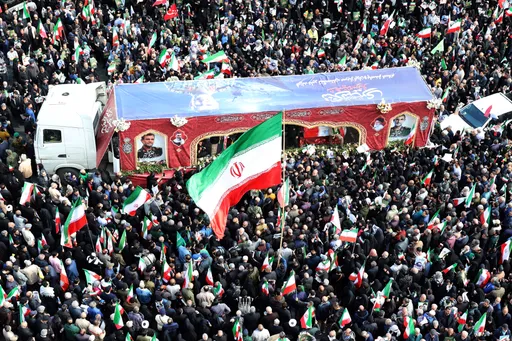
The three journalists, including Ali Shoeib, a star correspondent for Al Manar channel of Hezbollah, which is at war with Israel, were killed on March 28 in an Israeli strike in southern Lebanon.
"We denounce strongly what has now become a standard, dangerous practice of Israel to target and kill journalists and then claim, without providing any credible evidence, that they were involved with armed groups," the experts said in a statement.
The Israeli army had described Shoeib as a member of the Radwan force, an elite Hezbollah unit, operating "under the guise of a journalist".
According to the experts, Israel's only so-called "evidence" for its claims was a photoshopped image of the journalist.
Journalism not combat
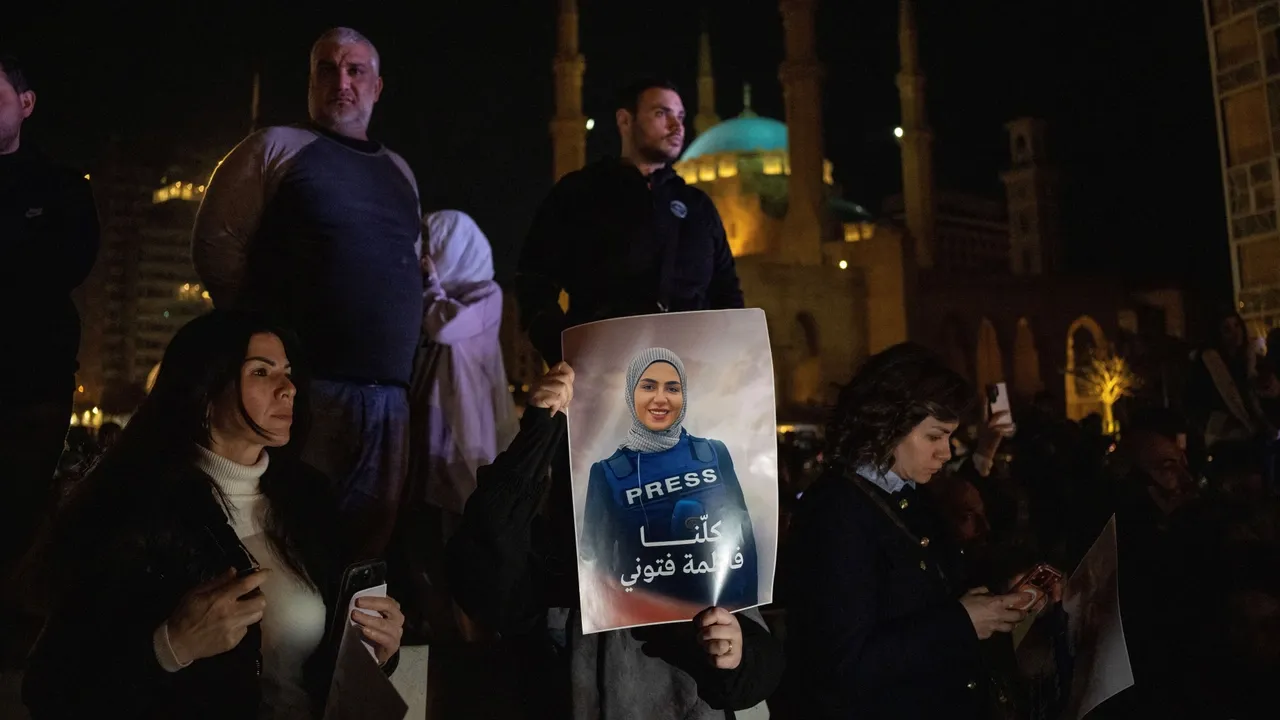
Israel also confirmed it killed journalist Fatima Ftouni of Al Mayadeen, seen as close to Hezbollah, and her brother, cameraman Mohammed Ftouni, claiming him as "an additional terrorist in Hezbollah's military wing".
The experts argued that working as a journalist for a media outlet linked to an armed group does not constitute direct participation in hostilities under international humanitarian law.
"Israeli officials know this, yet they choose to ignore it - emboldened by impunity for their previous killings of journalists in Lebanon, Gaza and the (occupied) West Bank."
At least 231 journalists and media workers have been killed by Israel since 2023, including 210 in Gaza and 11 in Lebanon, according to the Committee to Protect Journalists (CPJ).
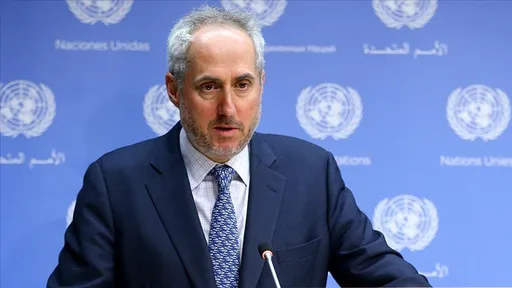
Although appointed by the United Nations Human Rights Council, special rapporteurs are independent experts and do not speak on behalf of the UN.