 Kazim Alam
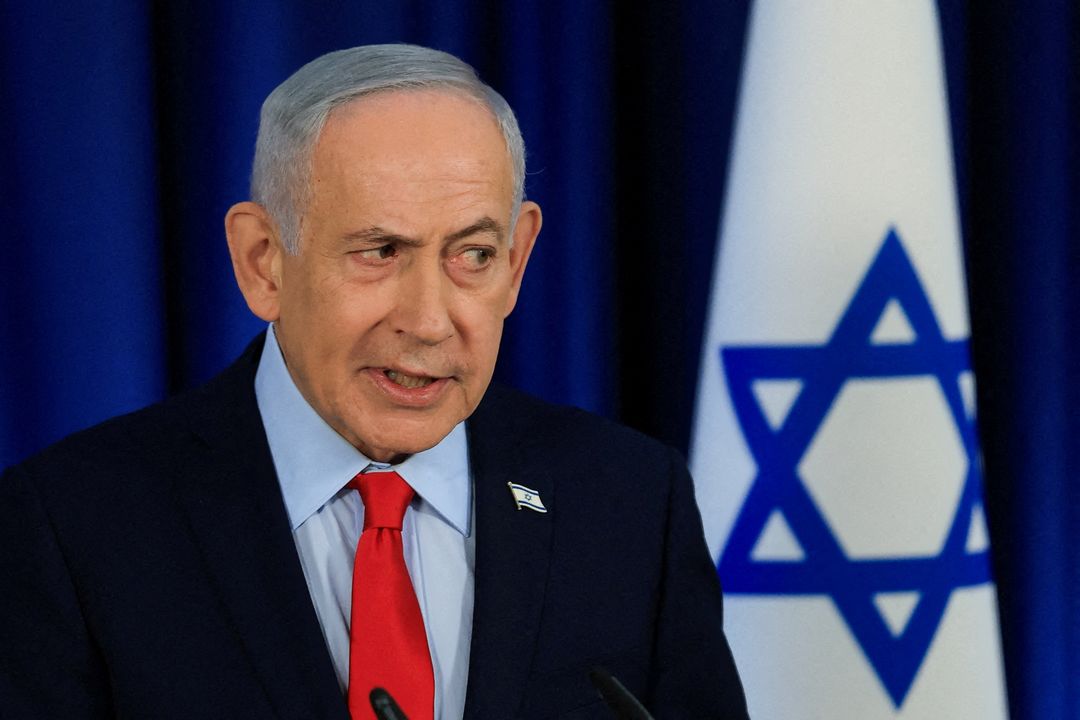
Israeli Prime Minister Benjamin Netanyahu has already turned an under-investigation cockpit fight into his election campaign material that paints the country as a victim of terrorist threat – a challenge that only an experienced ‘security premier’ can meet.
On September 30, a flydubai flight from Dubai to Tel Aviv diverted to Saudi Arabia after a reported cockpit altercation.
Investigations are still underway, but initial reporting quoted officials as saying that the co-pilot – who they identified as an Omani national – allegedly stabbed the captain, Indian national Smit Machchhar.
The alleged altercation sent the aircraft carrying 174 passengers, mostly Israelis, plunging 17,000 feet within minutes before some passengers overpowered the co-pilot and a second pair of flydubai pilots landed the plane.
Netanyahu did not wait for the investigation to establish conclusively whether it was indeed a terrorist attack.
Tugce Ersoy-Ceylan, a professor of international relations at Izmir Katip Celebi University, tells TRT World that there are “clear signs” Netanyahu is trying to turn the flydubai incident into an election campaign issue.
“The investigation is still ongoing. Yet, Netanyahu has already described the incident as an attempted ‘9/11 disaster’ and linked it to (so-called) Islamist radicalisation,” she says.
Netanyahu immediately called the episode a “serious security incident”, claiming that the attacker had tried to crash the plane with the passengers on board.
He claimed that the wounded captain and the Israelis who stormed the cockpit had “managed to prevent a 9/11 disaster”.
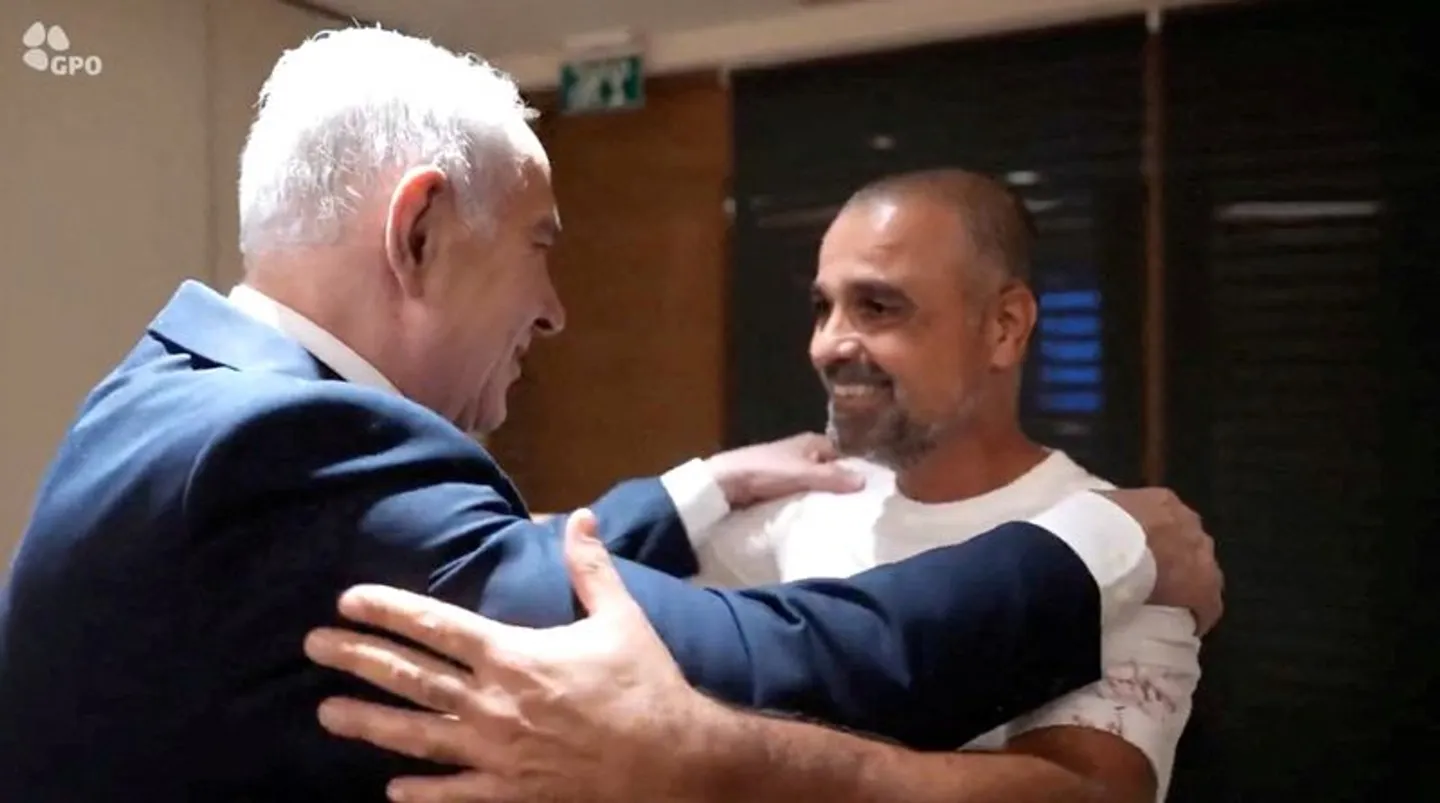
He also met returning passenger Yaniv Hayun, still in blood-stained clothes, at Ben Gurion airport and called him a hero.
Netanyahu has clearly overplayed the alleged hijacking plot, raising the spectre of a 9/11-like terrorist attack on Israel only four weeks before the general election.
That’s because Netanyahu, already Israel’s longest-serving premier, has built his political identity as a security hawk.
But analysts say Netanyahu’s security credentials have taken a hit after Hamas’ cross-border blitz on October 7, 2023, helping internationalise the issue of Palestinian suffering at the hands of Israel.
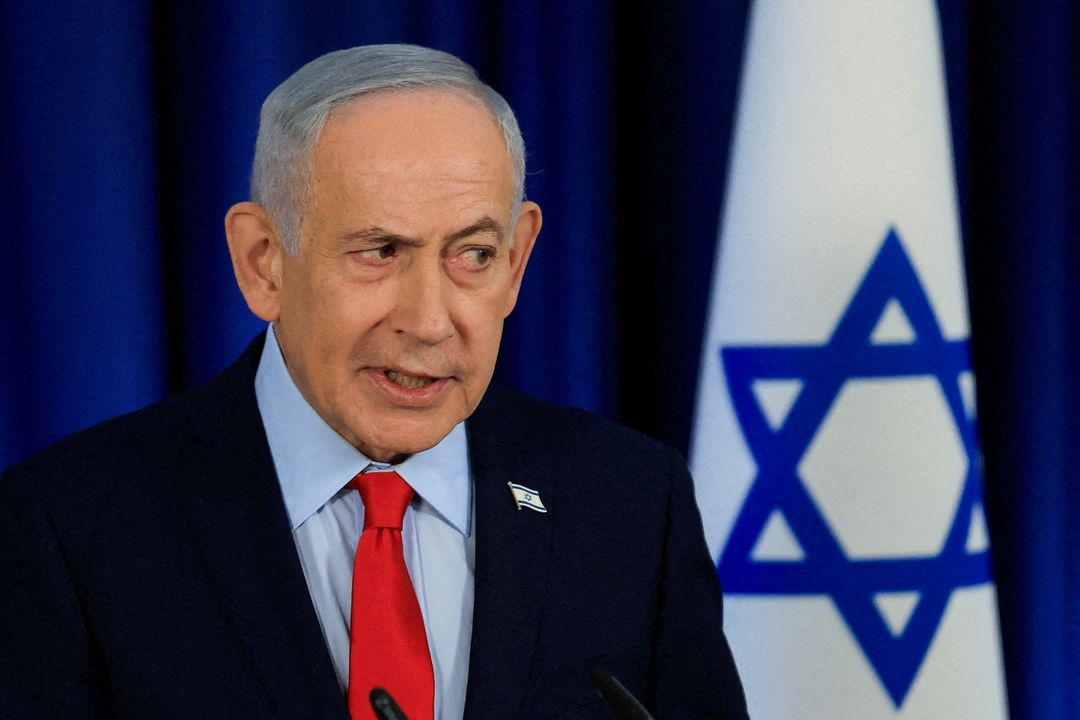
For the last three years, Israel has become an international pariah under Netanyahu’s premiership as it waged a genocidal war in Gaza, besides the on-again, off-again military offensives in Lebanon and Iran.
Interestingly, the day before the alleged hijacking, Netanyahu had warned of plots against Israel in the run-up to the October 27 general election.
Experts say Netanyahu's conversion of a near-tragedy into campaign material is meant to shore up dwindling electoral support for his Likud party.
Netanyahu’s team connected the incident “very quickly” to the warnings he had issued a day ago, while he personally associated himself with the passengers who stopped the alleged attack.
“That means that a genuine security event is already being incorporated into an electoral narrative,” she says.
Netanyahu on the backfoot
Pre-election public polls show Netanyahu’s ultra-right bloc is unlikely to win a 61-seat majority in the 120-member Knesset to form a government.
His opponents within Israel seem to have seen through Netanyahu’s political gimmickry. Israeli media reported that Netanyahu turned the episode into an election flashpoint within hours.
Naftali Bennett, former Israeli premier, said he doesn't need the government to warn him.
“You’re not a warning app, you’re the prime minister of Israel. If you suspected there was a danger that a plane would blow up, what did you do about it? Start taking responsibility for security. It’s exactly like October 7,” he said.

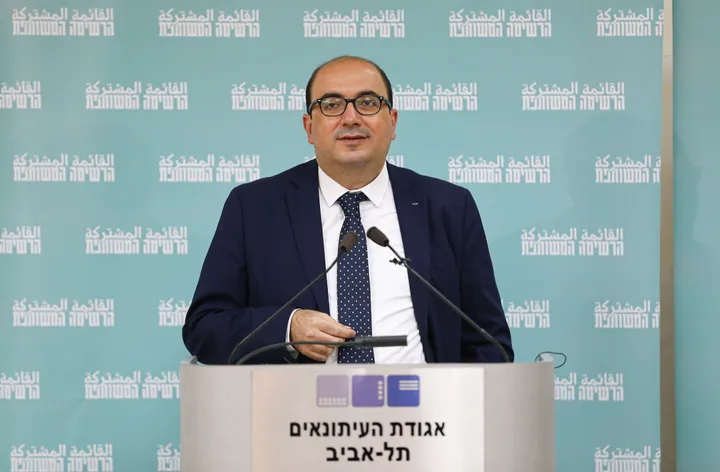



Yair Lapid, another former premier, accused Netanyahu of doing “cheap politics at the expense of Israel’s security”.
According to Ersoy-Ceylan, the alleged hijacking supports two completely different political narratives: Netanyahu presents it as evidence of continuing threats to Israelis and of the need for higher vigilance.
But the opposition has equated it with the October 7 blitz, when the state failed to prevent the danger, and people ultimately had to save themselves.
But which narrative will ultimately prevail during the election depends largely on voters’ prior views of Netanyahu, she says.
Israeli politics is highly polarised, she says, adding that October 7 “fundamentally complicates” Netanyahu’s traditional claim to be ‘Mr Security’.
“Unlike previous elections, emphasising threat does not automatically translate into emphasising his competence. It can simultaneously remind voters of security failure,” she says.
According to Ozden Zeynep Oktav, head of the international relations department at Istanbul Medeniyet University, the alleged hijacking has become a “remedy for Netanyahu”, who was treated at the recent UN General Assembly session as an “outlaw” and a “criminal” by nearly 70 countries.
“On the eve of the elections, he badly needed such a thwarted terror plot. Therefore, this can be a planned one beforehand,” she notes.
She says Netanyahu could not give “satisfactory answers” to accusations from opposition parties that he knew about the October 7 blitz before it happened.
These allegations have “weakened Netanyahu’s hand”, leaving him with “very little chance” of winning the elections.
Doubts galore
Sceptics have started casting doubt on the sequence of events on the day of the alleged hijacking.
The footage from the flight raised many questions, such as the absence of oxygen masks, which drop automatically in a rapid descent, and few injuries among ordinary passengers.
The Iranian state broadcaster Press TV claimed that Netanyahu had planned a false-flag hijacking to draw the US into a new war with Tehran.
Netanyahu told the media that he knew the pilot “underwent Islamist radical indoctrination”.
Even US President Donald Trump spoke cautiously about the incident.
“This is the story that I heard. I don’t know if it’s true, but that’s the story that I got from Bibi,” he said.
Asked how often an Israeli prime minister has turned a late-campaign security scare into measurable votes, Ersoy-Ceylan points to 1996.
A series of suicide bombings damaged Shimon Peres’s security and peace message and strengthened Netanyahu, contributing to his very narrow victory, she says.
The historical pattern, however, shows security crises benefit security-oriented and far-right narratives “rather than consistently rewarding the incumbent prime minister”.
But Oktav notes that security in Israel remains the “most crucial issue”.
“Therefore, the flydubai plot makes the Israelis believe that Netanyahu’s criminal policies are just for their security purposes,” she says.