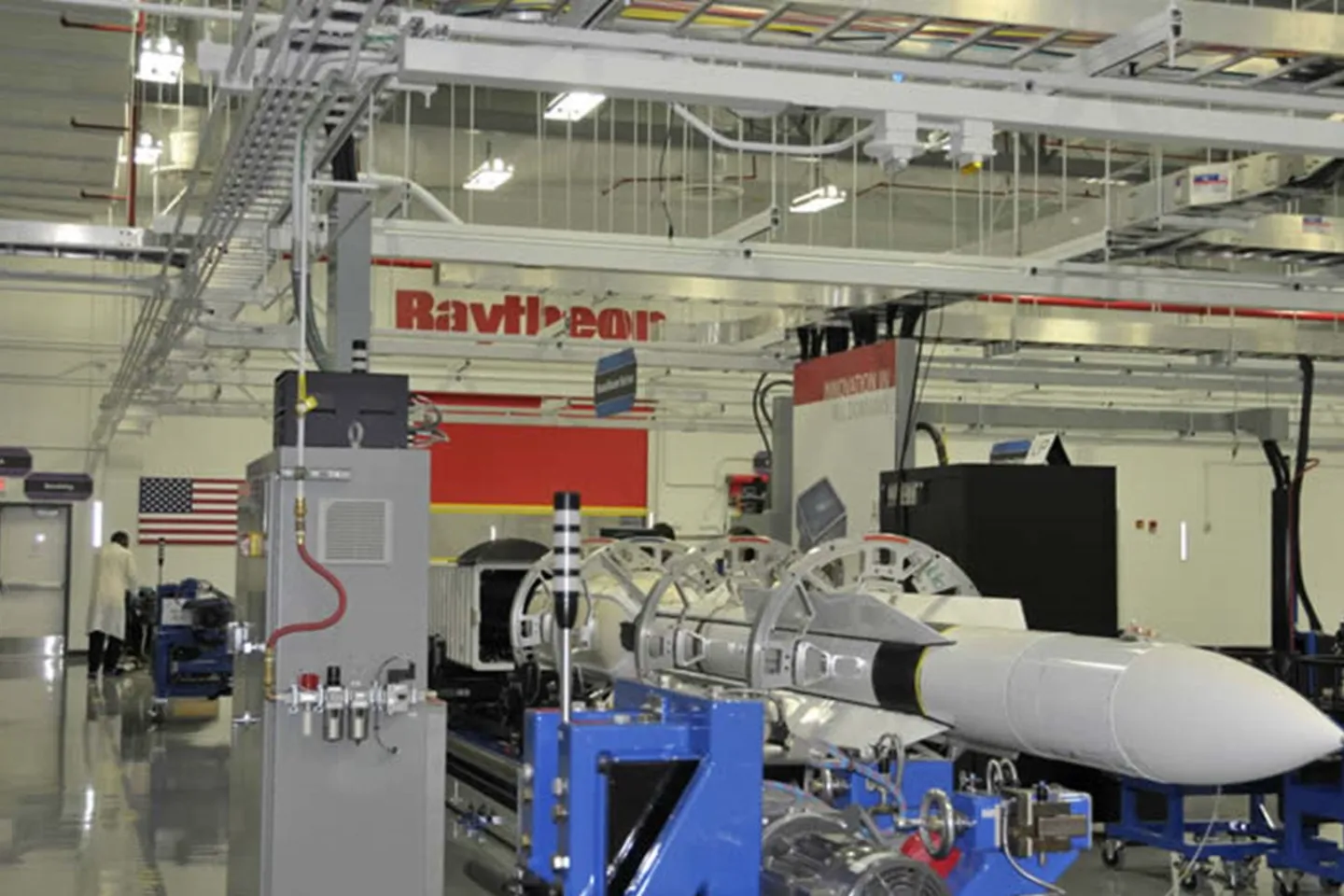
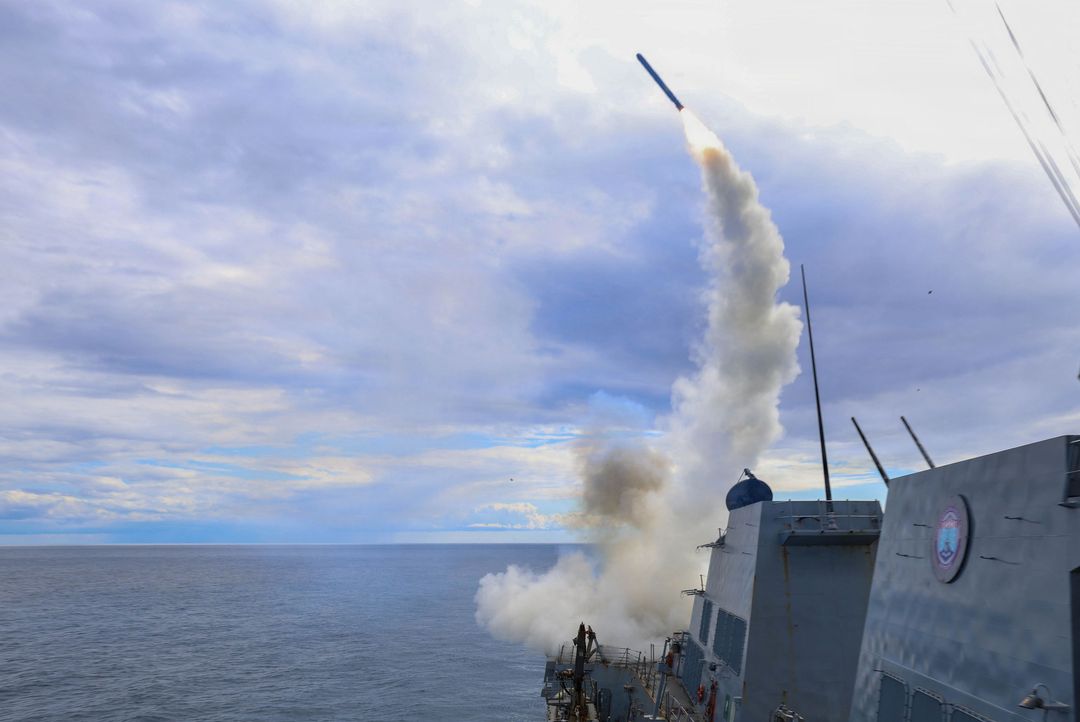
The Pentagon has announced the award of a $24.4 billion contract for Raytheon to accelerate production of SM-6 missiles as Washington works to replace the large amount of munitions expended during the Iran war.
This five-year agreement, with two additional option years, will drive faster production," the Pentagon said in a statement on Thursday.
The deal "provides the defence industry with the long-term predictability needed to expand workforce capacity and secure critical supply chains," the statement added.
The missiles are "critical anti-air and anti-surface warfare munition.
President Donald Trump has so far brushed aside questions about the major toll taken on US munition supplies by the war on Iran, which the United States and Israel launched on February 28.
But the Defense Department's inspector general said last month that "the munitions expenditure on Operation Epic Fury has resulted in strategic inventory shortfalls and revealed industrial base bottlenecks for munitions resupply," using the official name for the operation against Iran.
And a September 15 report by the Congressional Budget Office cited the hit to missile defense supplies that "will leave the United States with a reduced inventory of interceptors for several years."
Tehran continues to exert control over the strategic Strait of Hormuz more than seven months after the initial US and Israeli attacks on Tehran, while Washington is blockading Iran's ports.
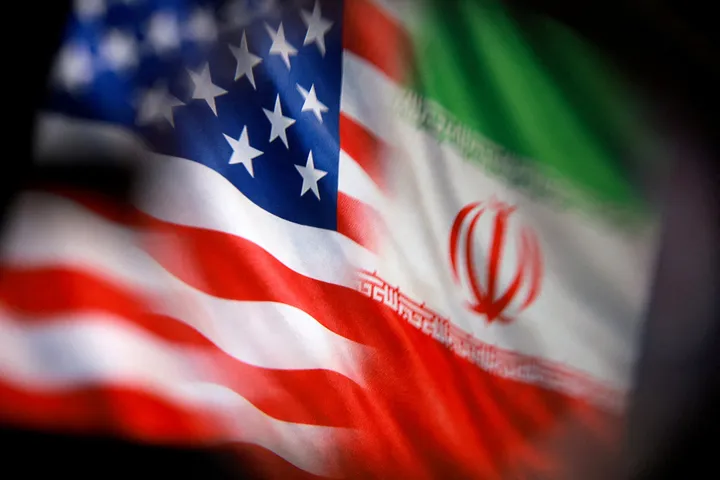

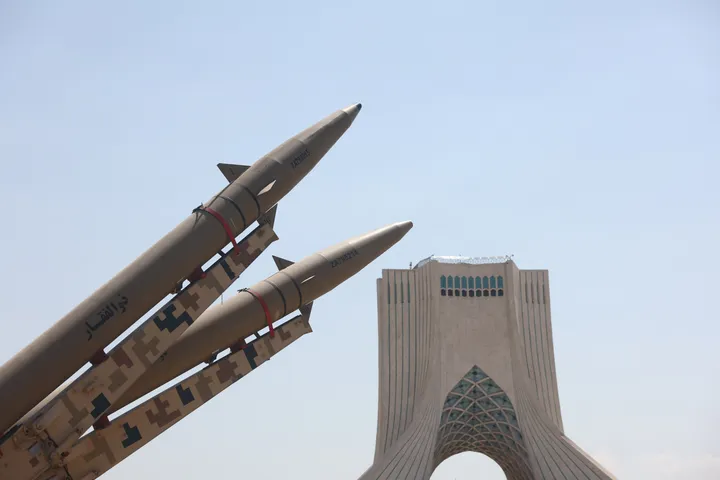




Trump has told aides he expects to resume bombing Iran by late November, the Wall Street Journal reported, which would set the stage for further Iranian strikes and more expenditures of American munitions.
'Inventory shortfalls'
The SM-6 award is the latest in a series of large munitions contracts the Pentagon has pursued this year to pressure contractors into ramping up output faster.
It follows a $20.7 billion provisional multiyear deal for Raytheon's AMRAAM missiles in late September and a $58.6 billion Patriot interceptor deal awarded to Lockheed Martin in July.
Last month, a report by the Pentagon’s inspector general on the impact of the US war against Iran found that munitions expended during the four-month campaign caused "strategic inventory shortfalls" and exposed bottlenecks in the US defense industrial base's ability to resupply weapons stocks.
The report, covering April 1 to June 30 and prepared by the Lead Inspector General framework overseeing Operation Epic Fury, cited the Office of the Under Secretary of War for Acquisition and Sustainment as saying that munitions expenditure "has resulted in strategic inventory shortfalls and revealed industrial base bottlenecks for munitions resupply."
To address the gap, the report said the Pentagon "is working to streamline procurement processes and production lead times and to stockpile critical materials, components and selected munitions to respond rapidly to a contingency."
US joined Israel in attacking Iran on February 28, with strikes quickly killing the longtime supreme leader, Ali Khamenei, and much of the other top brass as well as hundreds of civilians.
But Iran quickly hit back by exerting control over the Strait of Hormuz, the narrow passageway through which one-fifth of global oil once sailed, and it has rained missiles and drones on US-allied Gulf Arab monarchies, shattering the oil-rich countries' hard-earned reputation for stability.