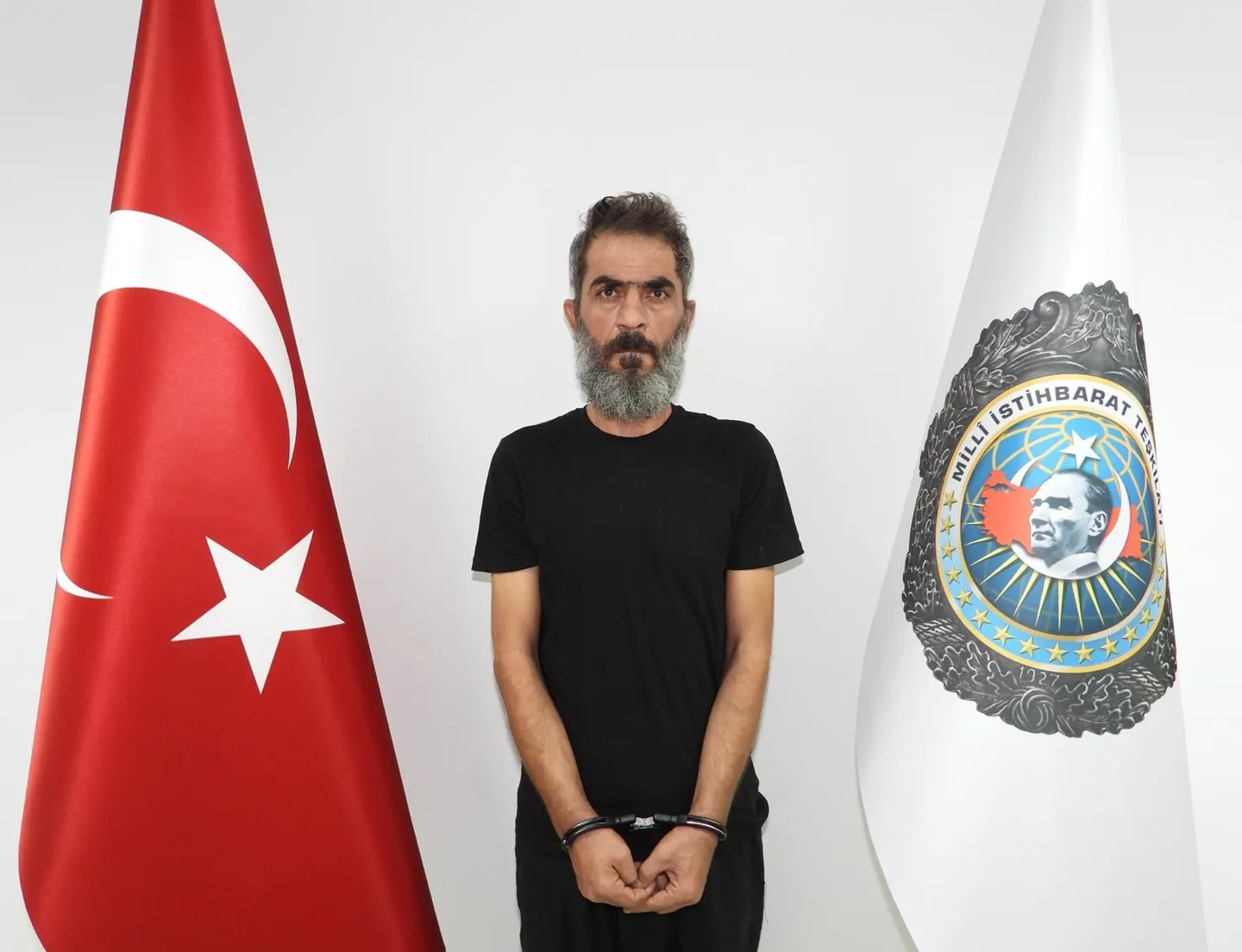
Türkiye’s National Intelligence Organization (MIT) has captured Omar al-Khatib, a Syrian suspect accused of helping plan the 2013 Reyhanli bombings near the Turkish-Syrian border that killed 53 people.
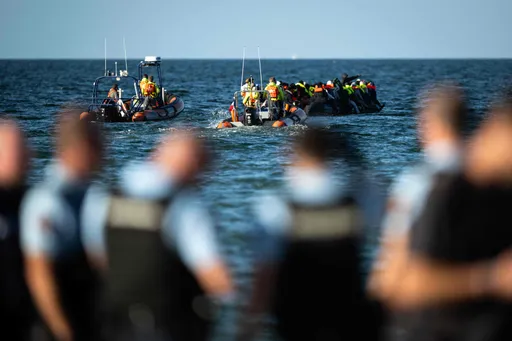
Al-Khatib, who was wanted under an Interpol Red Notice, was intercepted while attempting to flee to Europe by sea and brought to Türkiye, security sources said on Thursday.
The sources said he helped plan and organise the attack and coordinated contacts between its perpetrators and intelligence officers loyal to ousted regime leader Bashar al Assad.
MIT had been monitoring his activities in Syria as part of efforts to track down those responsible for the bombings in Türkiye’s southern Hatay province.

Planning and preparation
According to the sources, al-Khatib arranged meetings in 2013 between Yusuf Nazik, another planner of the attack, and Syrian intelligence official Kifah Melhem, during which details of the operation were decided.
Al-Khatib and Nazik entered Türkiye through Hatay in February that year to identify targets, subsequently obtaining approval from Melhem, who was based in Latakia, the sources said.
In May, before the attack, al-Khatib accompanied Temir Dukanci to the Latakia branch of Syrian military intelligence to collect materials for the explosive device, they added.


The sources said Dukanci and Nazik transported the bomb-laden vehicle to Reyhanli, where it was detonated remotely.
After the attack, the pair fled to Syria, where al-Khatib took them to the same military intelligence branch in Latakia. The sources alleged that the ousted Assad regime rewarded al-Khatib and the other perpetrators with money.

Efforts to track down suspects
MIT began tracking those responsible immediately after the bombings and closely monitored al-Khatib’s activities in Syria, the sources said.
His capture follows the arrests of Nazik in 2018, Cengiz Sertel in 2024, and Muhammed Dib Korali and Temir Dukanci in 2025.
Melhem, whom the sources identified as the major general who ordered the attack, was appointed head of the National Security Bureau by Assad in February 2024.
He fled abroad after the fall of the Assad regime, according to the sources.