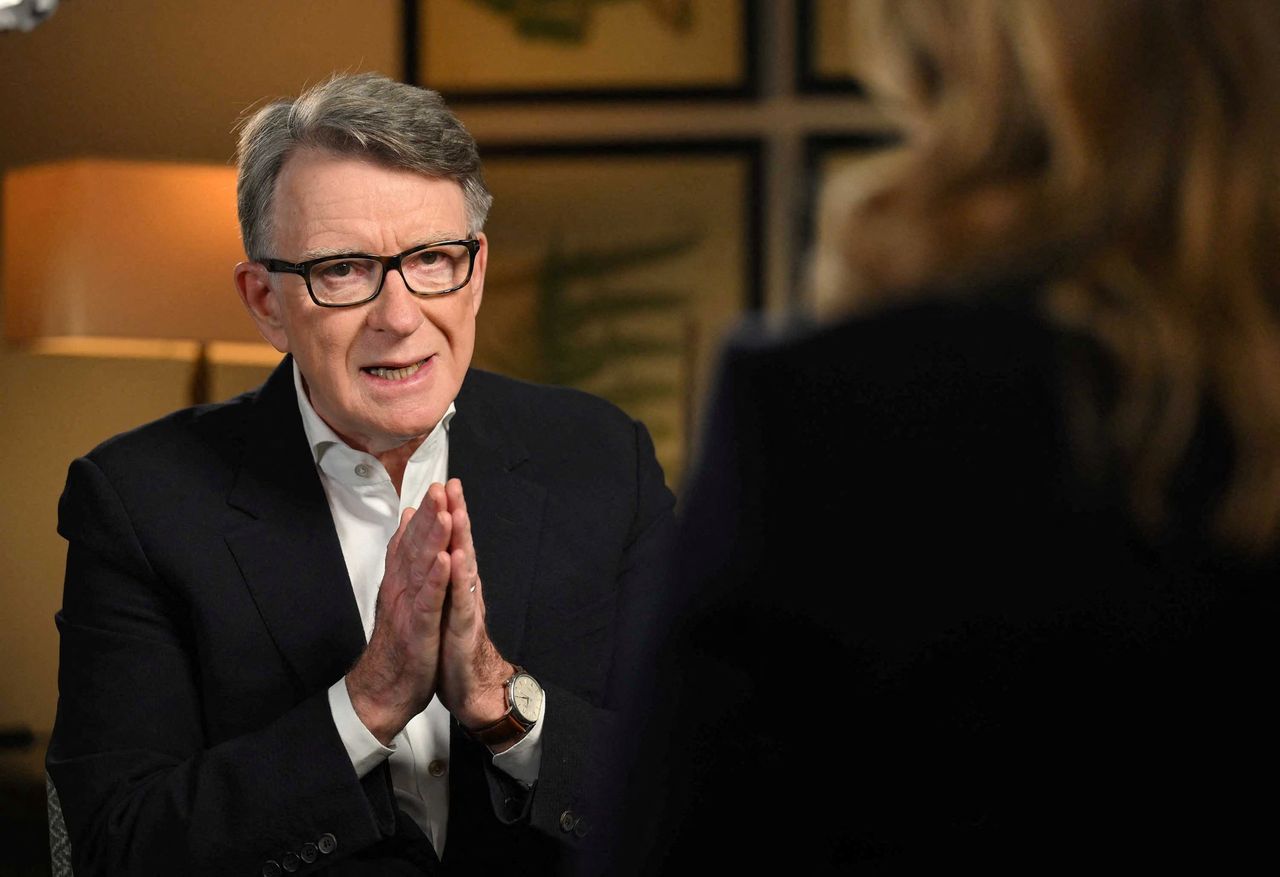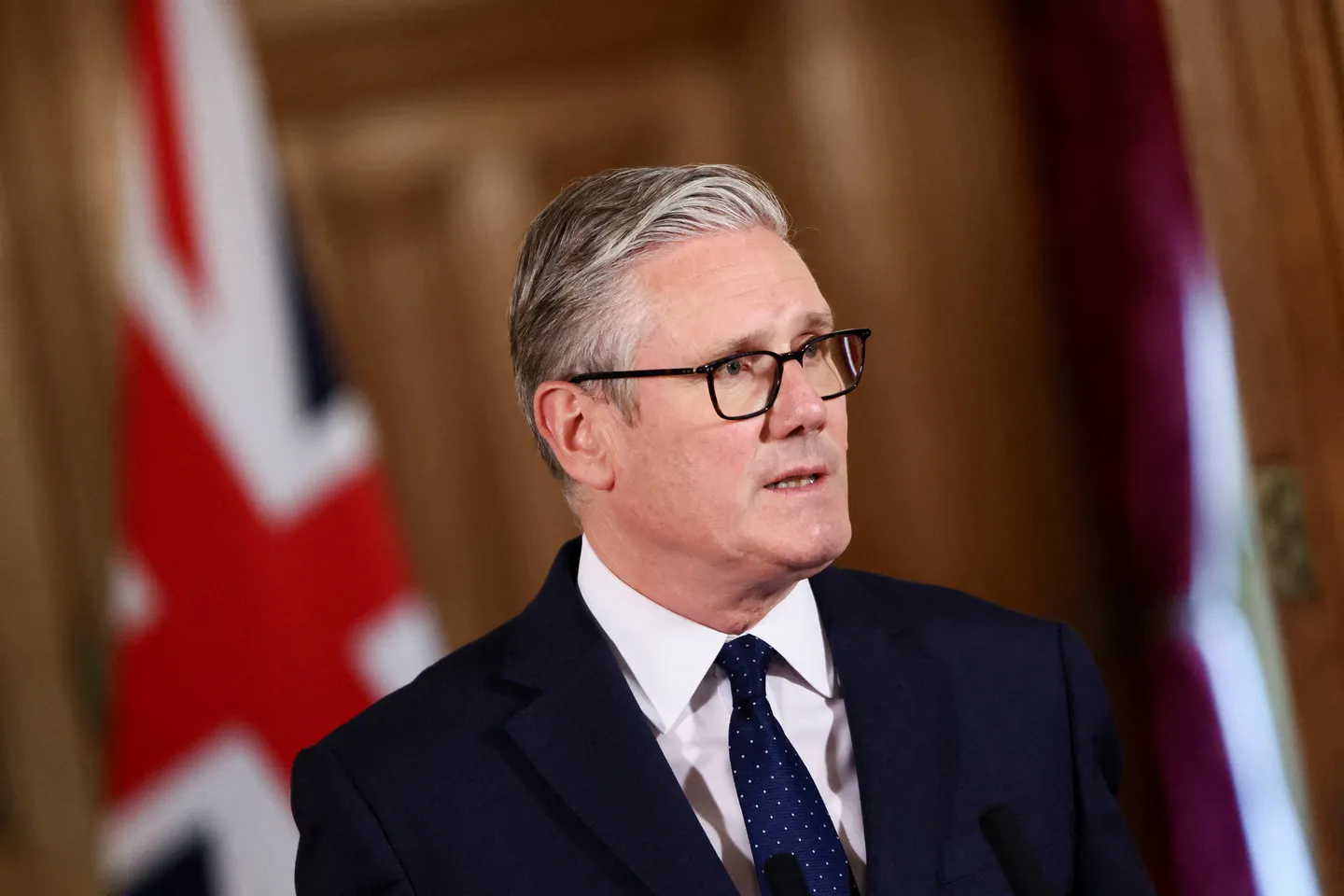
British Prime Minister Keir Starmer said on Friday he would not step down after early results in England’s local elections showed Labour losing ground while Reform UK surged ahead.
“I’m not going to walk away and plunge the country into chaos,” Starmer told reporters as results began coming in, according to BBC News.
Referring to Labour’s victory in the July 2024 general election, Starmer said voters had given him a five-year mandate.
“That is a five-year mandate to change the country,” he said.
Asked whether he intended to contest the next general election, Starmer replied: “Yes. It was a five-year term I was elected to do, I intend to see that through.”
He acknowledged the results had been difficult for Labour and said the party needed to “reflect” and “respond.”
With most votes still being counted, Reform UK was leading with 398 seats.
‘Historic shift’








The Conservative Party and Labour Party were running nearly even with 256 and 253 seats, respectively, while the Liberal Democrats followed with 249 seats.
Reform UK leader Nigel Farage described the early results as a “truly historic shift in British politics,” according to Sky News.
“We have been so used to thinking about politics in terms of left and right, and yet what Reform is able to do is win in areas that have always been Conservative,” he said.
About 5,000 seats across 136 local councils are being contested across England. Six mayoral races are also taking place in Watford and five London boroughs: Croydon, Hackney, Lewisham, Newham and Tower Hamlets.
Most councils had only begun counting votes on Friday, with full results expected by Saturday.
Voters in Scotland and Wales also cast ballots in parliamentary elections, although counting had not yet begun.
In Scotland, all 129 members of the Scottish Parliament -- the Holyrood -- are up for reelection, including 73 constituency lawmakers and 56 regional members.
In Wales, voters are choosing the next Welsh government and members of the Senedd in what has been described as the biggest change to the parliament since powers began being transferred to Wales in 1999.