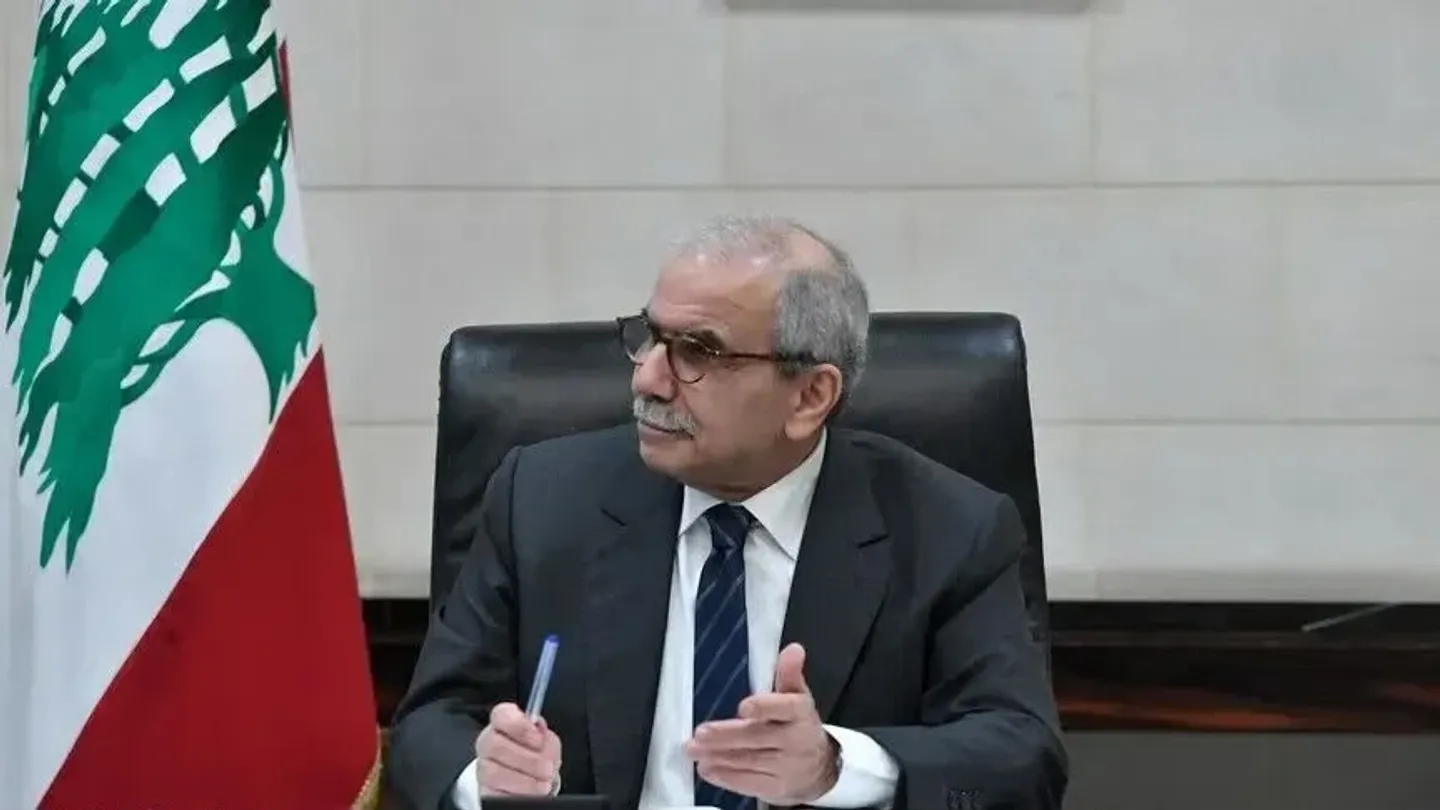
Lebanon’s economic losses from Israel’s wars since 2023 could exceed $27 billion, Prime Minister Nawaf Salam has said, warning that reconstruction is beyond the state’s current capacity and will require Arab and international funding.
Salam made the remarks on Tuesday during a general debate on government policies in parliament, saying the scale of destruction had outstripped the country’s resources.
“We must also be frank with the Lebanese people: the scale of destruction is far greater than the state’s capacity,” Salam said.
“Therefore, reconstruction and recovery require, alongside state resources, Arab and international support and major external funding,” he added.
Salam linked securing reconstruction funding to restoring confidence in the state and implementing reforms.
“There can be no sustainable reconstruction without funding, no funding without trust, and no trust without a capable state. Reaching a capable state, of course, requires reform,” he said.
Wars deepen Lebanon’s economic losses
Addressing Israel’s assault on Lebanon, Salam said Beirut “did not choose the war that overtook the country last March”.
“We were not even asked for our opinion about entering it. It was imposed on us at a time when the deep wounds of the 2023-2024 war had not yet healed,” he said.
Salam said the World Bank had estimated the total cost of the first war, which began on October 8 2023, at around $14 billion.


The figure included approximately $7.2 billion in physical damage and $6.8 billion in economic losses caused by disrupted activity and declining production and revenues, he said.
For the latest Israeli assault, which began last March, Salam said the World Bank had estimated the direct cost so far at between $3 billion and $4 billion.
“Therefore, the two wars together have certainly cost Lebanon more than $20 billion, and their total cost may exceed $27 billion once the cost of the 2026 war is fully calculated,” Salam said.
“But these figures do not fully reflect the real cost,” he added.
The prime minister said the estimates did not account for brain drain, lost investments, damage to the education sector, declining land and asset values, or delayed recovery from Lebanon’s financial crisis, which has continued since 2019.
He said preliminary estimates placed the broader economic cost beyond direct physical destruction at between $4 billion and $5 billion.
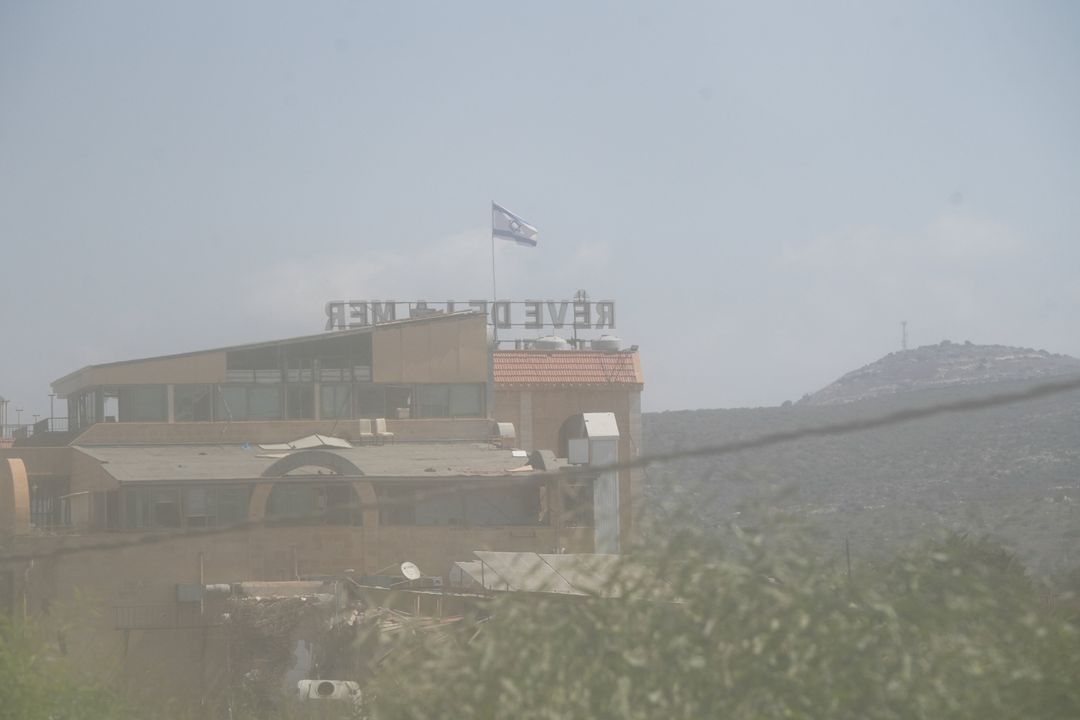
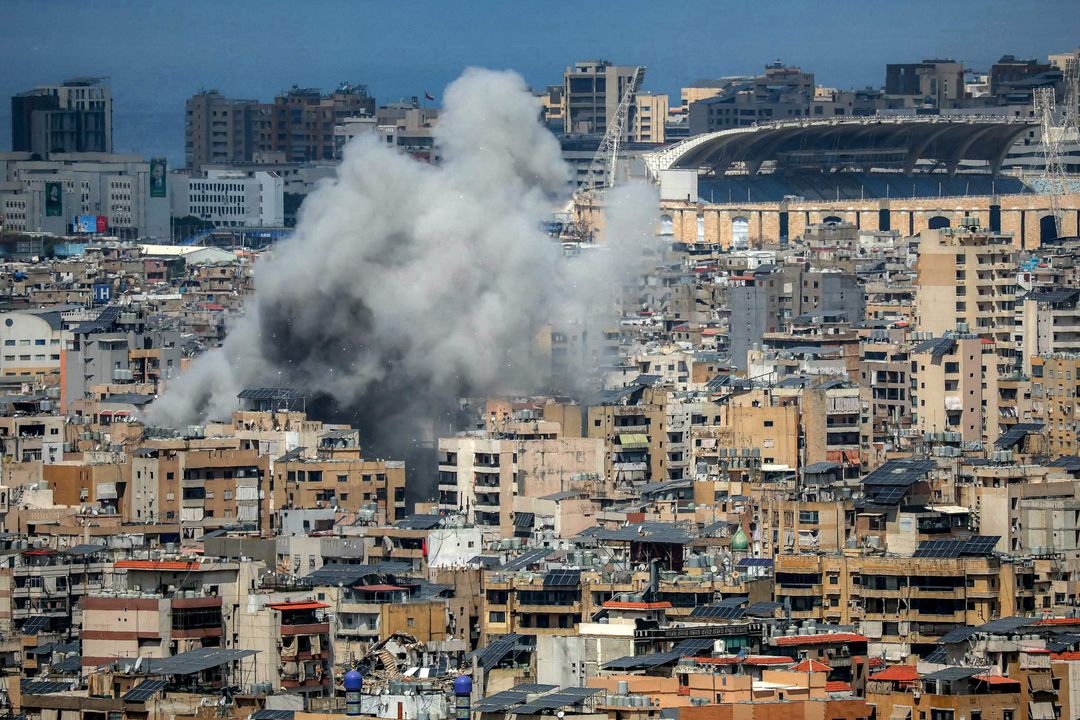
Lebanon has faced two deadly Israeli assaults since October 2023, causing widespread destruction, major damage to infrastructure and homes, and deepening the country’s economic losses.
On June 26, Beirut and Tel Aviv signed a US-sponsored framework agreement in Washington that provides for a gradual Israeli withdrawal from Lebanese territory and the deployment of the Lebanese army in areas vacated by Israeli forces.
Despite the agreement, Israel continues to launch attacks on southern Lebanon and maintains its occupation of areas in the south, some held for decades and others seized during more recent wars and military operations.