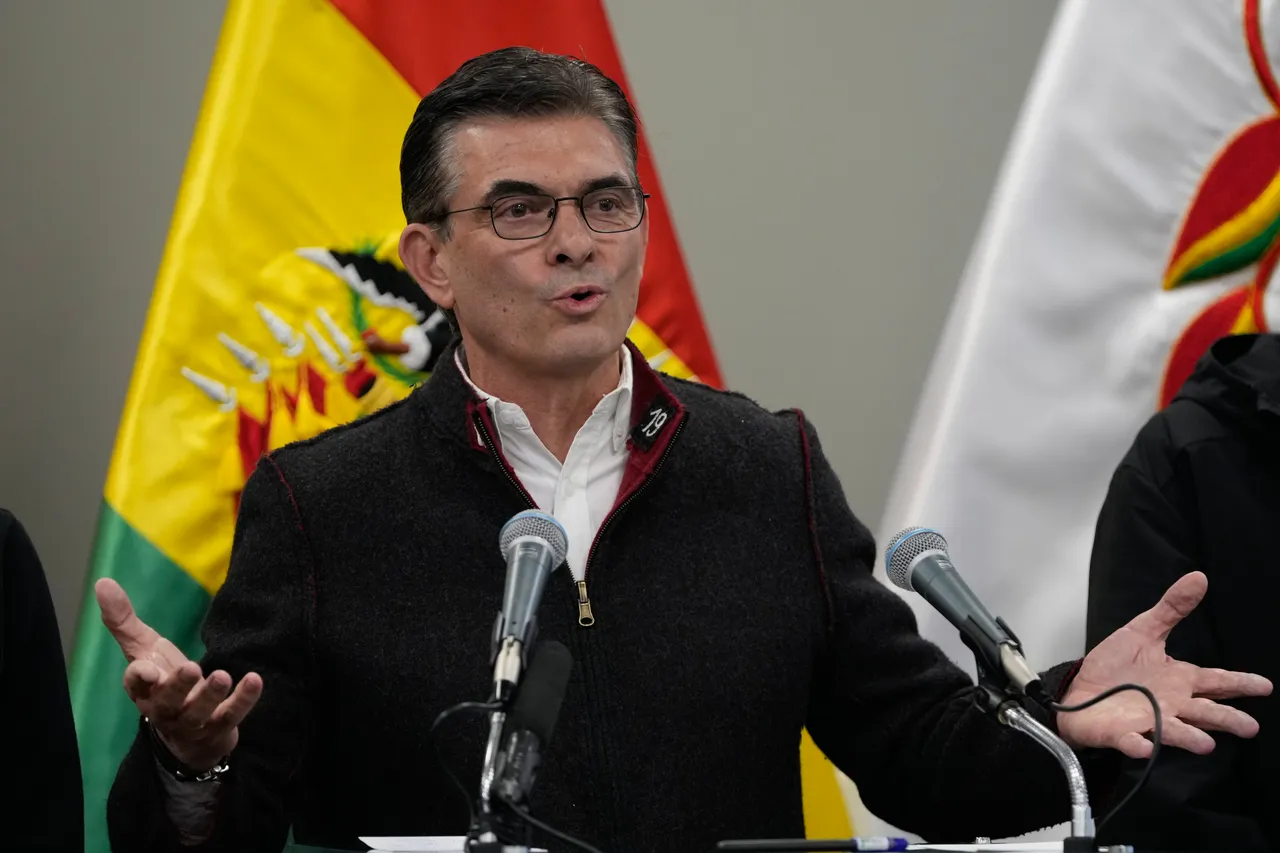
Bolivian President Rodrigo Paz has announced a 50 percent salary reduction for himself and his entire Cabinet.
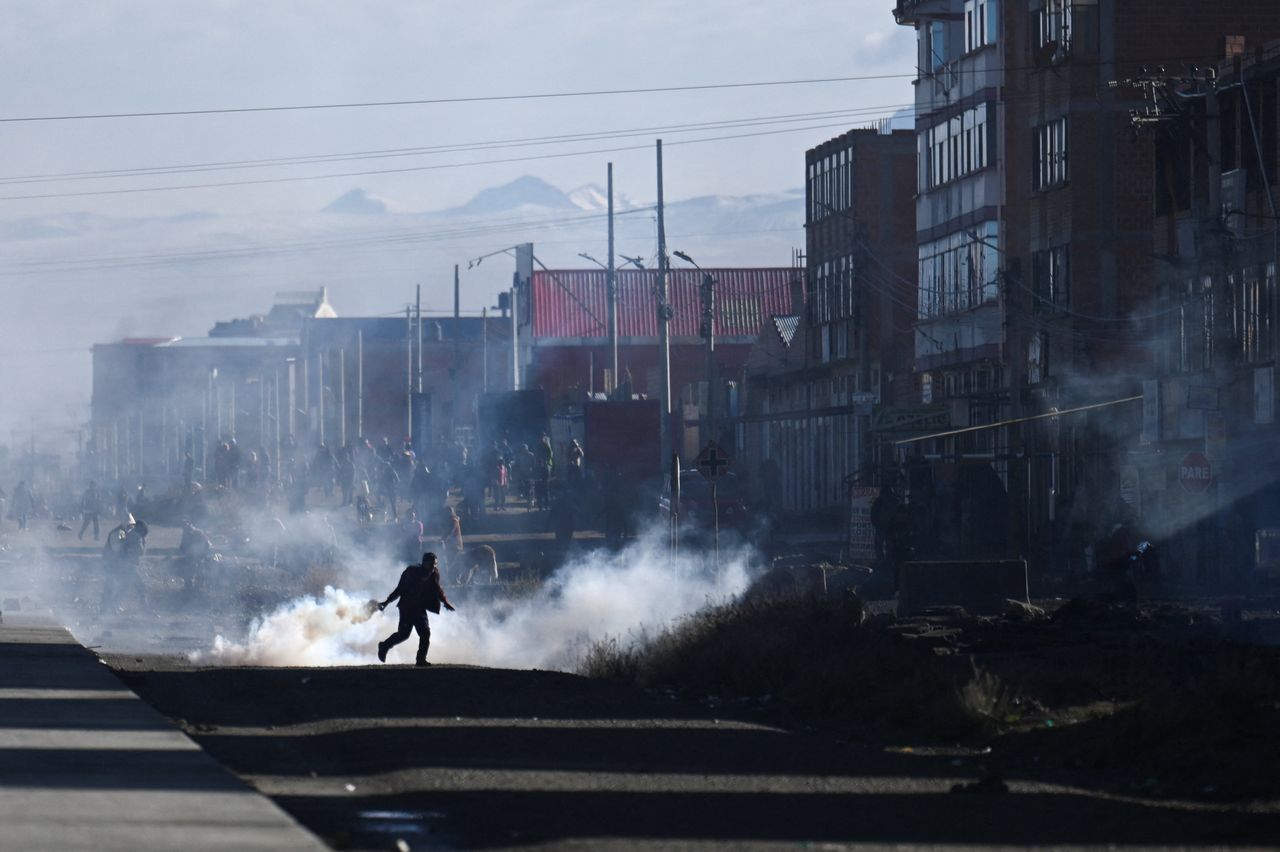
The move is a direct attempt to appease labour unions and indigenous organisations that have kept the administrative capital of La Paz under a chokehold.
The announcement came as the Andean nation entered its fourth consecutive week of paralysing protests following the total collapse of dialogue between the government and protest leaders.
"This president, alongside his ministers, has made the decision—as part of our profound commitment and sacrifice for the country—to reduce our salaries by 50%," Paz declared during a public address.
Prior to the decree, the president earned a monthly salary of 24,978 Bolivianos, the legally mandated maximum salary for any public official in the country.
With the reduction, his salary will drop to 12,489 Bolivianos.
Austerity measures
Paz assumed office in late 2025 on a platform aimed at dismantling two decades of leftist economic policies enacted by his predecessors, Evo Morales and Luis Arce.




Seeking to stabilise public finances, Paz pivoted toward international financial institutions and private business sectors.
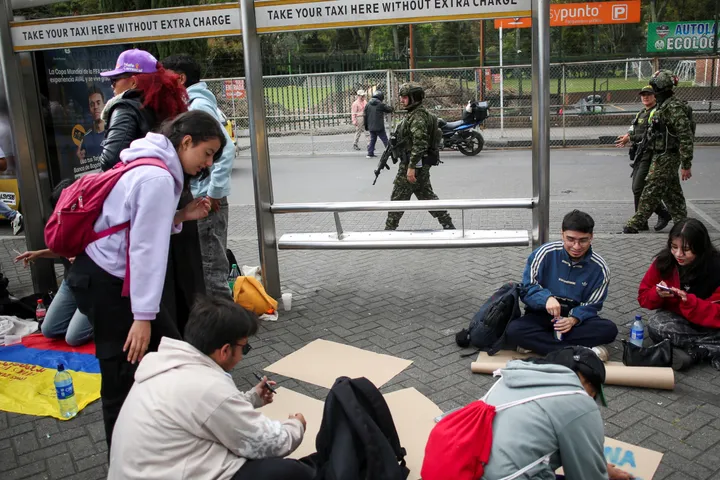
Since early May, indigenous groups, miners, teachers, and factory workers have maintained relentless roadblocks.
The disruptions have fractured national supply chains, triggering acute shortages of food, fuel, and medical supplies in major urban centres, devastating markets, and paralysing hospitals.
While protesters demand a reversal of austerity measures to counter the cost of living, Paz has defended his spending cuts and the reduction of state fuel subsidies as necessary to stabilise the economy.
The salary cuts were announced just 24 hours after a highly anticipated dialogue between the government and indigenous leaders collapsed.
The Paz administration has repeatedly asserted that behind the social chaos lies former president Evo Morales, who they claim is manipulating the unions in a desperate bid to force a return to power.
Morales was legally barred from competing in the 2025 election that brought Paz to power.