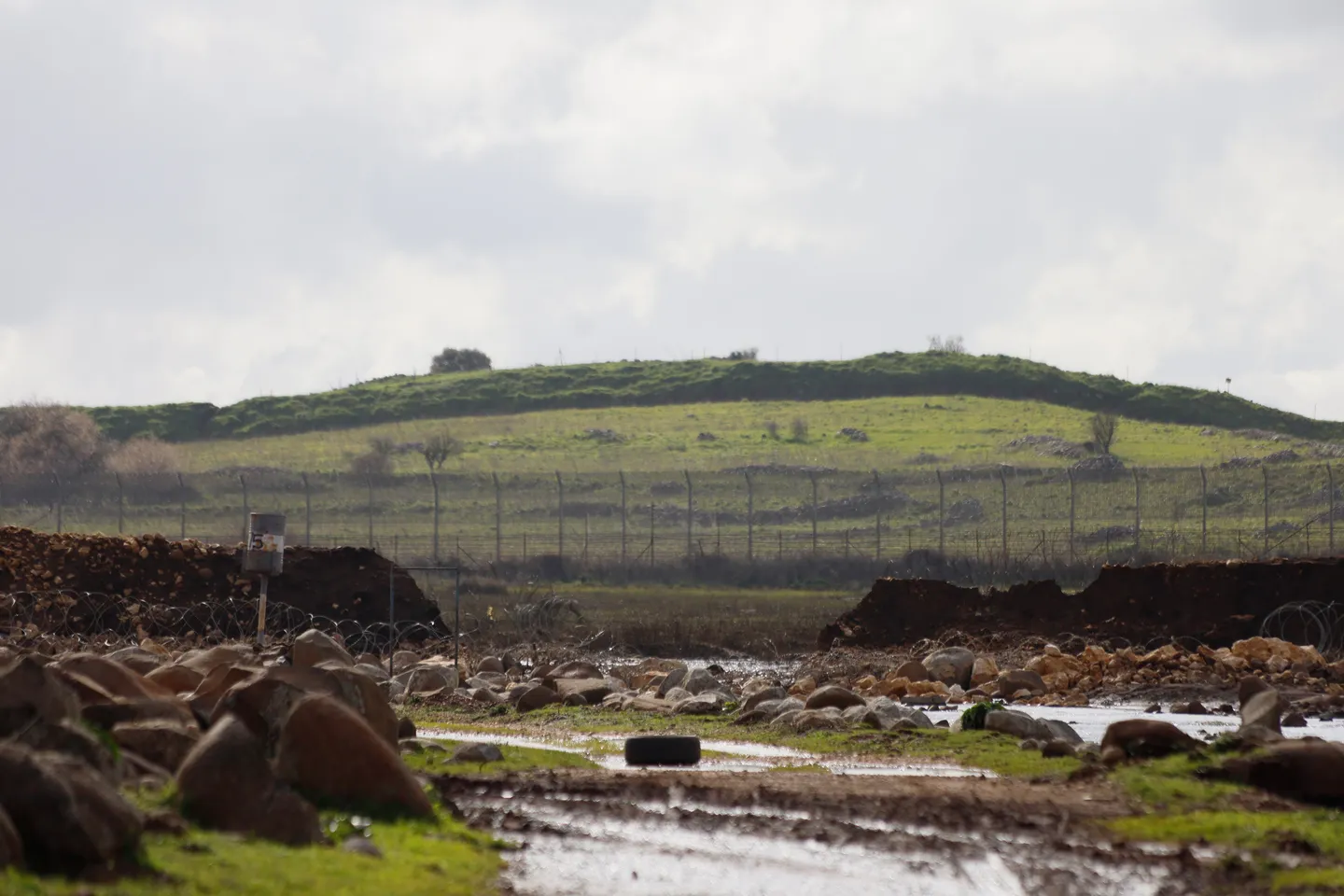
A UN official has called on Israel to immediately halt its military activity in southern Syria and release civilians held by Israel, warning that near-daily incursions and detentions are undermining Syria's fragile political transition.
"Israeli military activity in southern Syria has continued, including in violation of the 1974 Disengagement of Forces Agreement," UN Deputy Special Envoy for Syria Claudio Cordone told a UN Security Council session on Syria on Monday.
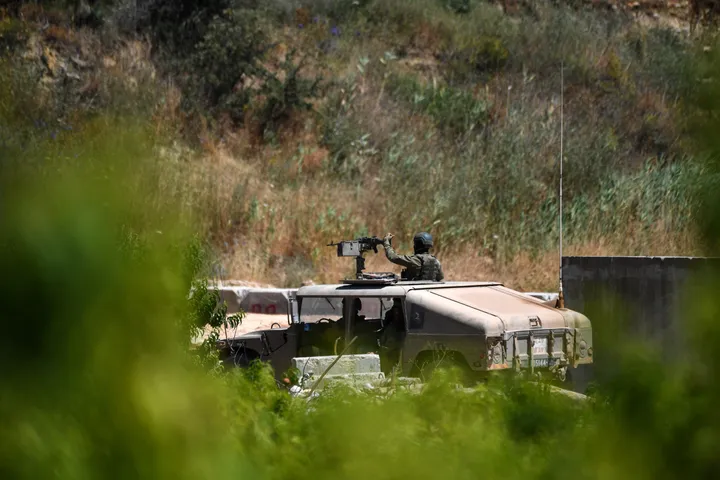
Cordone said Israeli forces had been "establishing temporary checkpoints and carrying out searches and detentions of civilians", adding that some detainees had been released following interrogation, while others "reportedly remain in Israeli custody".
He said protests had taken place demanding their release.
He also reported damage to agricultural lands, restrictions on Syrian civilian access, and a separate incident involving Israeli occupiers crossing into Syrian territory before being returned by the Israeli forces.
"We strongly reiterate our call on Israel to adhere to the 1974 Agreement, release those illegally detained and respect Syria's sovereignty and territorial integrity," Cordone said.
Syria’s counterterrorism efforts
On counterterrorism, Cordone welcomed Syrian authorities' extensive operations over the past three months, citing more than 230 arrests, including foreign nationals, the dismantling of seven cells linked to Daesh, and the seizure of weapons and equipment across several governorates.
He also praised Damascus for working to insulate Syria from wider regional conflicts, saying Syrian security forces had "reportedly blocked attempts to transfer rockets from Syria into Lebanon" and launched further operations against cross-border smuggling networks.




On the political transition, Cordone said Syria needed its People's Assembly to begin its work and called for women and all of Syria's various communities to feel "meaningfully represented" in it.
"I welcome that women are being trained into the Ministry of Interior's law enforcement units," he said, adding that "it is equally important that women have a meaningful role in drafting the laws they are meant to enforce."
Humanitarian assistance
Turning to the humanitarian front, Acting Assistant Secretary-General for Humanitarian Affairs Indrika Ratwatte said Syria stood at a genuine turning point after more than a decade of crisis.
"A better future for Syria remains within reach," he told the council, adding: "After more than a decade of crisis, there is now a genuine opportunity to help Syrians move from survival towards recovery."
Warning that humanitarian needs remained acute, Ratwatte stressed that displacement persisted, and conditions for sustainable returns were still uneven. He pointed to recent flooding along the Euphrates that affected more than 17,600 people, damaged farmland, and disrupted critical infrastructure.
He warned that the $2.92 billion humanitarian appeal for Syria was only 20 percent funded as of mid-year and made three requests of the council: sustain a humanitarian response through predictable and flexible funding, address barriers preventing people from rebuilding their lives, and invest in long-term recovery and reconstruction.
"Syria does not need narrow thinking that separates humanitarian response from recovery, or recovery from long-term stability," he said.