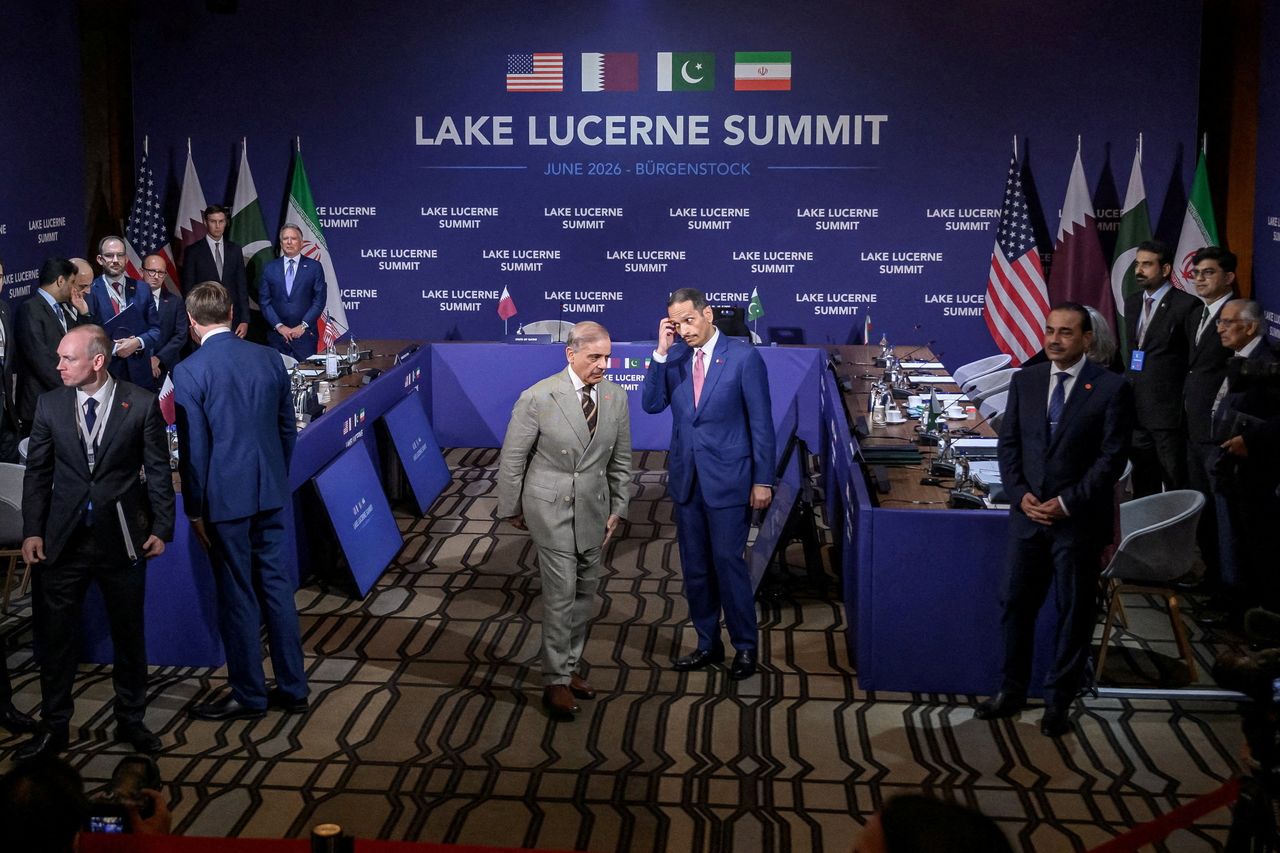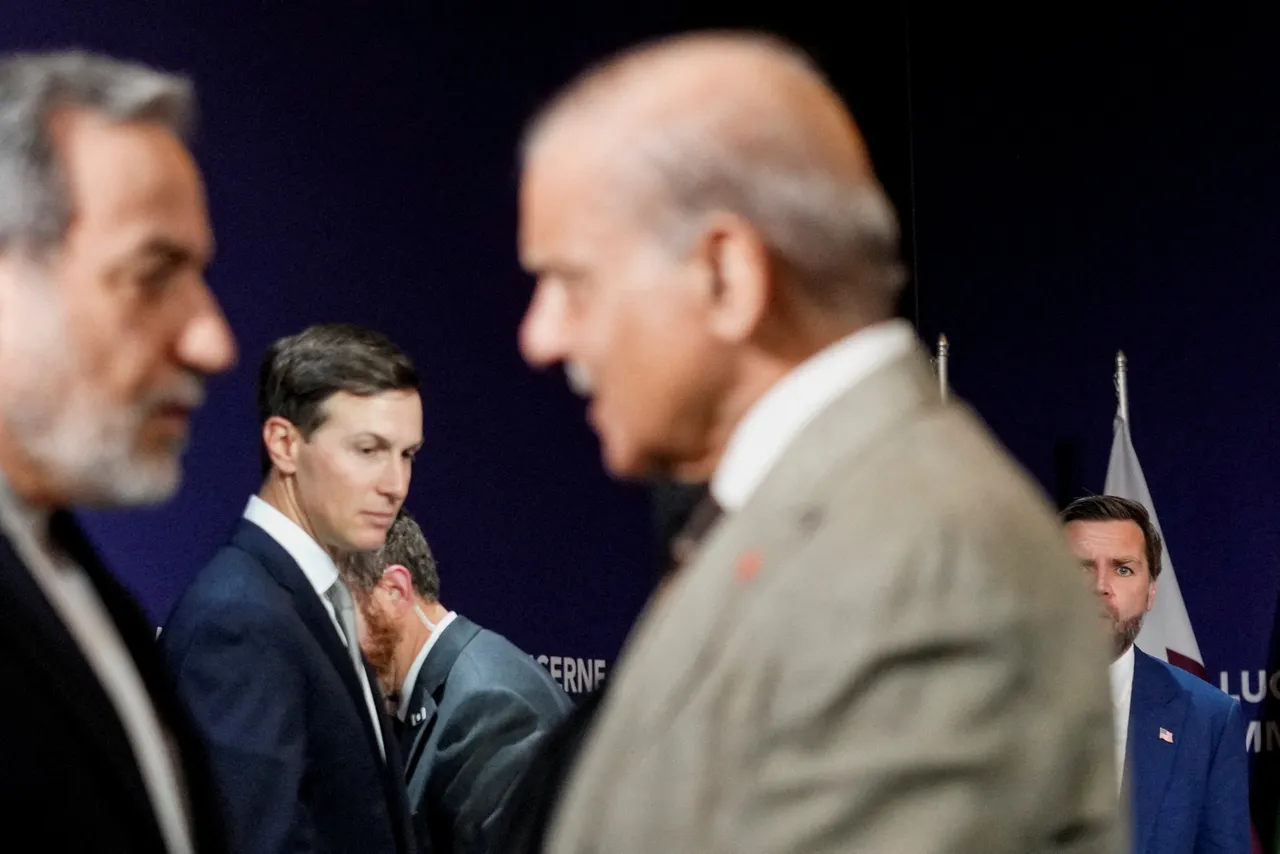
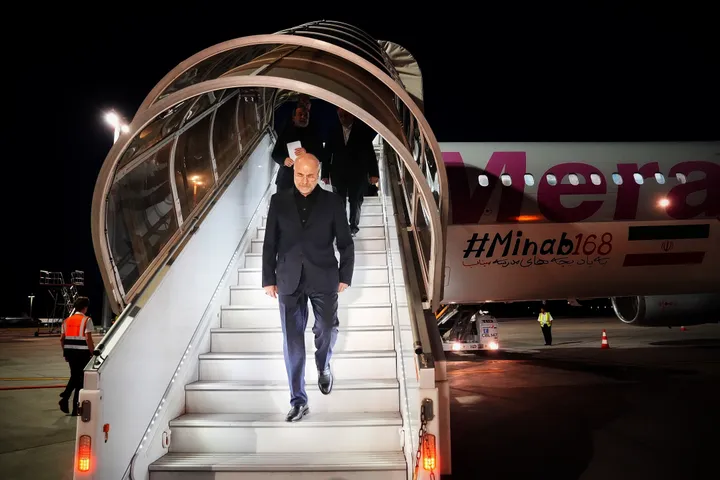
The first round of talks between high-ranking US and Iranian officials in Switzerland has ended, mediators said, after a tense opening marked by Tehran's announcement it had again closed the Strait of Hormuz and US President Donald Trump repeating his threats to resume attacks on Iran.
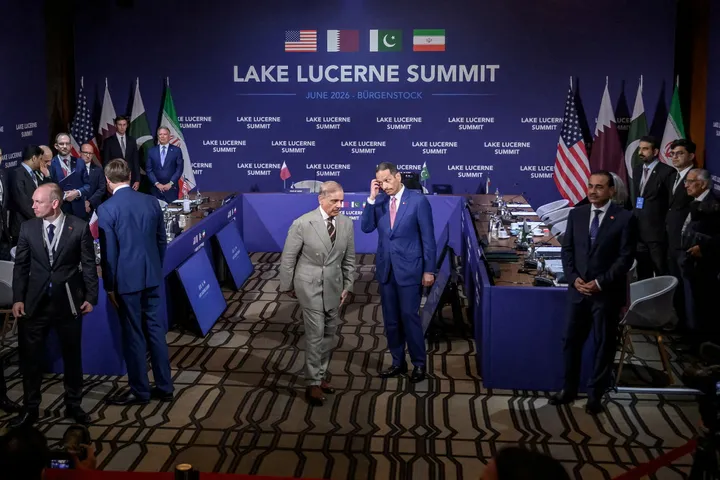
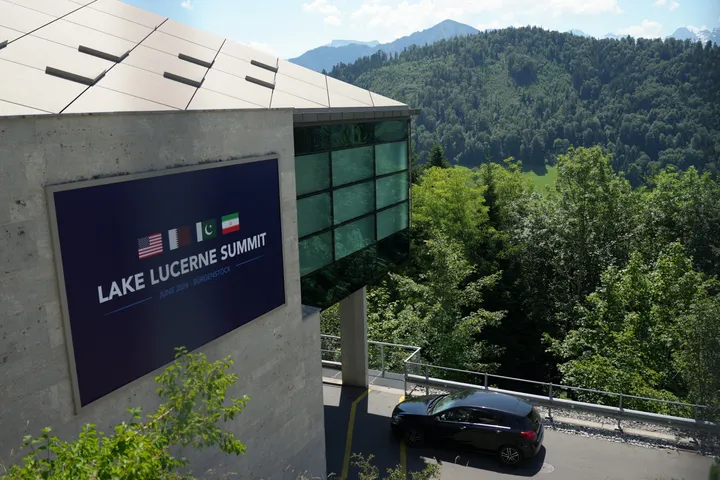
A joint statement from mediating nations Qatar and Pakistan said the US and Iran agreed to a roadmap toward a final deal within 60 days. Technical talks will continue for the rest of the week at the Qatari-owned Swiss mountain resort of Burgenstock, according to the statement released by the Qatari foreign ministry.
The parties agreed to a mechanism to end the fighting in Lebanon and opened a communications line to help ensure safe passages for commercial ships through the contested strait, the statement said.
In a post on social media, Iranian Foreign Minister Abbas Araqchi said his country had secured waivers for oil and petrochemical exports, the release of some frozen assets and the launch of a reconstruction and development plan for Iran.
The White House had no immediate comment when asked if talks had wrapped for now.
Iran's semi-official Tasnim news agency, Iranians said that the start of negotiations on nuclear matters required the delivery of other parts of the MOU, including the release of frozen assets and US waivers authorising Iranian oil exports.
Meanwhile, Araghchi said early Monday that negotiations with the US in Switzerland, facilitated by Pakistan and Qatar, had produced significant progress toward ending the war in Lebanon and easing pressure on Iran's economy.
"Tireless Pakistani and Qatari mediation has delivered major progress to end Lebanon War. Oil and petrochem exports are waived, blockade lifted, some frozen assets released, and major reconstruction & development plan launched for Iran," Araghchi said on the US social media platform X.
"1st real test: Lebanon deconfliction cell," Araghchi said.
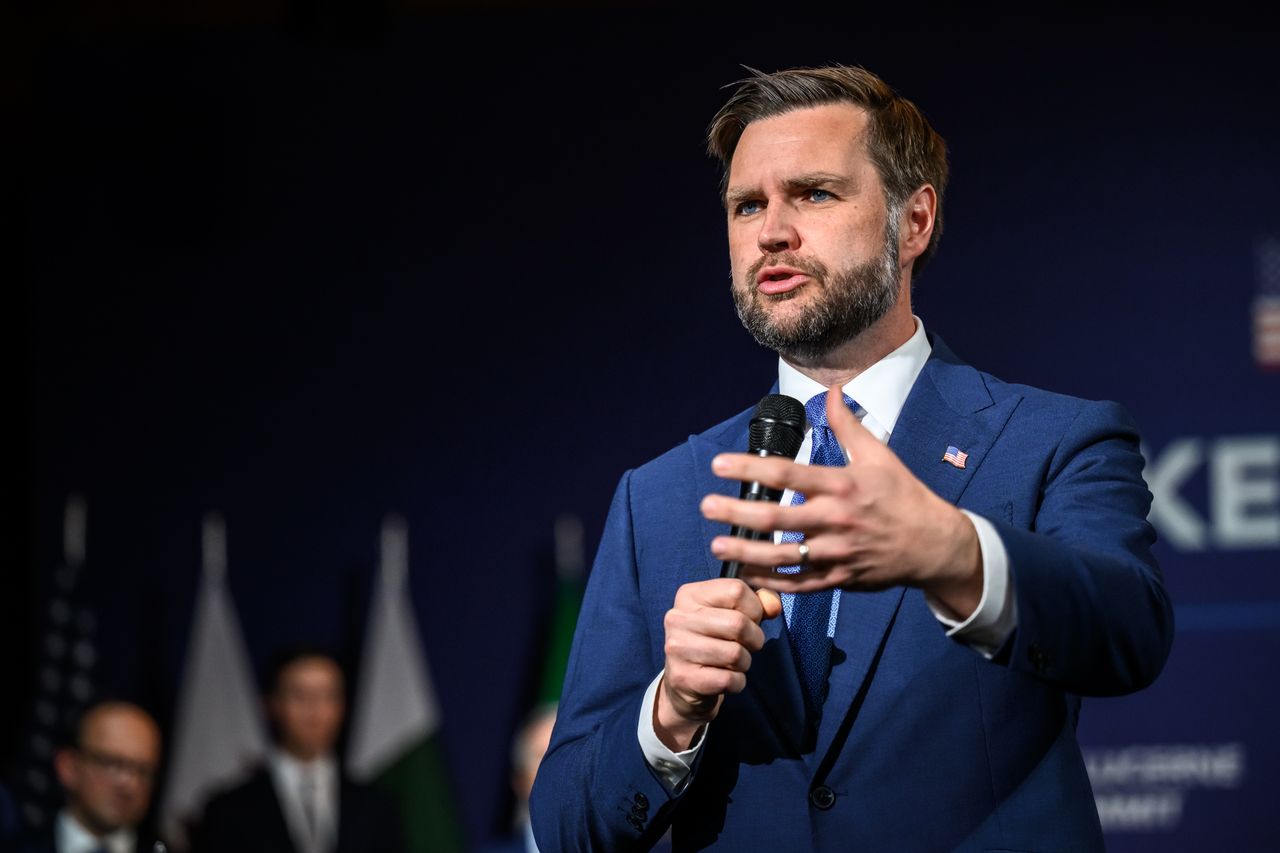
“A little bit messy”
In a separate statement, the Iranian foreign minister framed the diplomatic developments as part of a broader national effort.
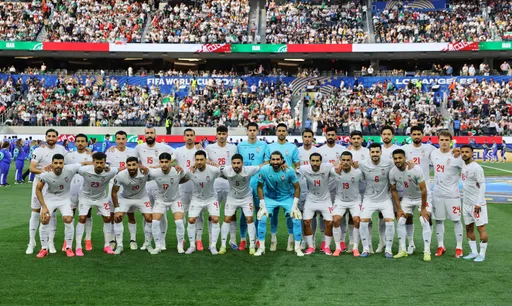
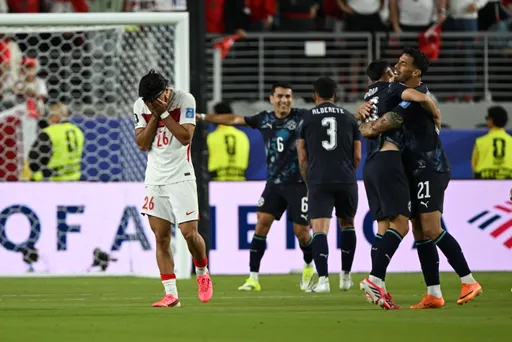
"From the football pitch to the negotiating table to the battlefield, every step we take as Iranians is part of a larger struggle: defending the honor and dignity of our dear people," he said.

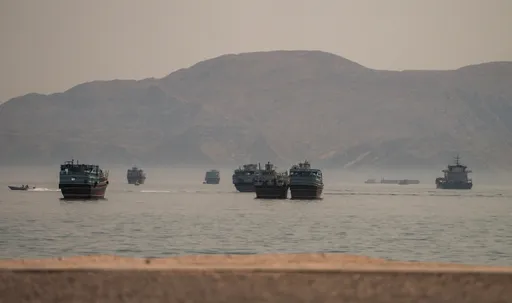
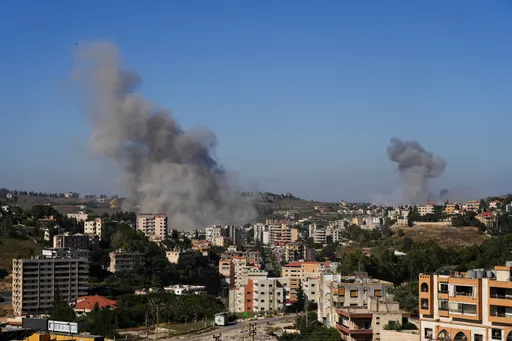
The agreement called for reopening the Strait of Hormuz, a choke point for global energy shipments, and ending all hostilities, including in Lebanon, where Israel has continued to launch deadly strikes.
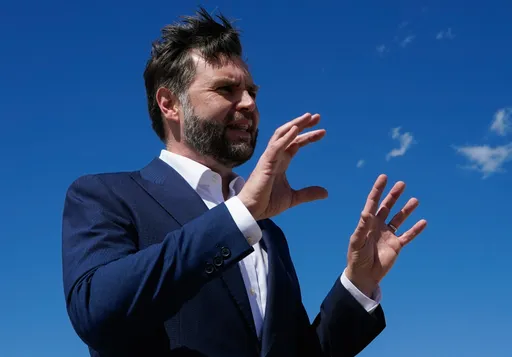
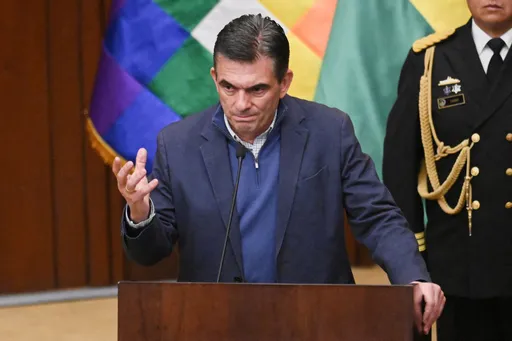
At the talks in Switzerland, where US and Iranian officials met in the presence of Qatari mediators, Vance played down the impact of violence in Lebanon, saying progress had been made towards ending hostilities there.
"These things are always a little bit messy," he said.
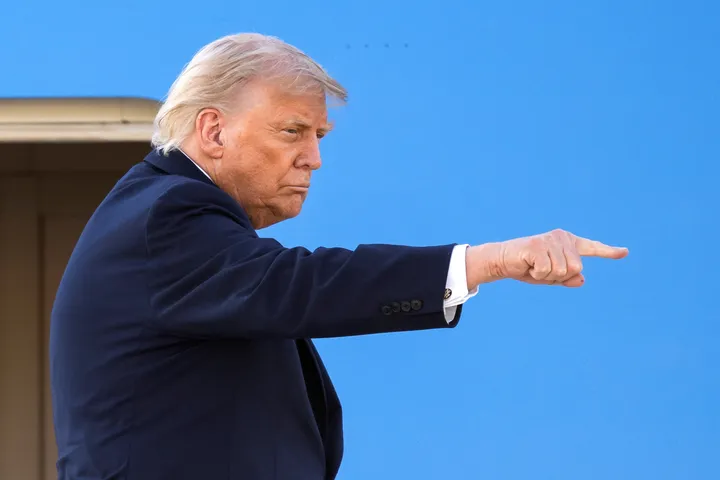
Back in the US, Trump threatened to resume attacks on Iran if it did not rein in its allies.
"Iran must immediately stop their highly paid PROXIES in Lebanon from causing trouble," Trump wrote on social media, apparently referring to Hezbollah. "If they don't, we'll hit Iran very hard again, just like we did last week, only harder!!!"
Even as Trump was threatening Iran, Vance told reporters the US president had "asked us to turn over a new leaf to transform our relationship with the people of Iran."
Despite the announcement of a new ceasefire in Lebanon on Friday, there has been scant sign of an end to fighting there.
Iran said on Saturday that, as a result, it had again closed the strait, whose closure for nearly four months caused the biggest disruption to global energy supplies in history.
Iran's Fars news agency cited a military source as saying on Sunday that no new permits were being issued for ships to cross until further notice.
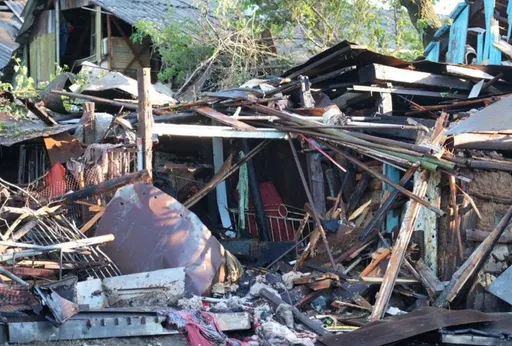
Sunday appeared to be the quietest day in Lebanon for some time, with no reports of major violence by nightfall, after two days of heavy Israeli strikes.