The United States has moved to ban dairy products, most alcoholic beverages, and motorcycles from Canada, the White House confirmed, as the trade dispute between the two neighbours escalates.
The ban will take effect in three weeks, following Canada's decision earlier on Tuesday to implement retaliatory tariffs on $20 billion of US imports.
US President Donald Trump also acted to shut Canadian products out of major, long-term US government contracts, directing the General Services Administration to declare Canadian goods ineligible until Ottawa permits "full and fair reciprocity" for American products.
Canadian Prime Minister Mark Carney defended his government's retaliation, asserting that Canada's broader strategy centres on economic independence: "It's about ensuring that no country can hold us hostage. And that we can live how we want to live."
The breakdown has upended relations between the historic allies.
On August 22, Washington imposed 50 percent tariffs on approximately 5 percent of Canadian imports, accusing Ottawa of unfairly treating American dairy, alcohol, and automotive sectors.
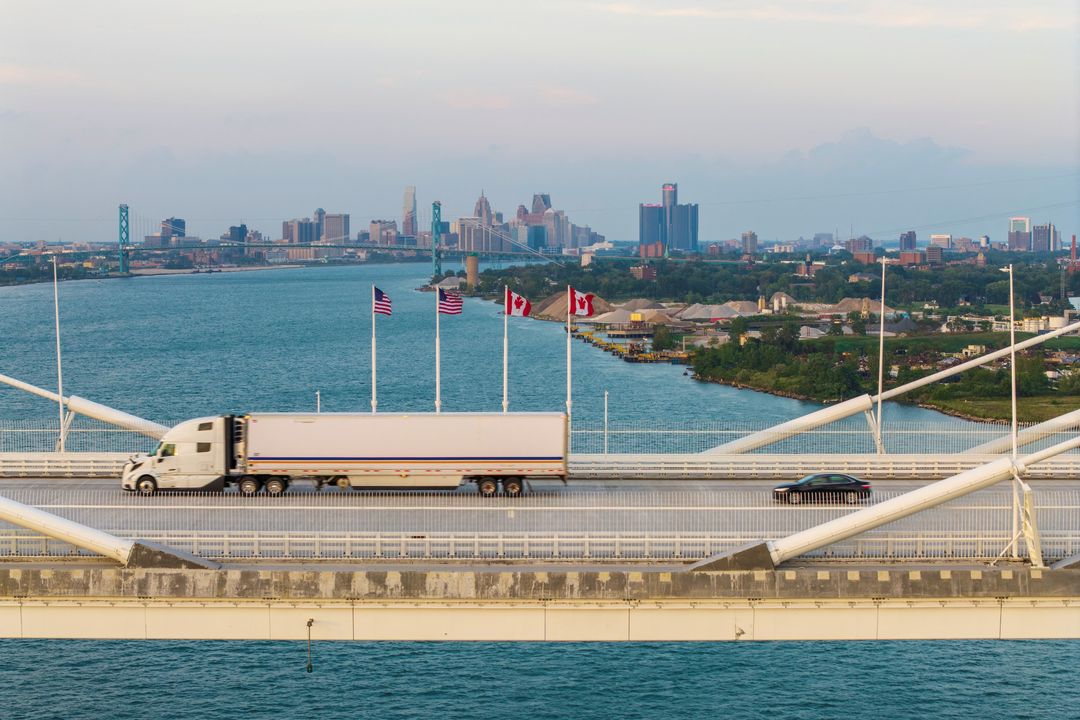
Ottawa diversifies trade
Carney acknowledged the dispute would cause short-term disruption but maintained it would accelerate domestic investment and global trade diversification.








With over 70 percent of Canadian exports currently directed to the US, Carney noted that shipments to other destinations are projected to double over the next decade.
"It was easy business, but it meant we relied too much on one economic partner," Carney said.
"That time is over."
Carney argued that collapsed negotiations broke down because Washington sought structural subservience rather than partnership, demanding concessions on cultural protections and key industries like automotive, steel, and forestry.
Ottawa's counter-tariffs affect hundreds of US commodities—including steel, aluminium, cheese, appliances, and agricultural equipment—at rates ranging from 15 percent to 50 percent.
A Canadian official confirmed that Ottawa is also exploring closer structural ties with the European Union, with Carney scheduled to address the European Parliament next week.
Neither capital appears prepared to yield.
Former US trade official Wendy Cutler observed that with Carney's domestic approval rating exceeding 70 percent, neither side wants to appear eager to negotiate for fear of projecting weakness.