Iran’s Armed Forces General Staff has issued a nationwide passive defence directive outlining preparations for three possible scenarios: full-scale war, a ceasefire and the end of hostilities, state media reported on Tuesday.
Major General Ali Abdollahi, chief of staff of the Iranian Armed Forces and chairman of the Permanent Passive Defence Committee, issued the 10-article directive for Iran’s 2026 Passive Defence Commemoration programmes, according to Fars News Agency.
Different measures for different scenarios
Under the full-scale war scenario, large public gatherings and in-person events would be suspended, with activities instead focused on operational readiness, maintaining essential services, managing resources, assisting the public and coordinating between relevant agencies.
If a ceasefire is reached without a permanent end to hostilities, the directive prioritises public preparedness, vigilance against hybrid warfare and information security.
Under an end-of-war scenario, authorities would fully implement planned exercises, training programmes and public activities.
The directive also calls for operational plans to be updated based on lessons from what Iran describes as its “second and third imposed wars.”
Directive issued amid ongoing US-Israeli war on Iran
Iran has issued similar 10-article directives for its annual Passive Defence Commemoration programmes in 2024 and 2025, focusing on public preparedness and protecting critical infrastructure.
The latest directive differs by explicitly preparing for three possible outcomes amid the ongoing US-Israeli war on Iran.
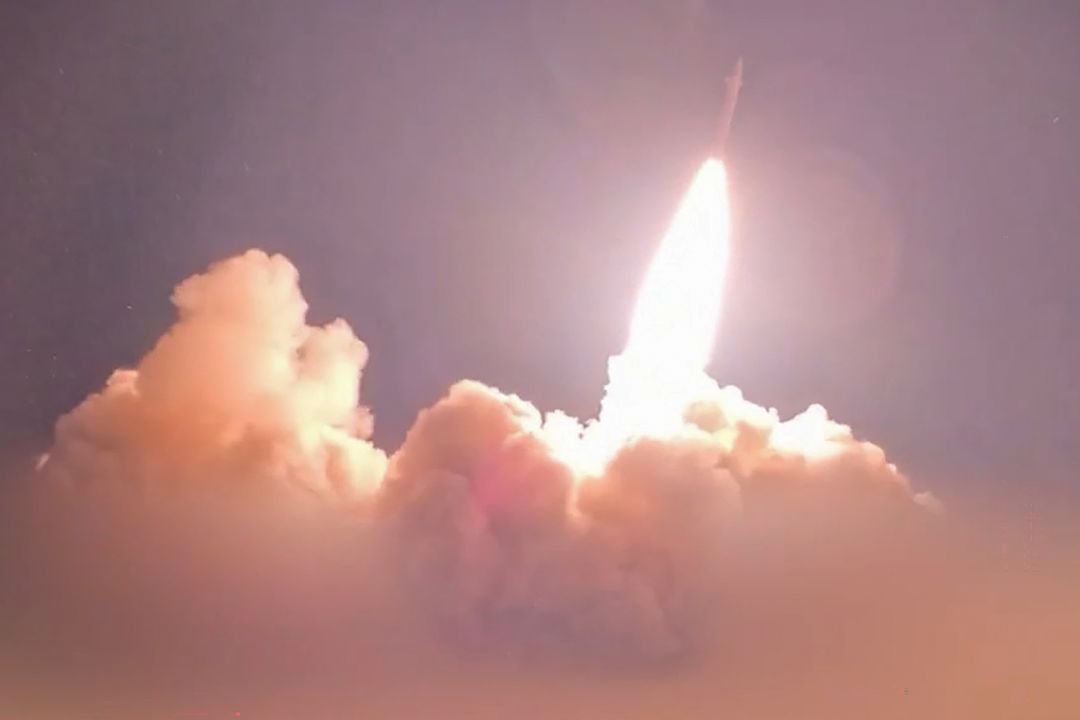
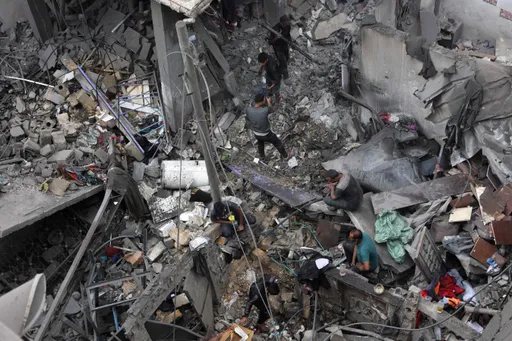
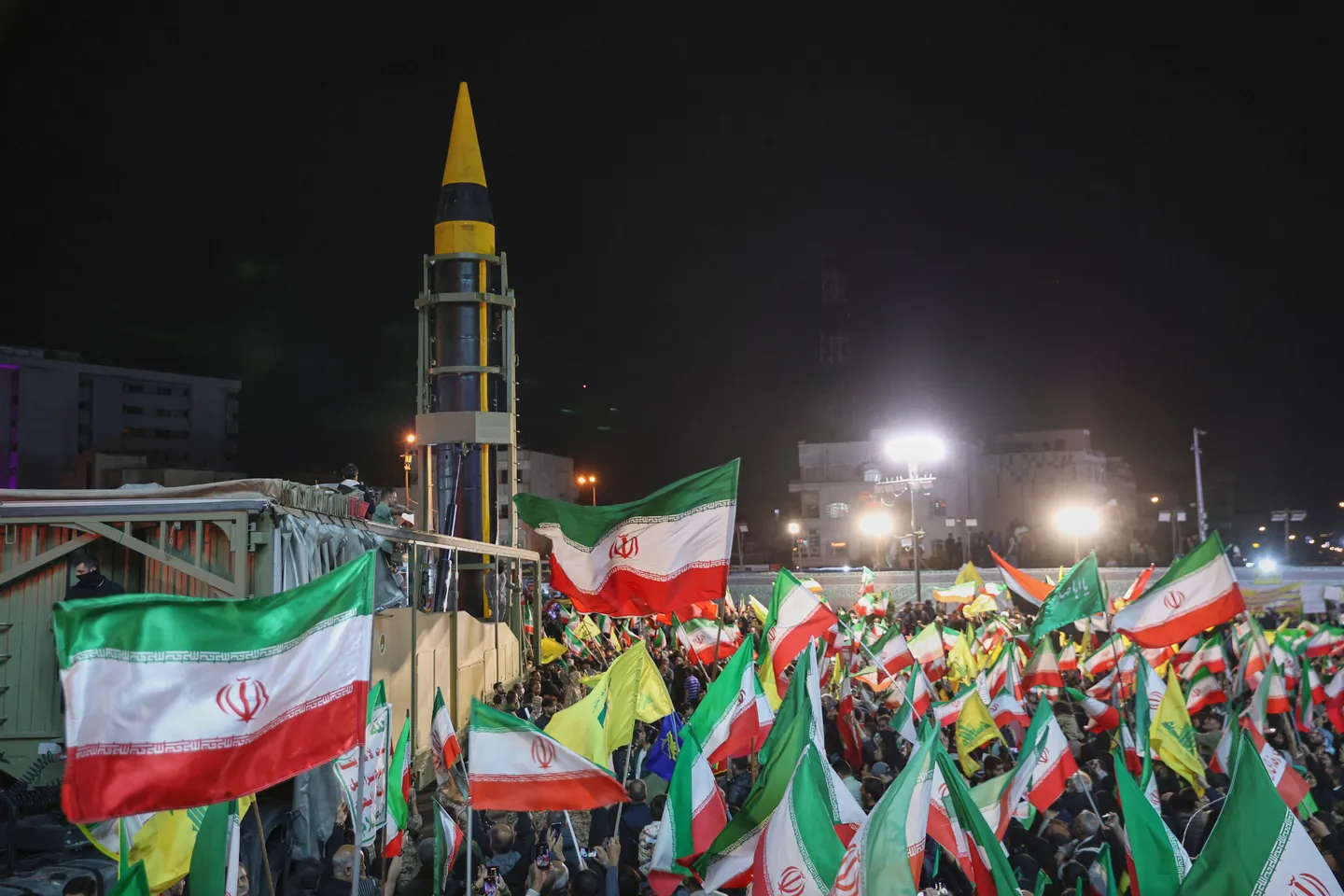
The US and Israel launched large-scale attacks on Iran on February 28, targeting government buildings, military facilities, missile infrastructure and air defences. Iran responded with missile and drone attacks against Israel and US bases across the region.
The conflict has since spread across the region as diplomatic efforts continue to seek an end to the hostilities.
Before the current war, Iran and Israel fought a 12-day conflict in June 2025 that ended with a US-brokered ceasefire.