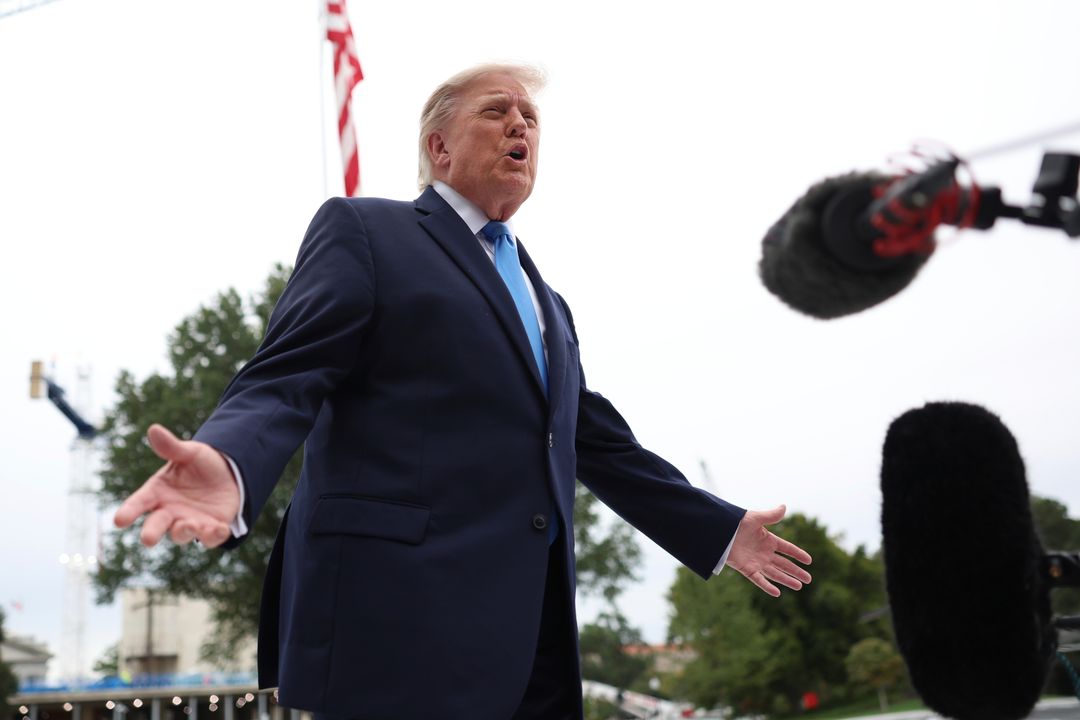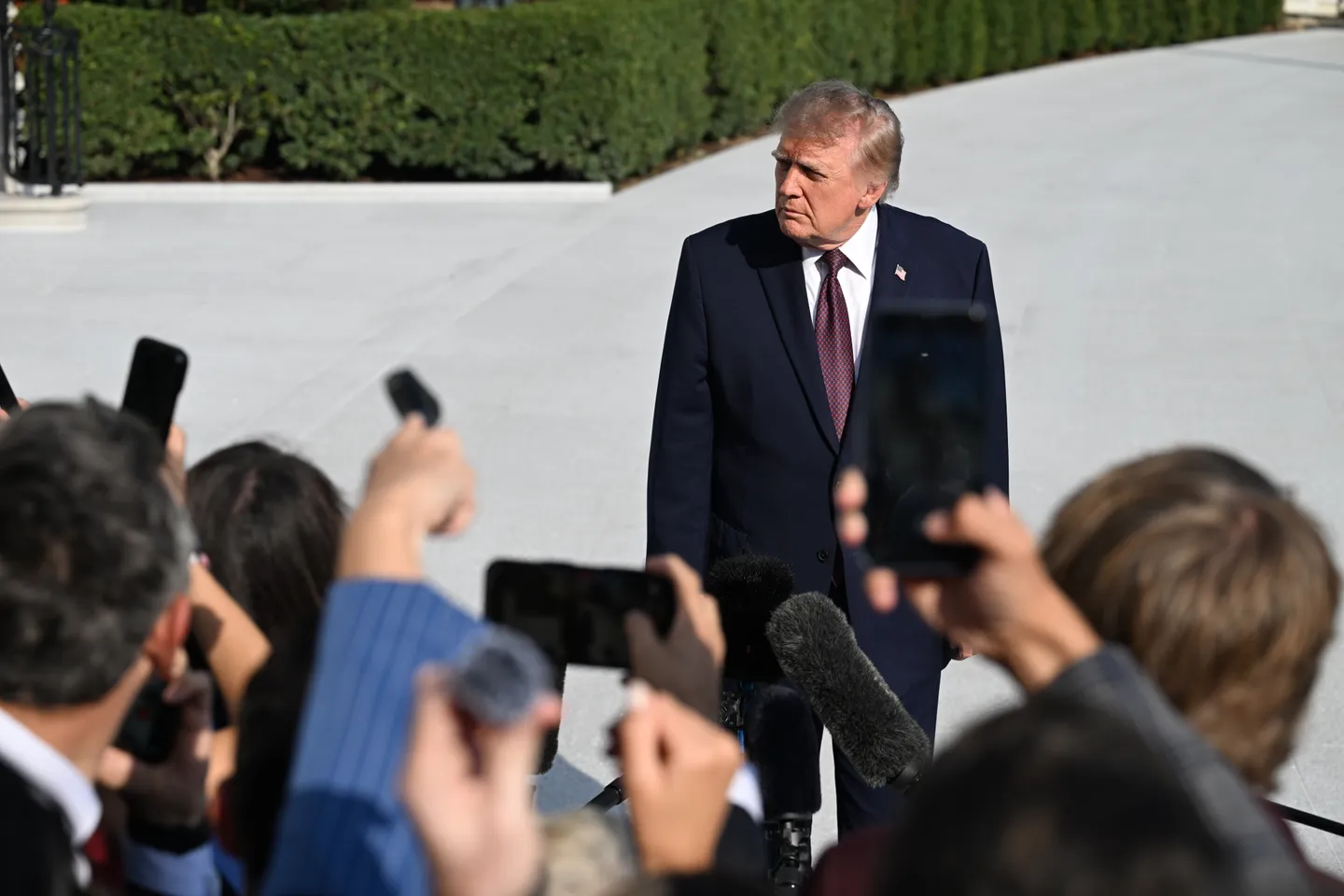
US President Donald Trump said on Monday that Ukrainian strikes on Russian energy infrastructure and refinery closures in Democratic-led US states are contributing to higher gasoline prices, as fuel costs remain elevated across the country.
“What’s driving up gasoline is no longer the Strait of Hormuz, because record numbers of barrels are coming out now on an almost daily basis,” Trump wrote on Truth Social.
He said higher prices were being driven in part by Russian facilities “being blown up by Ukraine” and US refineries being closed in states such as California.
The comments come after Trump previously urged Kiev to avoid attacks on Russian petroleum facilities.
Ukrainian President Volodymyr Zelenskyy has meanwhile said Ukraine plans to intensify strikes on Russian oil refineries as part of its response to Russian attacks on Ukrainian military-industrial and infrastructure targets.
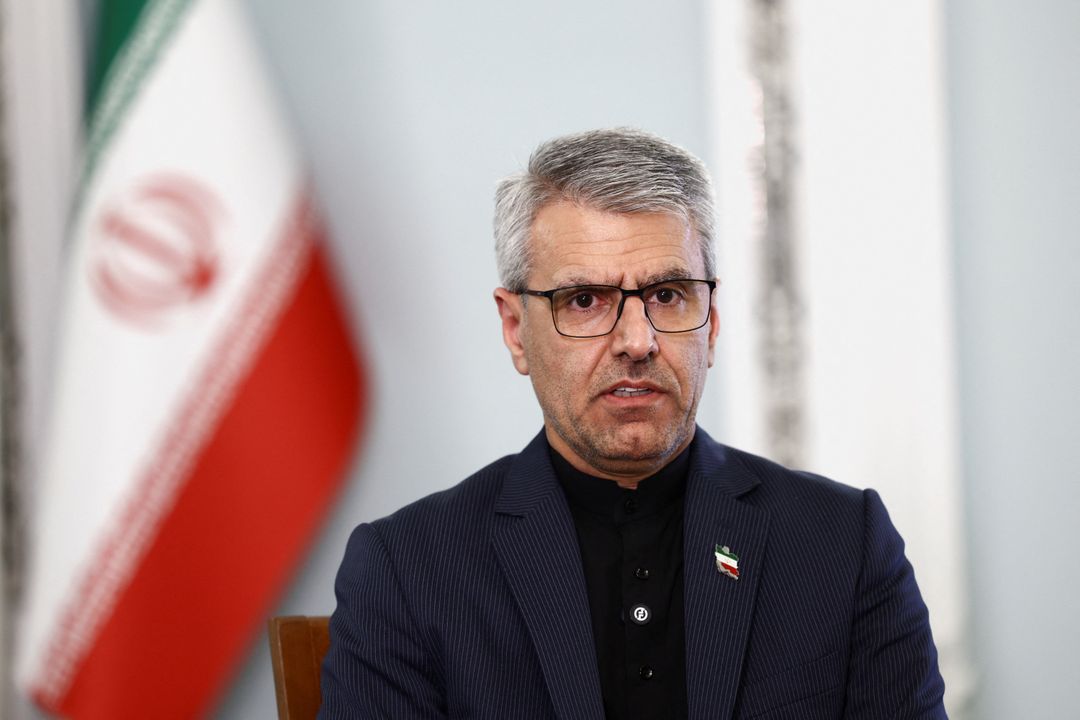
Gas prices remain well above last year
The national average for regular gasoline stood at about $4.37 per gallon Monday, according to AAA, compared with $4.15 a month ago and $3.13 a year earlier. Prices have eased from a recent peak but remain historically high for this time of year.
Global supply disruptions have continued to weigh on energy markets.


Russia has extended a temporary ban on exports of diesel and other fuel products by direct producers through October 31, while Ukrainian attacks have disrupted parts of Russia’s refining capacity.
The broader energy picture also includes continued volatility linked to the Middle East and the Strait of Hormuz, although oil shipments through the route have been recovering.

G7 moves to boost oil supplies
G7 leaders agreed Friday to begin a coordinated release of 100 million barrels from emergency oil reserves over four months, seeking to ease pressure on global energy markets and reduce volatility.
With fuel prices becoming an increasingly prominent economic issue ahead of the November 3 US midterm elections, the administration and lawmakers face pressure to contain costs for motorists and businesses.
Trump has continued to emphasise supply disruptions and energy-market conditions as key factors behind higher prices, while policymakers pursue measures aimed at improving fuel availability and easing pressure at the pump.