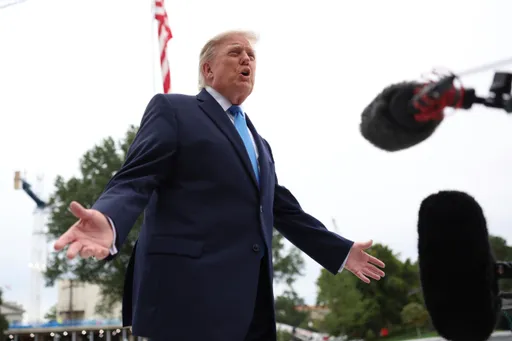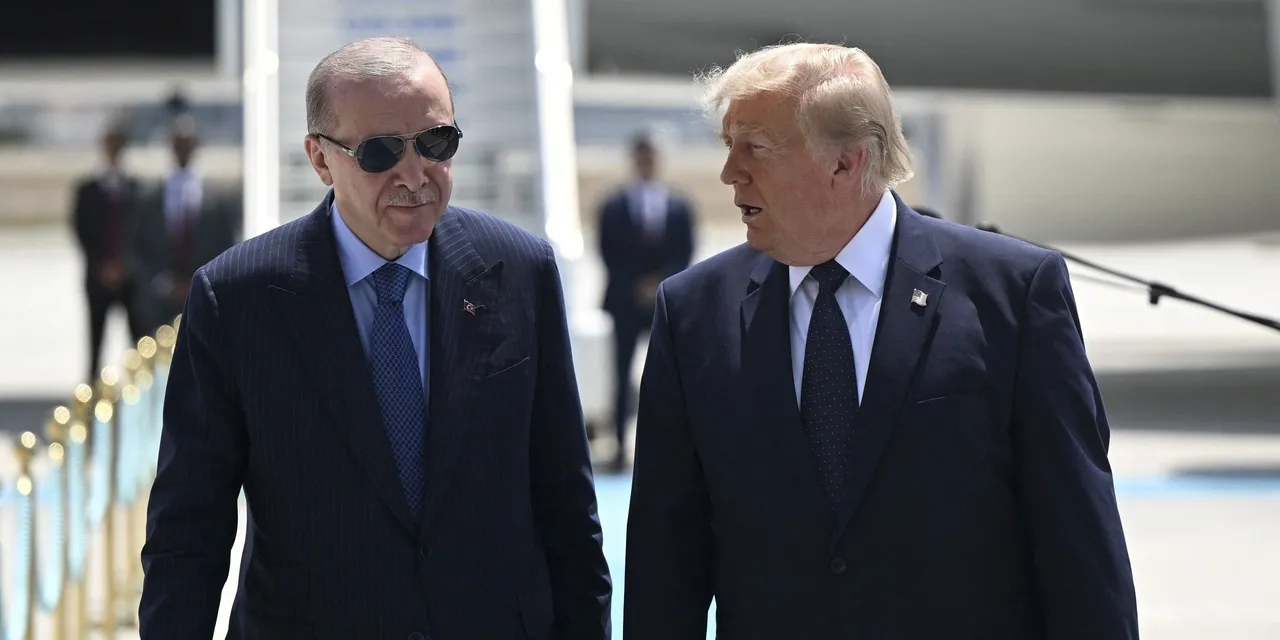
US President Donald Trump said on Tuesday that he will lift CAATSA sanctions on Türkiye.
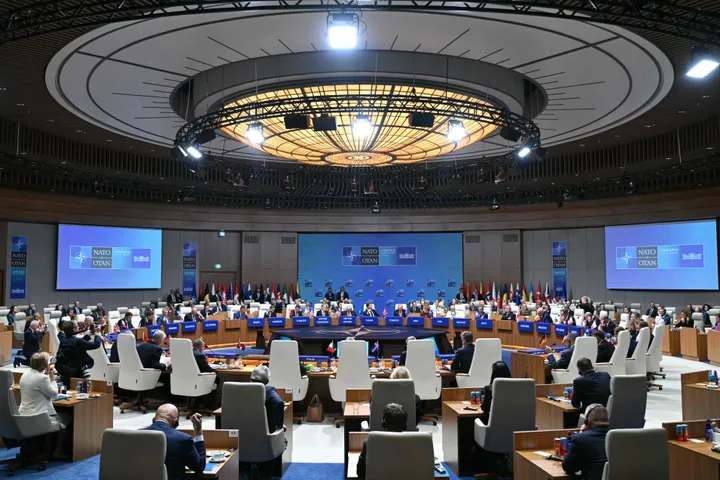
“We’re going to be taking the sanctions off. It’s time to do that… we don't want to sanction friends. It's very simple,” Trump told reporters before closed-door talks with Turkish President Recep Tayyip Erdogan in Ankara ahead of the 2026 NATO Summit.
The Countering America’s Adversaries Through Sanctions Act (CAATSA) is a 2017 US law designed to stop significant transactions with Russia’s defence and intelligence sectors.
In December 2020, the US imposed sanctions on Türkiye under CAATSA for its purchase of the Russian S-400 air defence system.
What are the sanctions?
It must be noted that the US sanctions under CAATSA never targeted Türkiye’s armed forces or its broader economy.
Instead, these sanctions targeted Türkiye’s Presidency of Defence Industries (SSB) – a government agency responsible for managing the nation's defence industry, military technology procurement, and the modernisation of the Turkish military – along with a few senior officials.
The sanctions also resulted in a ban on US export licences and authorisations to SSB.
Similarly, these sanctions restricted US financial institutions from providing SSB with loans or credit exceeding $10 million in any 12-month period.
They also included the prohibition on US Export-Import Bank assistance for exports to SSB.
They required the US authorities to oppose loans from international financial institutions that could benefit SSB.
Visa restrictions were also placed on the named officials.
These measures followed Türkiye’s earlier removal from the F-35 fighter jet programme in 2019.
Türkiye has consistently maintained that its acquisition of the S-400 surface-to-air missile system from Russia was a sovereign decision to strengthen its air defence.
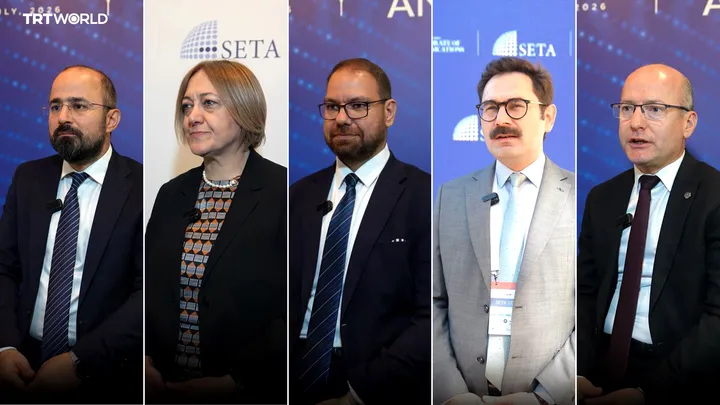


Turkish officials condemned the sanctions as unjust and a blatant attack on national sovereignty, noting that they stemmed in part from lobbying pressure rather than genuine security concerns.
Not surprisingly, the restrictions ended up accelerating Türkiye’s push for the development of its defence industry.
With over 500 companies active in the defence and aviation sectors and world-class unmanned aerial systems already in production, Ankara turned the challenge into an opportunity to reduce its dependence on external sources for its military equipment needs.
How will sanctions removal help Ankara?
Analysts say the lifting of these sanctions will deliver substantial benefits to Türkiye in strategic, economic, and technological terms.
One, it will enable Türkiye’s reintegration into the F-35 programme.
The US objection was that the Turkish use of the Russian S-400 air defence system would endanger US-made fighter jets, making them incompatible with NATO systems.
However, Türkiye has maintained that there is no conflict between the two systems, while proposing a commission to study the issue.
The lifting of sanctions will let Ankara acquire these advanced fighters, helping modernise the Turkish Air Force with fifth-generation capabilities.
Two, removing restrictions on SSB will unlock new avenues for Ankara’s defence cooperation with the US.
Türkiye will regain access to US export licences and financing support. This will facilitate additional military procurements, technology transfers, and joint projects.
Three, ending CAATSA sanctions will remove a major irritant in US-Turkish relations, paving the way for deeper strategic cooperation.
Moreover, ending the impasse will strengthen not only Türkiye but also NATO as a whole.