 Baba Umar
United Nations, New York — Simultaneous disruptions across three vital maritime corridors — the Red Sea, the Strait of Hormuz, and the Black Sea — pose a severe risk to global food and energy security, a senior United Nations official has told TRT World, predicting the double US-Iran blockade on Hormuz alone could push as many as 45 million people into acute food insecurity.
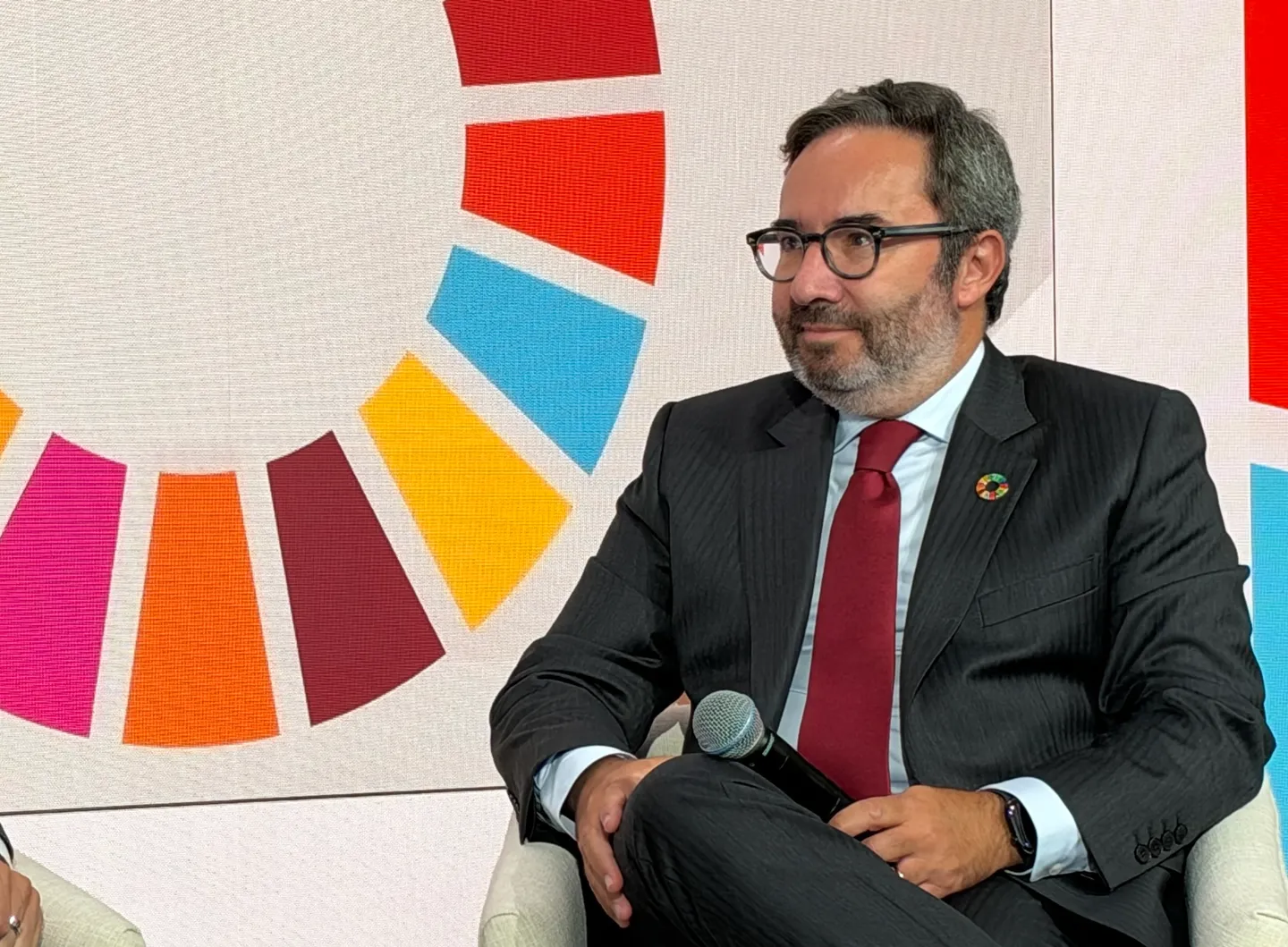
In an exclusive interview with TRT World at the UN headquarters in New York on Monday, Jorge Moreira da Silva, Executive Director of the United Nations Office for Project Services (or UNOPS) and coordinator of the UN Strait of Hormuz Task Force, highlighted that concurrent bottlenecks in these strategic choke points that he said are severely impacting the transit of essential commodities worldwide.
"I see the three blockades here. So, obviously the disruptions in the three key areas, the Red Sea, Black Sea, and the Persian Gulf ( Strait of Hormuz) is obviously creating a big impact on energy and food," the UNOPS executive director said.
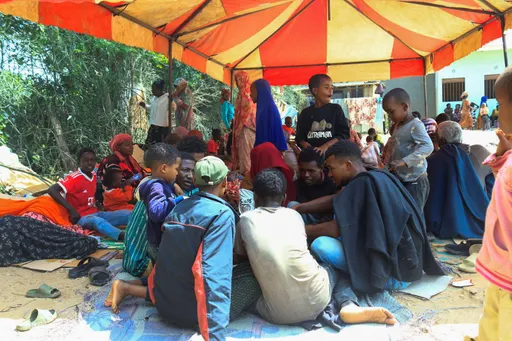
Urging world leaders to pursue diplomatic solutions to avert a major humanitarian crisis, he cited assessments from humanitarian agencies, including the World Food Programme, noting that disruptions in the Strait of Hormuz alone could push as many as 45 million people into acute food insecurity.
"If you bring the situation in the Black Sea and if you bring the Red Sea, which is obviously a drastic context, it is a really global crisis, and I really hope that this week at UNGA (UN General Assembly) the heads of state and the government will have time to talk about this," da Silva added.
'It always affects the poorest'
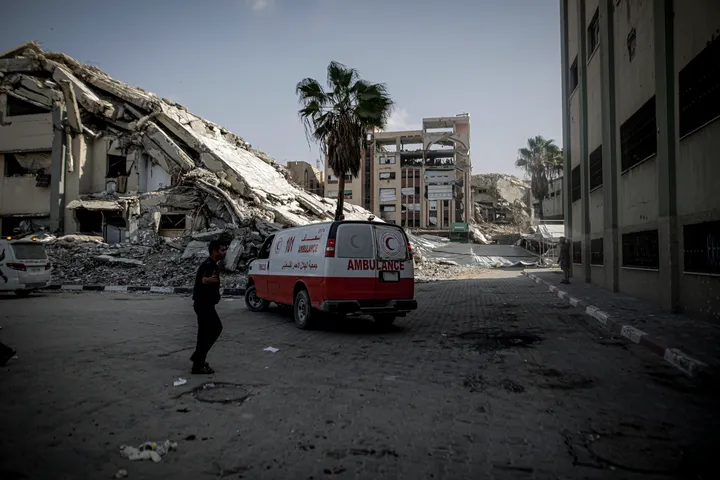
The US and Israeli forces launched wide-scale war across Iran on February 28, targeting military sites, defence systems, as well as leading to hundreds of civilian deaths.
Iran launched missile and drone strikes targeting Israel and US military bases across the region as well as blockading the Strait of Hormuz. US imposed its own naval blockade on Iranian ports.

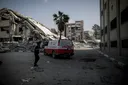



Despite an April truce and a June pact brokered by Pakistan, peace talks stalled. Mediation by Pakistan and Qatar continues to de-escalate tensions between the US and Iran.
With the Strait of Hormuz disrupted, the Red Sea became a crucial oil route, but the control over the Bab al Mandab Strait by Yemen's Houthis have complicated the maritime transit.
Meanwhile, escalating long-range strikes between Russia and Ukraine have increasingly targeted civilian sites, energy and port infrastructure, and Black Sea vessels.
Drawing parallels with previous international emergencies, including the Covid-19 pandemic, da Silva emphasised that the fallout from global supply chain disruptions disproportionately harms the most vulnerable populations across the globe.
"We have learned from previous crises that even when the crises are global, like it happened with the pandemic, it always affects the poorest, the most vulnerable within and between countries," he said, underscoring that diplomatic dialogue and de-escalation are imperative to safeguard at-risk communities.
With heads of state and government convening for the 81st UNGA General Debate and allies events, da Silva expressed hope that international leaders would prioritise coordinated diplomatic action, noting that UN Secretary-General Antonio Guterres "has been extremely vocal about this topic, and I hope that we can get diplomatic effort."
Da Silva, who said he remains in touch with Iranian and American officials regarding Hormuz blockade, told TRT World that he is not in touch with Yemen's Houthis regarding the risks they pose to shipping and energy transport via Bab al Mandab strait.
"I'm not part of that. I'm leading the negotiation on the Strait of Hormuz only," he said.