 Baba Umar
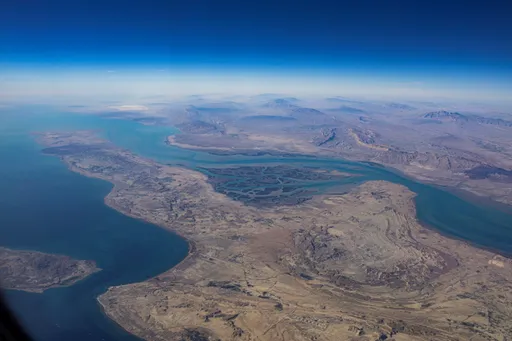
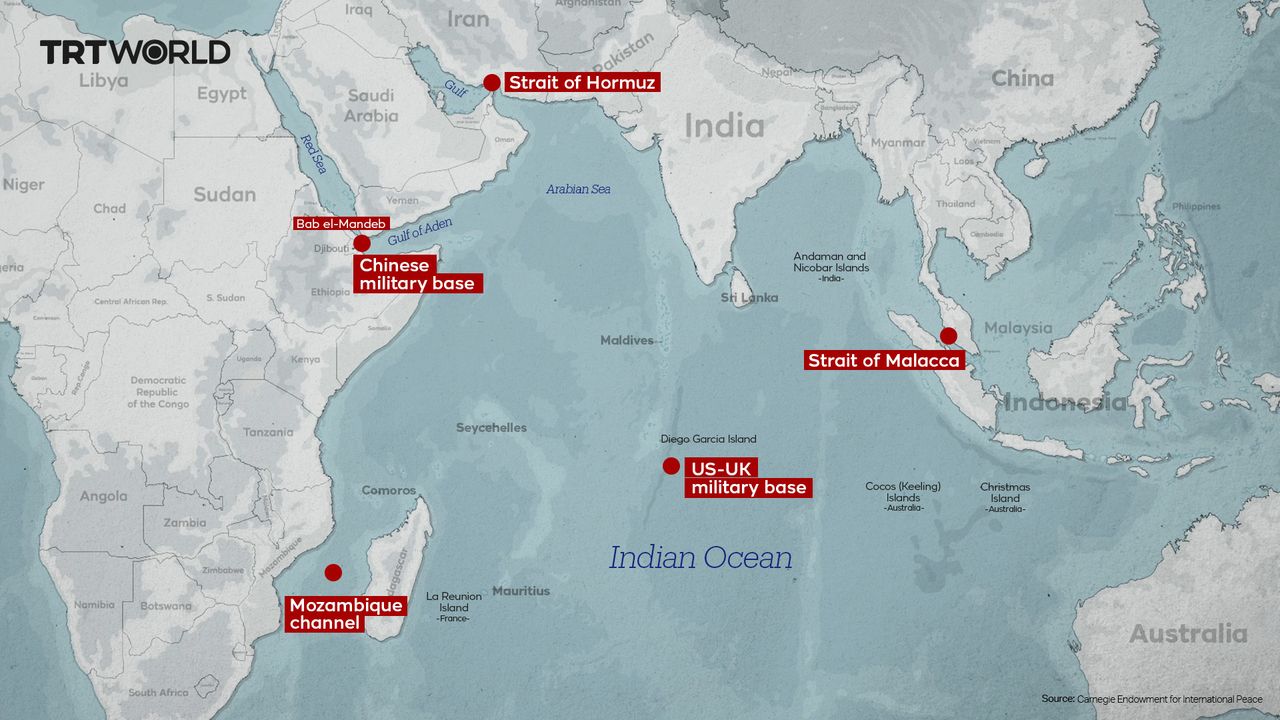
Washington DC — Nearly five months after the United States and Israel launched their war on Iran, and the subsequent deal pausing it, the Strait of Hormuz — a critical chokepoint for roughly 20 percent of global energy supplies — once again remains effectively closed by a dual Iranian and US blockade, prolonging energy shortages and deepening fears of a global economic crisis.
Before February 28 this year, the narrow waterway linking the Gulf to the Arabian Sea operated without restriction, allowing daily oil exports from Gulf producers to flow freely to international markets.
Following the initial joint US-Israeli strikes that triggered a major regional war impacting nearly all GCC countries and beyond, Iran effectively shut the strait in response.
Almost a month into the war, mediator Pakistan’s Defence Minister Khawaja M. Asif publicly questioned the shifting aims of the warring parties. In a social media post, he wrote that "the goal of the war seems to have shifted to opening the Strait of Hormuz, which was open before the war."
Today, more than 140 days since the US and Israeli attacks and the signing of a Pakistan-mediated Memorandum of Understanding (MoU) intended to end the fighting, the strait has still not reopened to normal commercial shipping. Instead, the US and Iran have resumed direct tit-for-tat strikes and the full resumption of war appears highly likely.
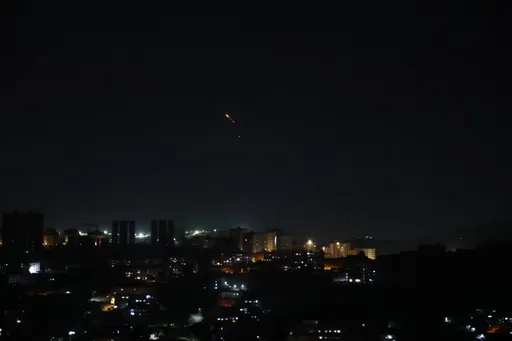
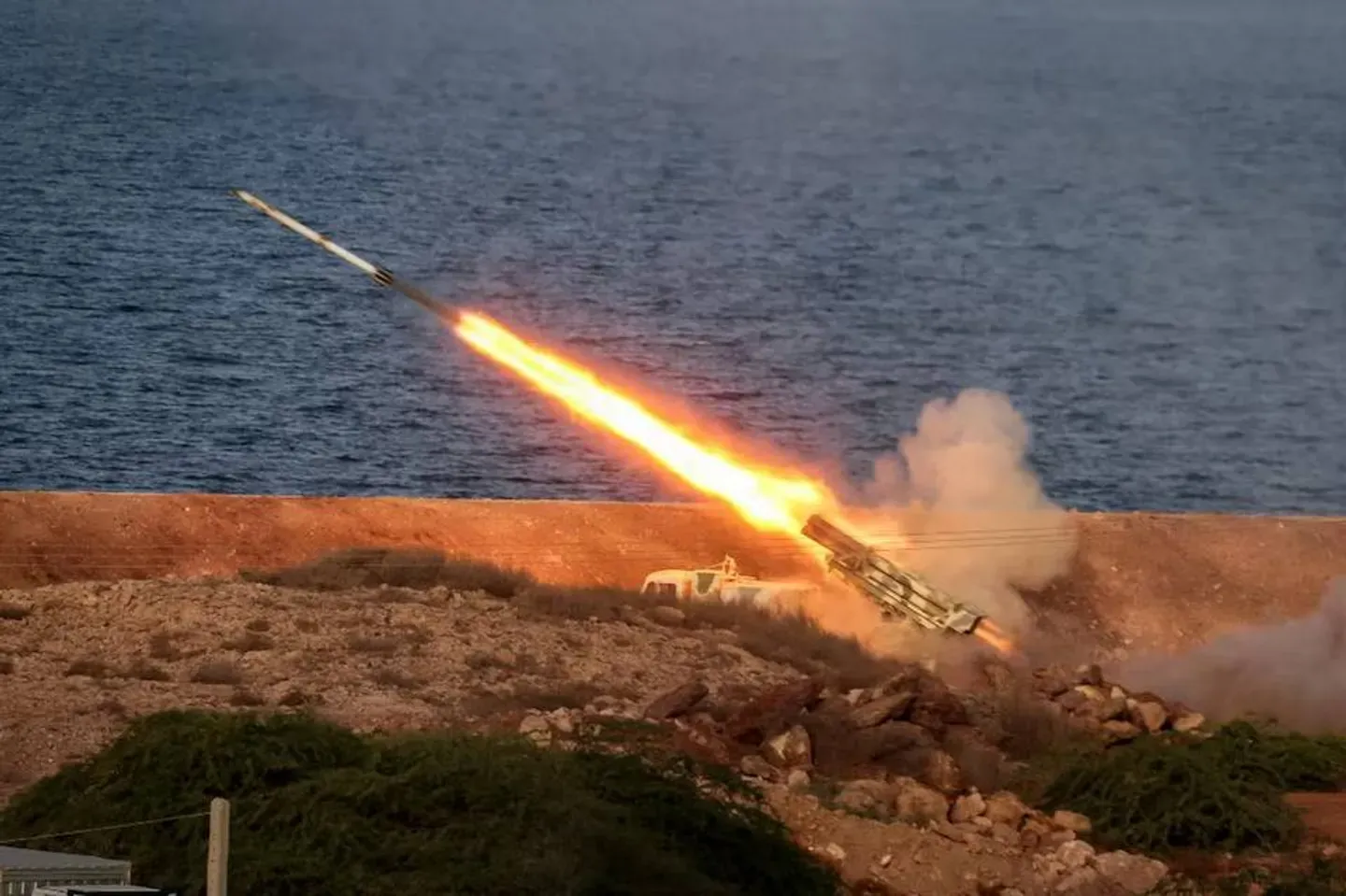
According to Iranian media reports, US forces have struck railways, airports, desalination plants and bridges inside Iran. In retaliation, Iran says it has been carrying out strikes in Gulf states, including Qatar, Kuwait, Bahrain, and Jordan, hitting American military bases and desalination plants.
Iran escalated the situation by suspending its commitments to the MoU, stating that it was preoccupied with defending the country against US attacks.
Foreign policy analysts monitoring developments believe that a resumption of fighting following the signing of the MoU was inevitable and merely a question of timing.
"The return of armed conflict was to be expected, given the two sides' differing goals regarding the Strait of Hormuz. The June MoU had major ambiguity, so in the absence of a common vision it couldn't withstand the pressures put on it," Alan Eyre, a former senior US diplomat, tells TRT World.
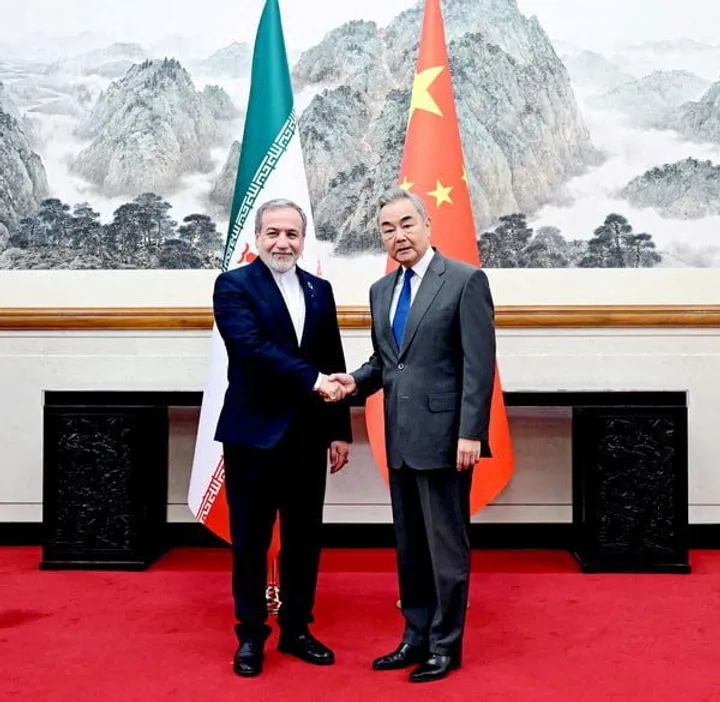
Eyre, a core member of the US nuclear negotiating team from its launch in 2010 through the signing of the 2015 Joint Comprehensive Plan of Action (JCPOA) with Iran under the Obama administration, says it is clear that everyone involved in the peace efforts "feels disappointed for one reason or another."

Clause 5 of MoU
The 14-point deal, often referred to as the Islamabad MoU, was a framework agreement aimed at ending the US-Iran conflict. It included an immediate truce, the lifting of the US naval blockade on Iranian ports, the reopening of the Strait of Hormuz by Iran, the release of frozen Iranian assets, oil export relief, and a 60-day window to negotiate a final deal on Iran nuclear programme, the end of Western sanctions, and related matters.
It also created a $300 billion reconstruction and development initiative for Iran.
Pakistan served as the mediator and witness.
But now the deal is unravelling.
It all began on June 25, when an Iranian projectile struck a cargo ship in the Strait of Hormuz, igniting a powder-keg of hostilities.
The preliminary deal had called for Hormuz to be fully reopened, although it also included language indicating that Tehran would manage maritime traffic.
Tehran interprets the agreement as granting it the right to control the Strait of Hormuz. It regards the alternative shipping route used by vessels — and supported by the US — as a violation of the accord. As a result, Iran considers tankers and other ships that use these alternate routes to be legitimate targets, since the MoU does not specify which route vessels must follow through the strait.
Tehran points at clause 5 of the MoU to back its arguments and actions. The clause states: "Upon the signing of this MOU, the Islamic Republic of Iran will make arrangements using its best efforts for the safe passage of commercial vessels with no charge, for 60 days only, from the Persian Gulf to the Sea of Oman and vice versa. The traffic of commercial vessels will immediately start, and considering the need for removing the technical and military obstacles, and demining by the Islamic Republic of Iran will be instated within 30 days. The Islamic Republic of Iran will conduct a dialogue with the Sultanate of Oman to define the future administration and maritime services in the Strait of Hormuz in discussion with other Persian Gulf littoral states in line with the applicable international law and the sovereign rights of coastal states of the Strait of Hormuz."
However, the US disputes Iran's interpretation of the MoU, arguing that Tehran is directly violating the agreement by disrupting shipping in the Strait of Hormuz.
"The language in the MoU has been interpreted very differently by Washington and Tehran, but in any case, Iran is illegally asserting the right to control passage through waters on both sides of the Strait," former US Ambassador Barbara A. Leaf tells TRT World.
Ambassador Leaf, an Assistant Secretary of State during the Biden administration and now senior international policy advisor at Washington-based law firm Arnold and Porter, describes the current standoff between the US and Iran as a "controlled military escalation" that, according to her, was triggered by Tehran after it attacked ships in Omani sovereign waters and claimed the right to control passage through any part of the Strait of Hormuz, including Oman’s territorial waters.
Speaking at an online event "From Deal to Ordeal: The US and Iran", organised by the International Crisis Group earlier this week, prominent Middle East scholar Vali Nasr argued that Iran’s recent moves to assert control over the Strait of Hormuz stem less from internal divisions and more from a conviction that Washington never intended to honour the MoU.
Nasr, who is also a Professor of International Affairs at Johns Hopkins University, argued that Iran appears to have concluded early on that the MOU was "too good to be true", suggesting Tehran viewed the agreement as a tactical pause by the US to regroup rather than a genuine step toward a broader deal.
"When the memorandum was signed, I think what [others] said [was] that it was too good to be true," Nasr stated. "In other words, the US gave up too much, and I think Iran’s reading of it was that there was no real pathway to something bigger out of the memorandum."
Nasr also noted that Iranian officials had expected a new round of conflict involving Israel, the US, or both to begin around October. Instead, developments moved much faster. He pointed to several early signals that convinced Tehran the US was not committed to a diplomatic track and was instead using the MOU to shift the balance of power.


Gulf Nations caught in the US–Iran Crossfire
The fighting that escalated in late June has now grown into a wider conflict and prompting larger US strikes.
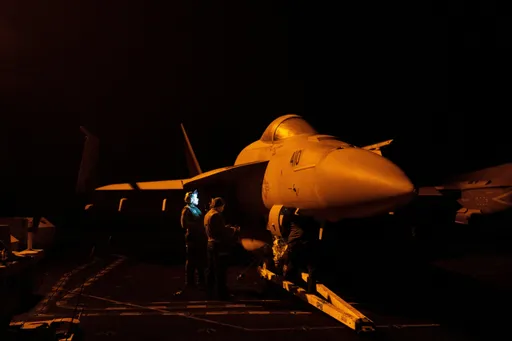
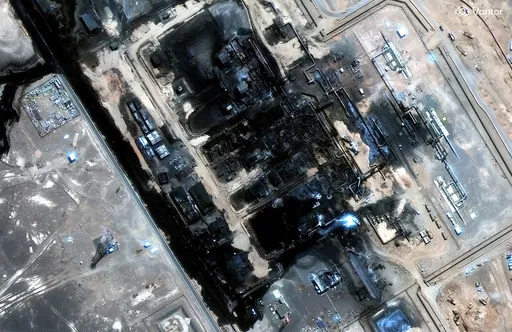
US forces have been using fighter jets, precision-guided munitions, Tomahawk cruise missiles, and other assets against military and civilian infrastructure of Iran in locations such as Bandar Abbas, Qeshm Island, Bushehr province, Chabahar, Konarak, Jask, Sirik, Kuhestak, Abu Musa, and Greater Tunb Island.
Iran says US attacks since late June have killed some 50 Iranians and wounded more than 500 others.
According to Iranian officials, their forces have struck multiple US and allied military installations across the region.
In Bahrain, Tehran claims attacks on Sheikh Isa Air Base, the Juffair naval base that hosts the US Fifth Fleet, Port Salman, and other facilities.
Iran also says it hit Ali Al Salem Air Base, Camp Arifjan, Patriot missile systems, fuel depots, radar sites, and additional military infrastructure in Kuwait.
In Jordan, Iranian missiles and drones reportedly struck the Azraq military base used by US forces on July 17. The attack killed two American soldiers, wounded several others, and left one soldier missing — marking the first US military fatalities from Iranian fire since March.
In Qatar, Tehran claims it targeted Al Udeid Air Base in Doha, a major US forward headquarters, along with satellite antennas and related facilities.
Amid ongoing US strikes and Iranian counter-strikes, Iran announced on Saturday that it is suspending its commitments under the Islamabad MoU. Iranian officials accused US of breaching its own obligations under the dead. "We have also suspended our commitments, we are not implementing them, and we are busy defending the country," they stated.
Role of peace brokers
For mediators such as Pakistan and Qatar — who spent months working to bring the US and Iran back to the negotiating table — the return to fighting, and the risk of war resuming, is an unwelcome development.
Former US diplomat Eyre suggests that mediators should consider pausing their efforts, arguing that doing so "might force the US to pay more attention to diplomacy, which it has largely outsourced to other countries."
While Islamabad may be feeling disappointed at the turn of events, it is actively advocating for de-escalation, condemning renewed violence from any party, and working to keep diplomatic channels open under the framework it helped create.
"Pakistan, and a number of other countries – Türkiye, Qatar, KSA, UAE, Egypt – remain engaged diplomatically to end the escalation. The threat of the MoU – and the ceasefire itself – collapsing is a source of great concern for all of these states, as well as the wider international community," says former US diplomat Leaf.
"These countries are doing exactly what is needed at this point – engaging proactively with Tehran and Washington to find a path to de-escalation."
With the US and Iran engaged in serious fighting and commitments under the MoU taking a back seat, a new report published by the International Crisis Group argues that the June memorandum is on "life support" due to diverging interpretations by the conflicting parties.
And if the current tensions are to ebb, the report says, both Washington and Tehran would "need to stop trying to enforce their competing interpretations of the memorandum by military means."
However, with casualties mounting and both sides hardening their positions, US and Iran appear willing to use military means to create the conditions for a new round of negotiations.
The ICG report argues that "mediators who helped make the mid-June deal (Pakistan and Qatar) should seek an immediate standstill arrangement around the strait" while stressing that Iran would need to halt its attacks on commercial shipping in exchange for the US suspending efforts to develop alternative transit routes through the Strait of Hormuz.
To Ambassador Leaf, a prolonged war would be unaffordable for both the global economy and the US economy. At the same time, she believes, "It is also clear that Tehran is overplaying its hand."
But for Nasr, Iranian leadership believes it has no credible diplomatic alternative and is prepared to escalate economic disruption to force a durable post-war settlement.
Iranian officials, he explained, believe they must impose short-term pain on the global economy — particularly on Gulf states and energy infrastructure — to change Trump admin’s calculations at the negotiating table.
Nasr described Iran’s strategy as a high-stakes bet, adding Tehran appears willing to accept further short-term suffering in hopes of securing long-term relief. However, he warned that Iranian leaders may be miscalculating how long they can sustain the pressure or how much pain the global economy will tolerate.
"My sense is that they are preparing for a prolonged pressure on the global economy… In other words, I think it's a sense that they have to suffer in the short term in order to get relief in the long term," he argued.