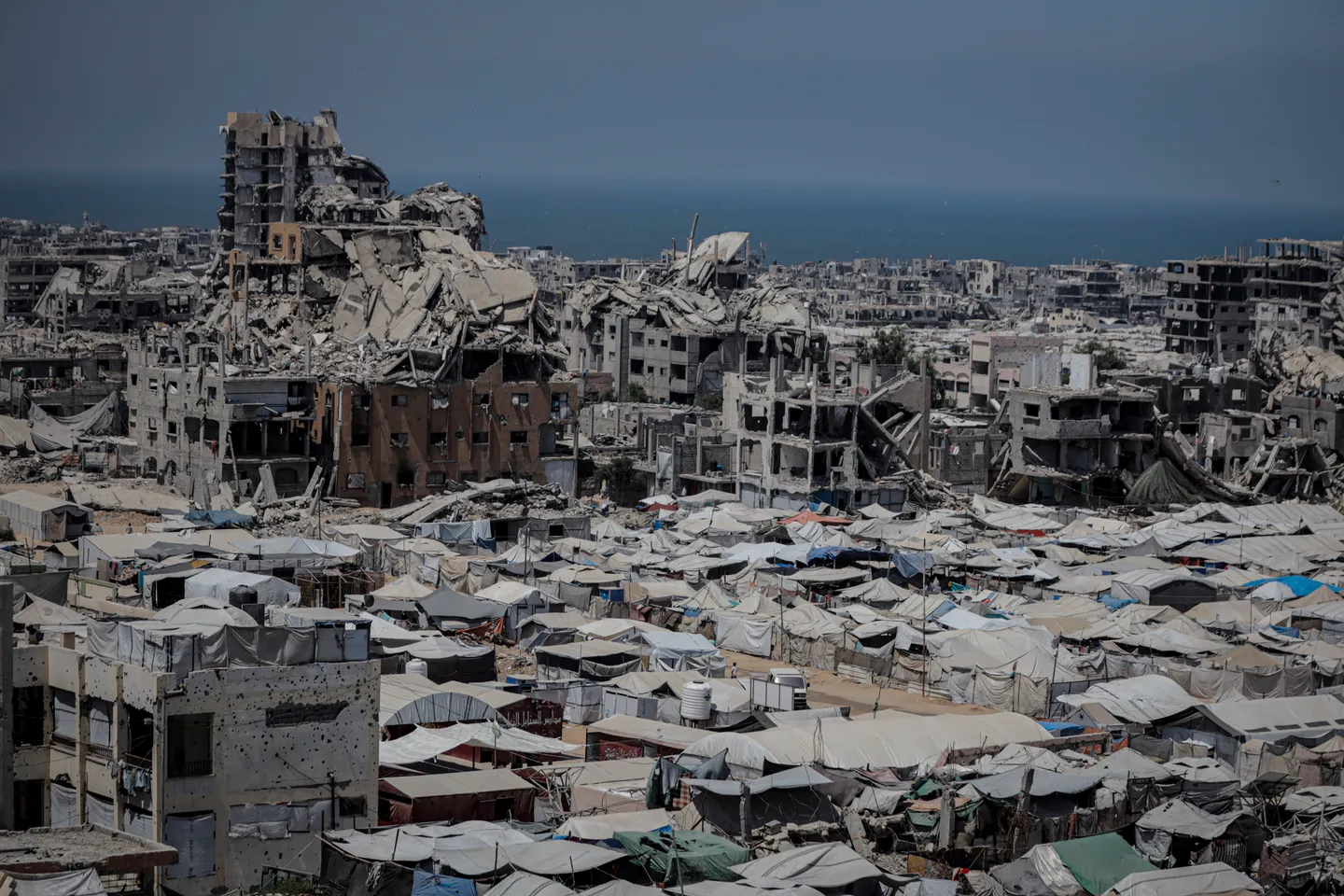
The US-led Board of Peace has reached an agreement with Hamas for the resistance group’s “complete disarmament” in the besieged enclave of Gaza, US President Donald Trump said on Friday.
But a Hamas spokesperson has linked the deal to a gradual withdrawal of Israeli troops from Gaza, a demand that Israel has shown little willingness to accept.
Israel remains “very sceptical that Hamas will disarm”, according to a Reuters news report.
The latest development follows the announcement by Hamas on July 6 that it was dissolving its government in Gaza and formally handing over administration to the National Committee for the Administration of Gaza (NCAG) under the US-backed ceasefire framework.
Analysts have cast doubts whether Israel will stick to the terms of the agreement and withdraw from the enclave, 65 percent of which is currently under strict Israeli control.
The widespread scepticism about Israel’s commitment to the tenuous ceasefire stems from Tel Aviv’s repeated violations of peace agreements with a number of countries, especially after October 7, 2023.
Here’s a brief overview of Israeli actions that breached peace agreements with regional players over the last three years.
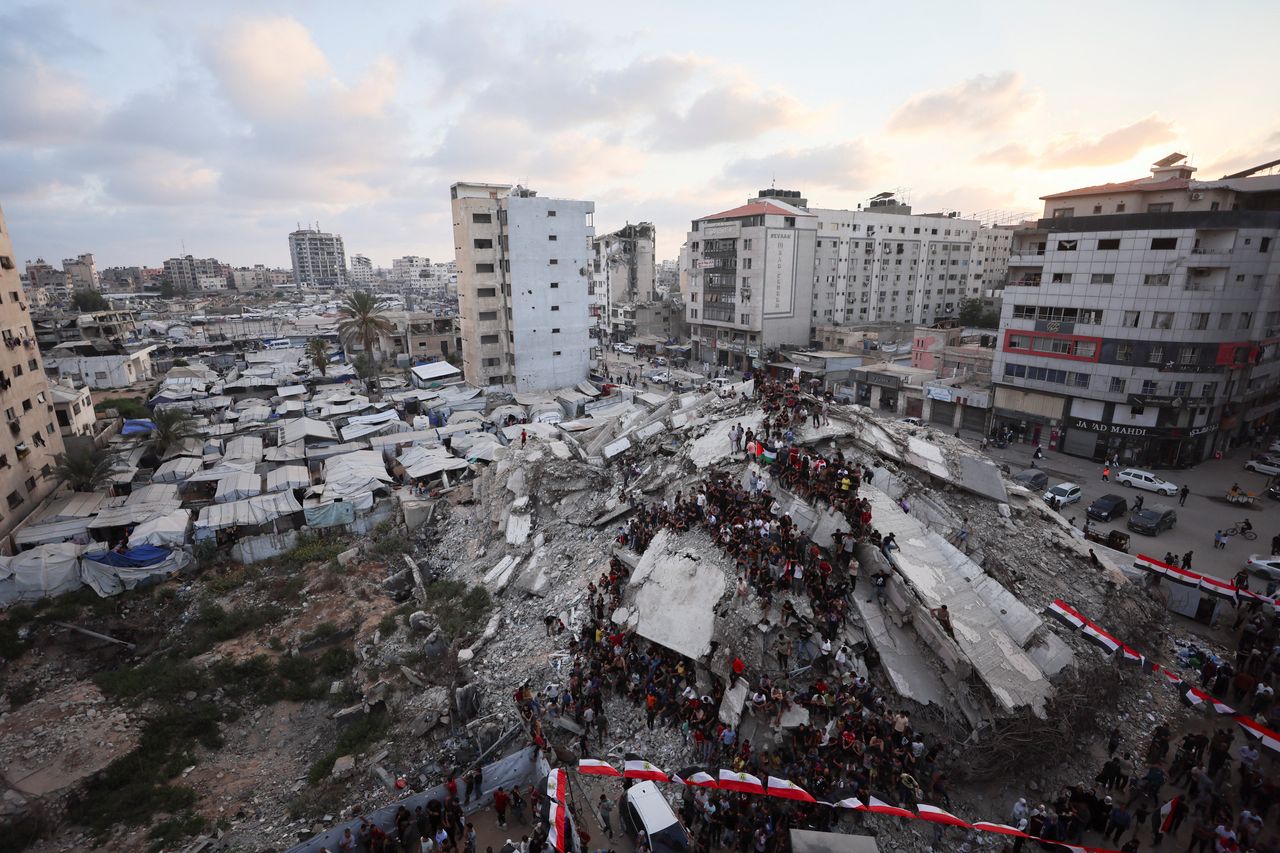
Gaza ceasefires: More violations than one can count
Israel reached a ceasefire with Hamas on November 22, 2023, to achieve the release of about 50 citizens held in Gaza since the October 7 blitz.
But Hamas soon reported that Israel provoked and engaged its members in a “field clash”. As a result, the ceasefire ended on December 1, 2023.
A second ceasefire came into effect on January 19, 2025, paving the way for a mass return of displaced Palestinians to northern Gaza.
But less than 20 days later, Hamas announced a suspension of the agreement because of repeated Israeli violations.
In particular, Hamas said Israel deliberately delayed the return of displaced people and blocked aid into Gaza.
Israel ended the ceasefire on March 18, 2025, and launched a massive attack that killed more than 400 people in Gaza.
The Israeli occupation forces opened fire in southern Rafah on the vehicles of aid workers on March 23, 2025, killing 15 medics.
In subsequent days, Israeli jets dropped bombs on a residential building, killing more than 35 Palestinians and wounding another 70.
Israel kept bombing Gaza over the following months despite concerted efforts by mediators to save the ceasefire.
More than 10 percent of Gaza’s population was either killed or injured in the first two years of Israel’s genocidal war.
A third ceasefire came into effect in the beginning of October 2025.
Hamas agreed to release all hostages, end the war, and give up the administration of Gaza. As a result, Israeli forces started withdrawing from parts of Gaza.
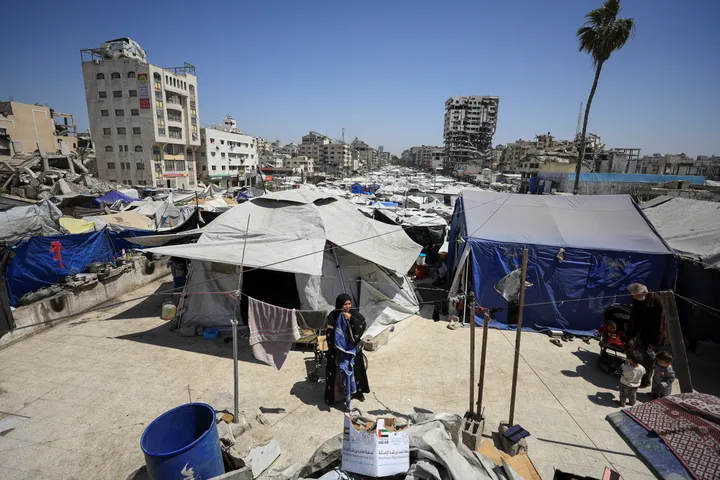
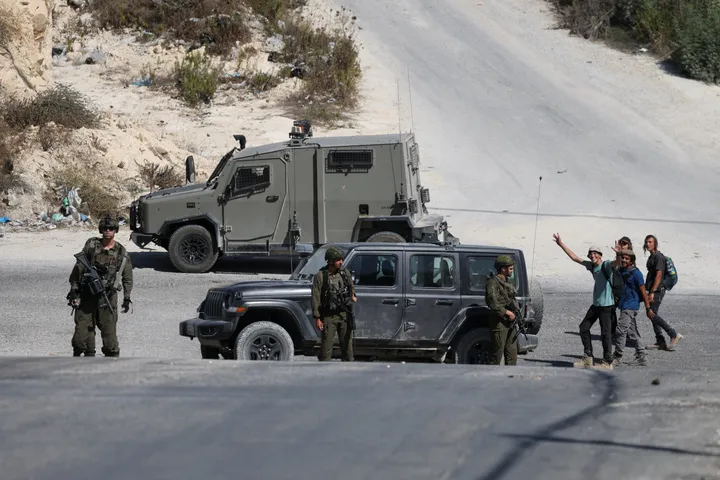

Yet, it has continued to conduct air strikes in violation of the ceasefire agreement, maiming and killing civilians in the coastal enclave.
Israel has killed at least 1,168 Palestinians since the October 2025 ceasefire.
At the same time, Tel Aviv has kept expanding its control over Gaza by moving the demarcation line.
In other words, Israel’s unilaterally drawn boundary keeps moving further into the enclave, effectively making Gaza smaller by the month.
Since the current ceasefire became effective last October, the so-called Yellow Line expanded from covering roughly half of Gaza to nearly 65 percent of the territory by June.
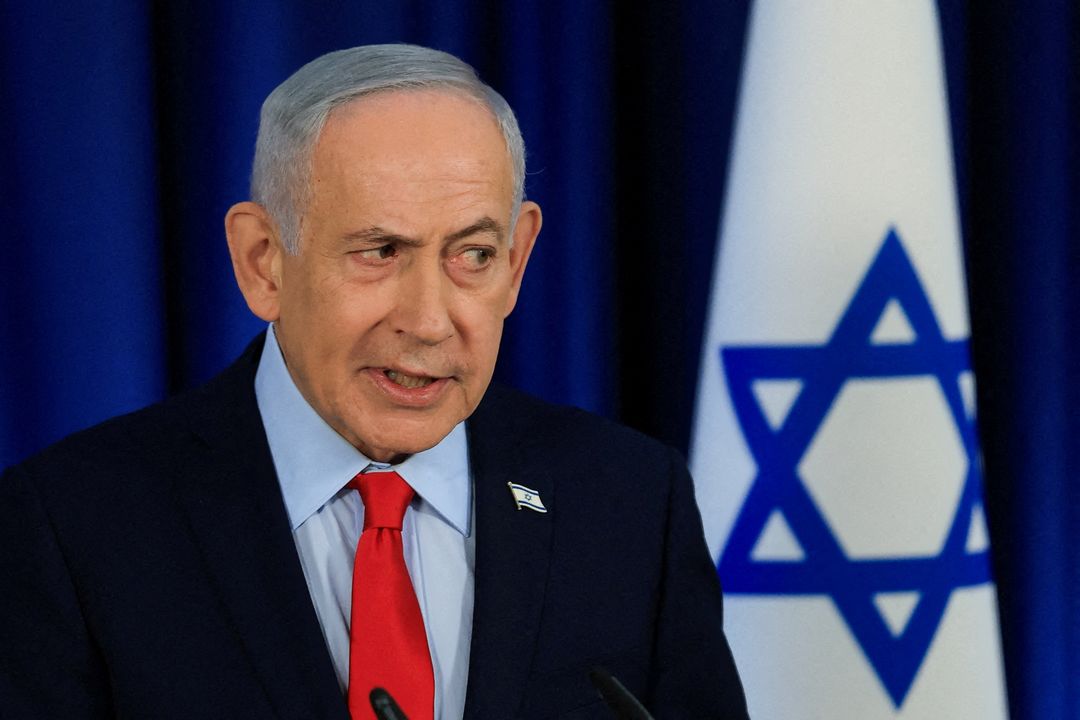
Ceasefire violations with Lebanon, Syria
Israel invaded Lebanon for the sixth time on October 1, 2024, in the name of fighting Hezbollah, an Iran-aligned group in Lebanon.
Even before invading southern parts of Lebanon, Israel had been bombing the neighbouring country for several months. Its aerial attacks not only destroyed key infrastructure in Lebanon, but also killed the top leadership of Hezbollah.
In fact, Israel killed as many as 800 Lebanese in the last week of September alone.
Tel Aviv entered a ceasefire agreement with Lebanon towards the end of November 2026.
But the ceasefire, brokered by the US and France, barely kept Israel from launching repeated attacks within Lebanese territory.
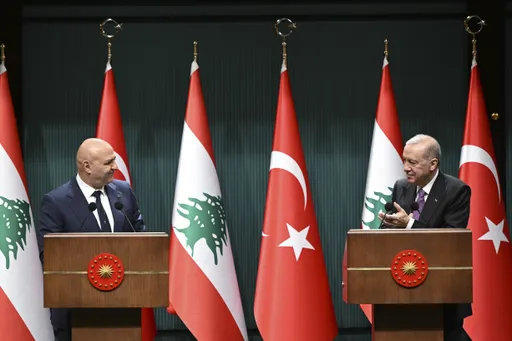
Peace talk resumed in April this year and culminated in a preliminary framework agreement in June in which Israel committed to a conditional withdrawal from Lebanon.
The Israeli army continues destroying facilities and infrastructure in Lebanon despite the peace agreement.
In the last four months, Israeli attacks in Lebanon have killed 4,330 people and injured 12,236 others, according to the Lebanese Health Ministry.
Israel continues to occupy areas in southern Lebanon despite the agreement, some for decades and others since the 2023-2024 confrontations. It has also advanced more than 10 kilometres into Lebanese territory during the current invasion.
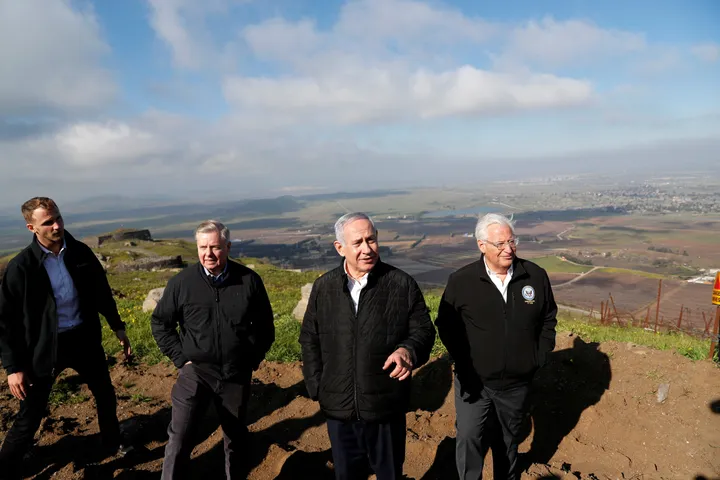
As for Syria, Israel declared the 1974 Disengagement Agreement was no longer binding after the fall of the Assad regime in December 2024.
Tel Aviv invaded the Syrian buffer zone and has since carried out strikes and incursions on an almost daily basis.
According to the Syrian Network for Human Rights (SNHR), Israel has killed 71 civilians and six soldiers since its invasion
UN Secretary General Antonio Guterres has said that Israeli violations of the 1974 Disengagement Agreement with Syria are “unacceptable and must stop”.