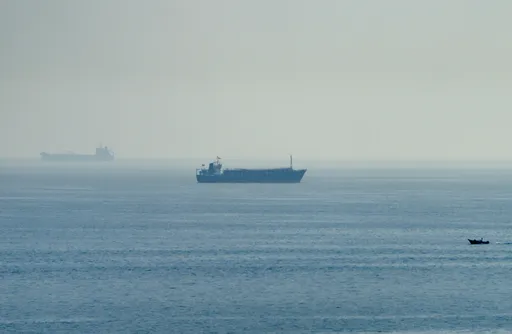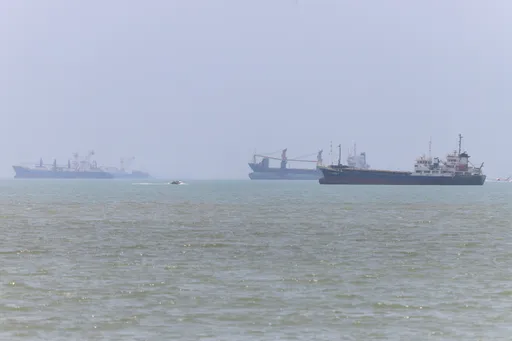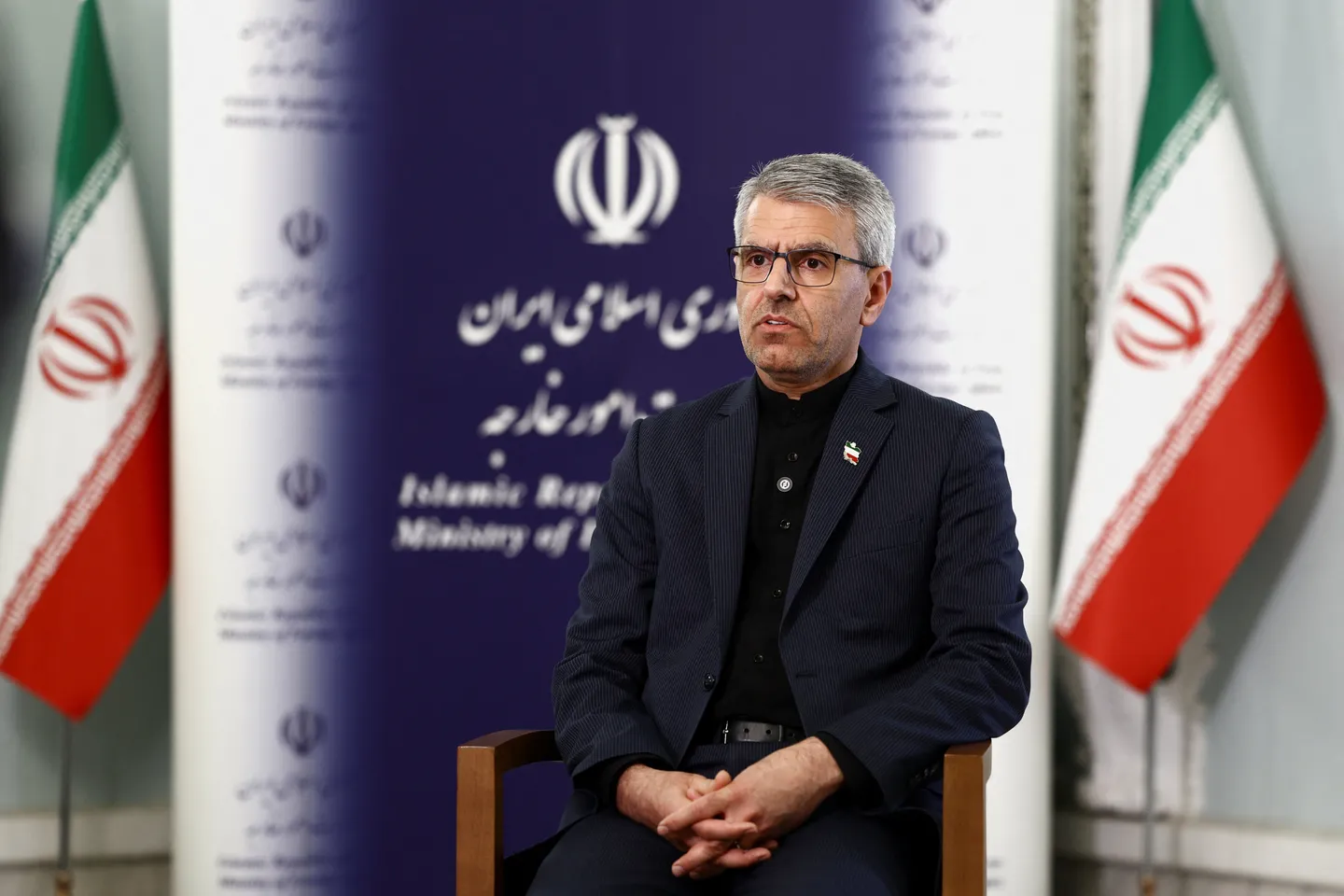
Iranian foreign ministry spokesperson Esmaeil Baqaei said that Tehran's talks with Oman on the Strait of Hormuz continue "positively."
"The talks so far have been assessed positively at both the technical and political levels. Iran is trying to develop the necessary mechanisms for future arrangements for managing shipping traffic in this strategic passage, in cooperation with Oman," Baqaei told Iran's state-run broadcaster IRIB on Tuesday.
The outcomes of the talks "will be announced once they have concluded.”
The negotiations focus on defining safe inbound and outbound shipping lanes that "safeguard the sovereign rights of both countries while taking into account the national security considerations of Iran and Oman," Baqaei added.
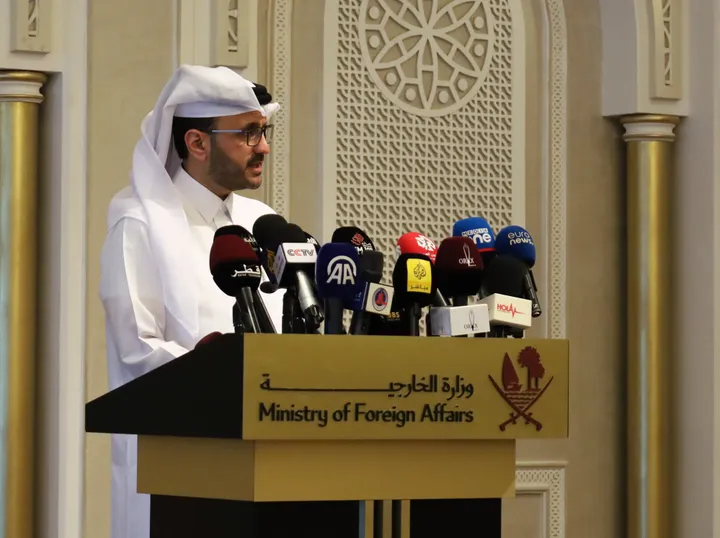
On the other hand, mediators are preparing a document for reopening the Strait of Hormuz as Pakistani and Qatari mediators have intensified contacts with the US and Iran, in addition to "regional partners," Pakistani government sources told Anadolu.
The sources added that indirect contacts between the US and Iran through Pakistani and Qatari mediators are in the "final stage" to finalise the document.
"A major development concerning reopening of the Strait of Hormuz under the Islamabad Memorandum of Understanding is expected this week as Pakistan and Qatar have intensified diplomatic contacts with Washington, Tehran and several other regional partners," said a source familiar with the developments.
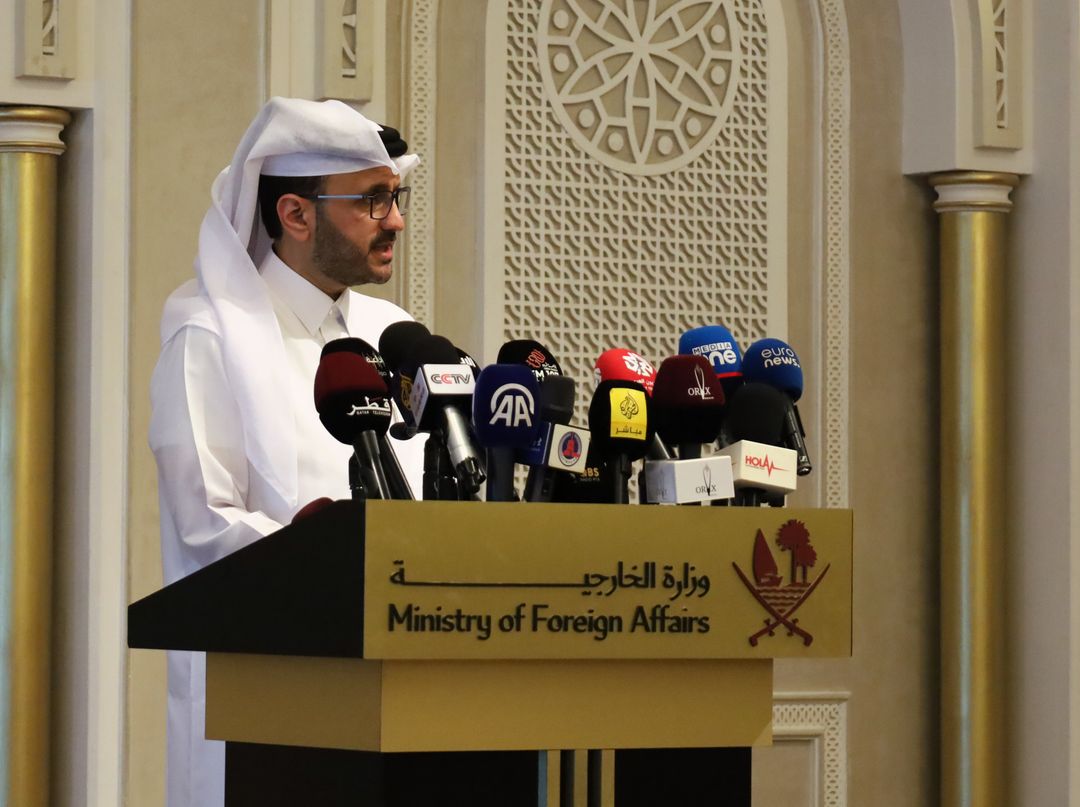
Oman, which has been in talks with Iran about future management of the Strait of Hormuz, is also "actively" involved in the latest diplomatic efforts to end hostilities and reopen the strait, said sources.
The single-page document, according to sources, contains matters only related to the Strait of Hormuz, which would subsequently lead to the resumption of long-stalled direct talks between the US and Iran.
Iran will reopen the strait, and in return, the US will lift its blockade of the Iranian ports, according to the document, said the sources.
There is no mention of Tehran's nuclear programme in the document, they said.
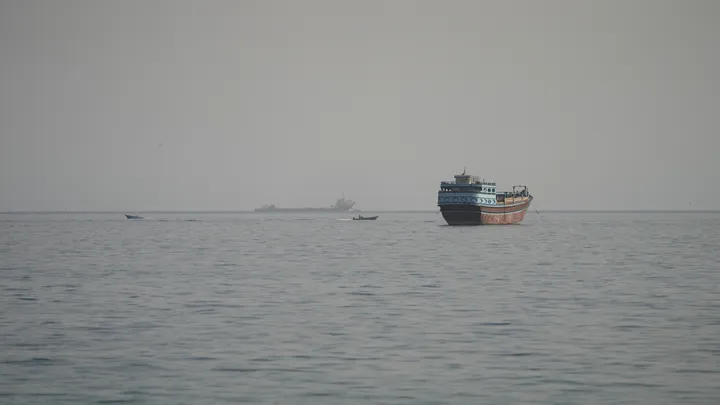
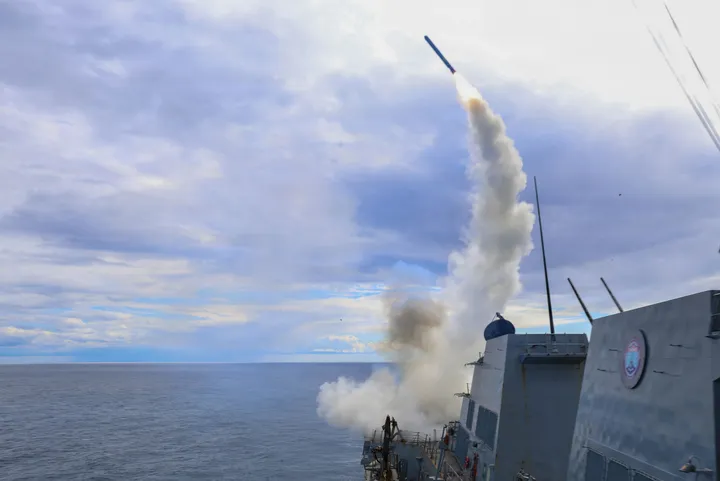



Following implementation of the document, mediators will finalise the date and venue for the resumption of direct talks in consultation with Washington and Tehran, the sources added.
The sources said that the two warring sides are still at loggerheads on several issues, mainly tolls.
"The US side is insisting that the Strait of Hormuz should be completely toll-free for commercial shipping as it was before the start of the war. While Tehran wants a 'service fee' to cover environmental and security costs," they said.
‘Middle way’
The mediators, it added, are trying to find a solution which might offer a "middle way" to resolve the issue.
Also, a source said Tehran is opposing the idea of different shipping corridors in the strait.
The New York Times reported earlier that Iran and Oman are close to reaching an agreement to restore commercial maritime traffic through the strait.
Under the potential deal, the report said, vessels entering the Gulf would travel through a shipping channel controlled by Iran and close to its coast, while outbound traffic would use a channel near Oman.
Iranian officials told the Times that no tolls would be charged but said the agreement includes a "service fee" to cover environmental effects, security for cargo ships and tankers, and staffing costs. They added that the revenue would be shared equally between Iran and Oman.
Washington and Tehran signed the memorandum on June 17, agreeing to advance negotiations toward a permanent settlement on several contentious issues, including Iran’s nuclear programme, within 60 days.
Hostilities that began last month, however, have cast uncertainty over the future of the agreement.