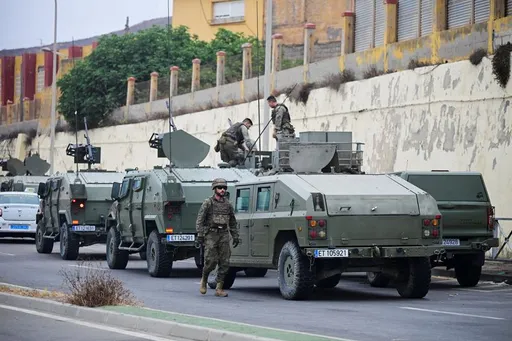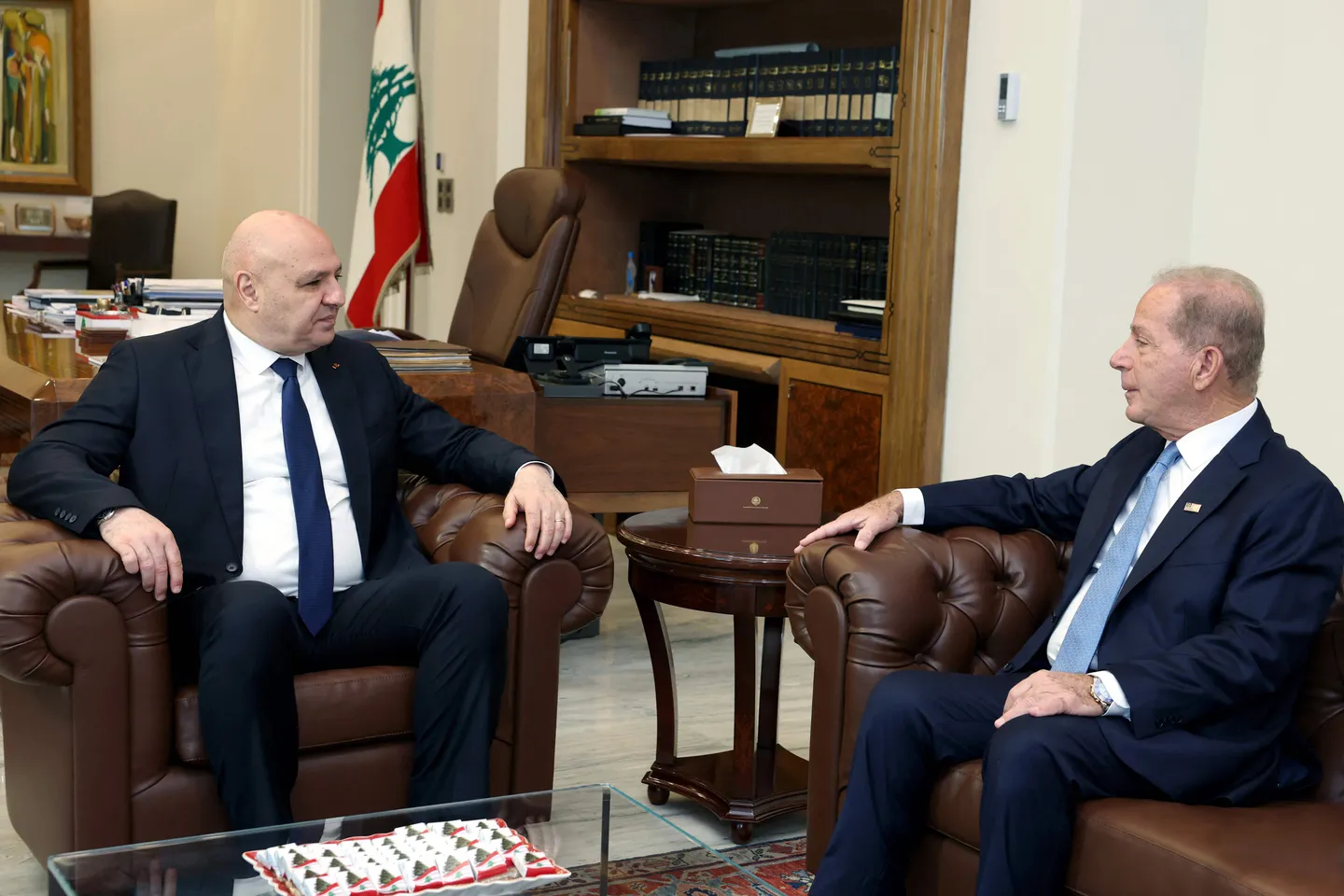
Israeli and Lebanese representatives are set to begin another two-day round of US-mediated talks in Rome on Tuesday, marking the sixth round of direct negotiations since the ceasefire between Iran, the United States and Israel was declared in April.
The meeting follows a US-brokered agreement reached in late June that outlined a roadmap for an Israeli withdrawal from southern Lebanon and the expanded deployment of the Lebanese Armed Forces.
Negotiators are expected to discuss implementation of the agreement, focusing on the first "pilot zones" where Israeli forces would withdraw and the Lebanese army would assume security control.
The agenda also includes verification mechanisms, security arrangements and timelines for future withdrawals. Israel has reportedly prepared to leave limited areas ahead of the Rome meeting, although no official timetable for a full withdrawal has been announced.
Unlike the previous round, which concluded with the signing of the agreement, only civilian officials are expected to attend this time, with no military representatives, an Israeli source told Haaretz.
On the previous talks
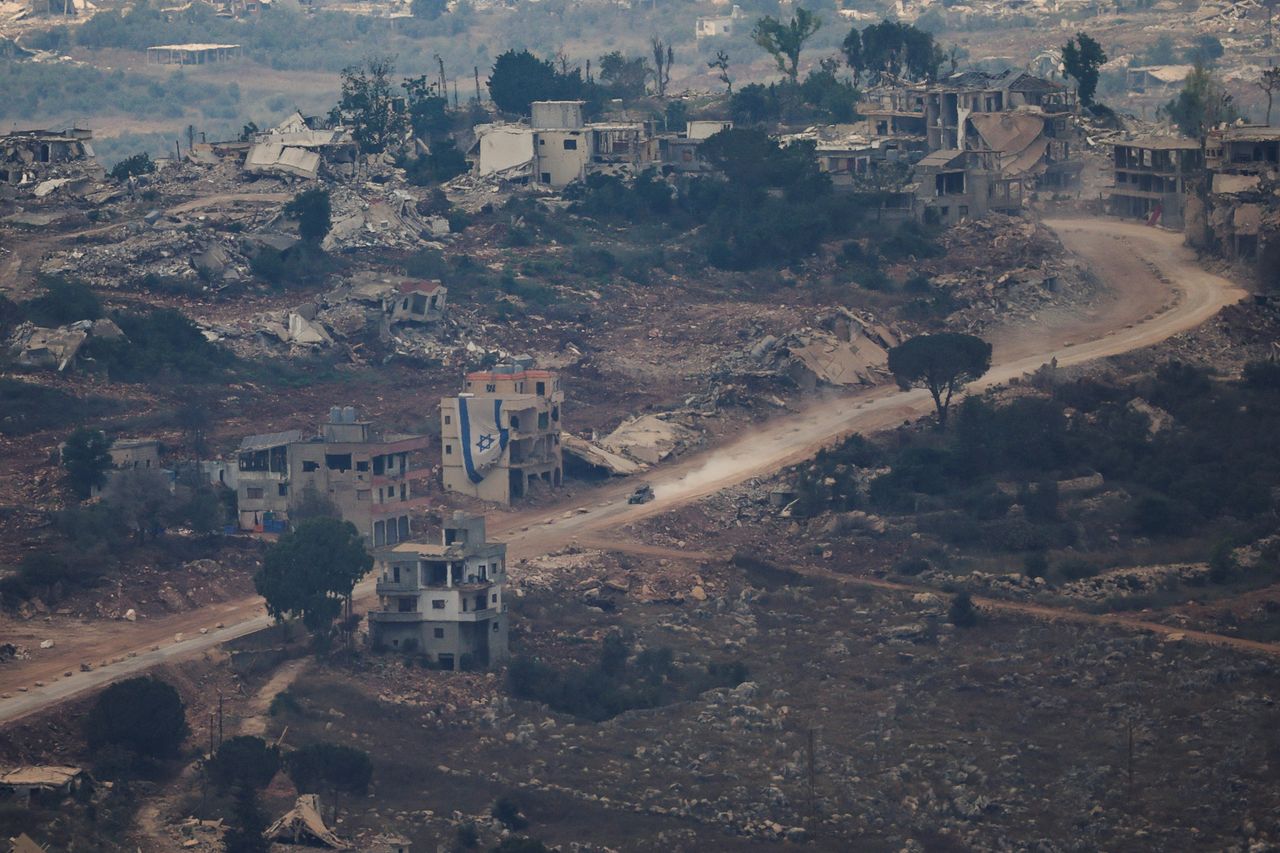
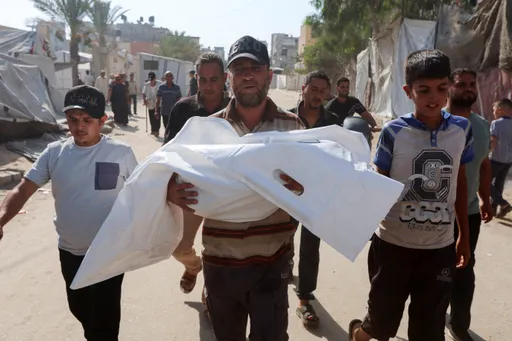
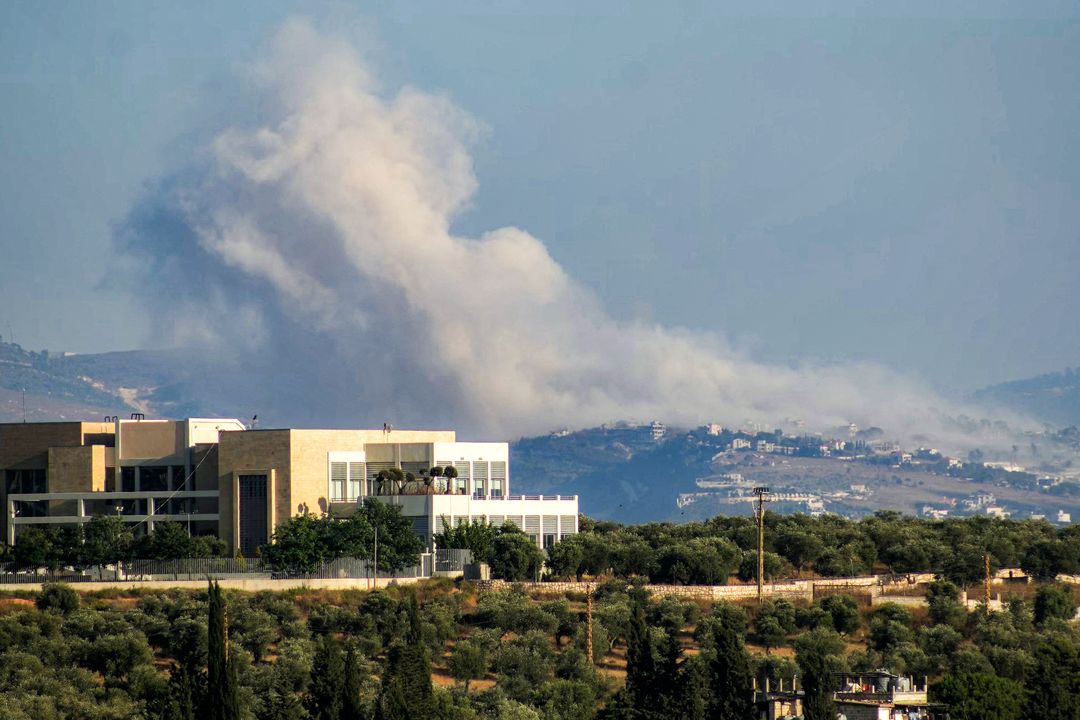
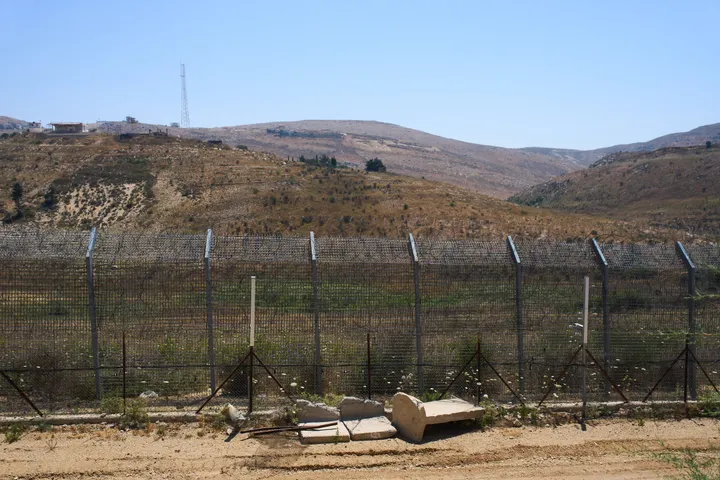
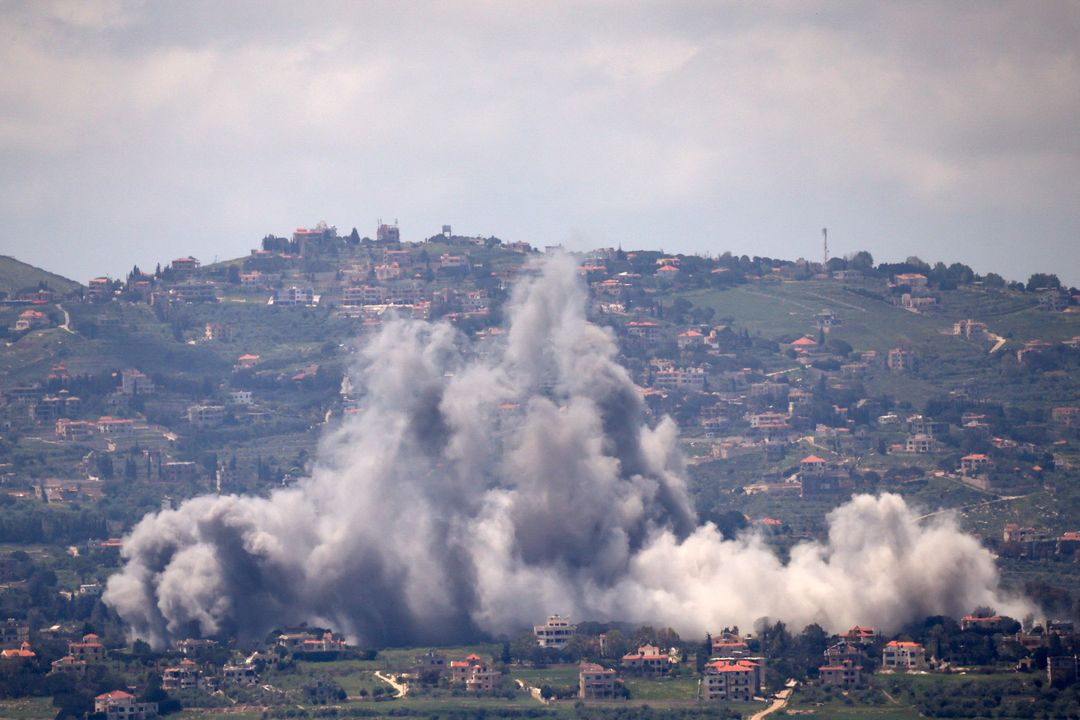
Israel’s latest occupation began in March after Hezbollah fired missiles into northern Israel, in retaliation for US-Israeli strikes on Iran, prompting Israel to launch air strikes and a ground offensive in Lebanon.
Washington hosted the first direct talks between Israeli and Lebanese delegations in more than three decades on April 14, 2026, establishing a formal diplomatic channel.
Although it produced no substantive agreements on the core disputes, the breakthrough ended years of indirect contacts and created a mechanism for continued negotiations.
During the second and third rounds held on April 23 and May 14, negotiators established technical working groups to discuss Israeli withdrawals from southern Lebanon and the deployment of the Lebanese army.
The meetings helped build confidence and establish a structured negotiating process. However, unresolved differences over implementation and security guarantees stalled further progress.
The fourth and fifth rounds, held on June 3 and June 23, marked a shift from confidence-building measures towards drafting a broader political framework.
By late June, the parties agreed to a US-sponsored roadmap linking phased Israeli withdrawals to an expanded Lebanese army deployment and the dismantling of Hezbollah's military infrastructure in southern Lebanon.
The roadmap represented the most significant breakthrough in the negotiations, providing the first structured framework endorsed by both governments.


Are the talks in a vicious circle?
The biggest obstacle remains the sequencing of an Israeli withdrawal and Hezbollah's disarmament.
The framework envisages the Lebanese army gradually taking control of southern Lebanon while Hezbollah's military presence is dismantled. Israeli withdrawals would proceed in stages as those conditions are met.
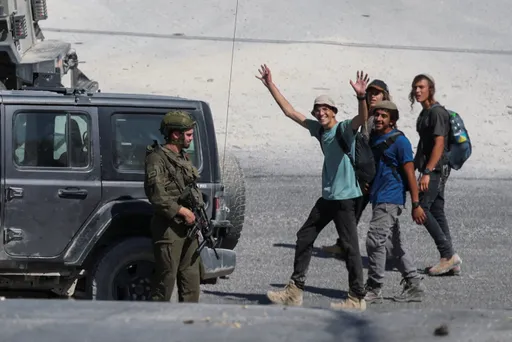
Unlike previous ceasefire arrangements, the current framework reportedly does not set a binding deadline for Israel's full withdrawal. Israeli officials have repeatedly argued that their forces will remain until Hezbollah no longer poses a “military threat” to northern Israel.
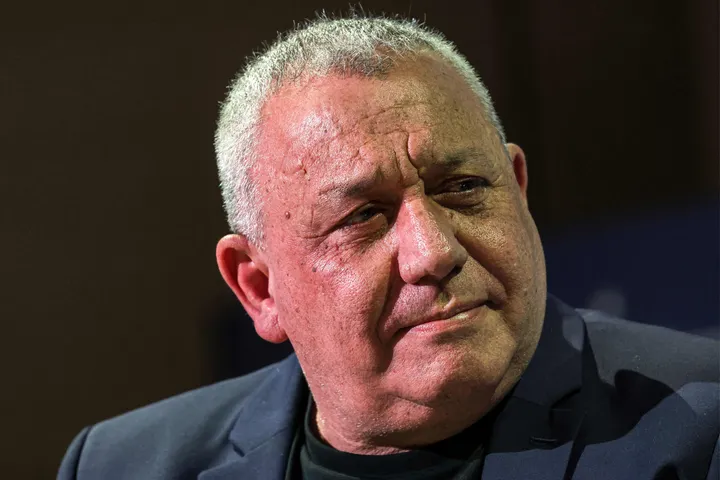
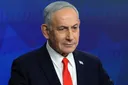
According to Israeli Ambassador to the United States Yechiel Leiter, Israel "can withdraw the moment that Hezbollah is dismantled."
"If Lebanon is not going to be receptive because Hezbollah is going to stay there, we haven't accomplished anything, and that's why they're called pilot zones," he said. "If it works, then we continue the withdrawal. If it doesn't work, then we stay where we are."
Hezbollah, however, has rejected disarmament while Israeli forces remain on Lebanese territory, arguing that armed resistance remains justified as long as parts of southern Lebanon are occupied.
As a result, each side continues to condition its next move on the other taking the first step.
Will Rome produce a breakthrough?
The meeting in Rome is expected to test whether the framework can move from paper to implementation rather than produce a comprehensive agreement.
A limited Israeli withdrawal from designated pilot zones would signal that the process remains on track. However, the absence of military representatives suggests the sides are unlikely to discuss the operational details of an Israeli withdrawal or the deployment of the Lebanese army into additional areas, according to Haaretz.
The main obstacle remains the sequencing of Israel's withdrawal and Hezbollah's disarmament. Unless negotiators resolve how and when the two will be linked, the talks risk repeating the pattern of the previous five rounds—modest technical progress without a credible political path towards a broader settlement.