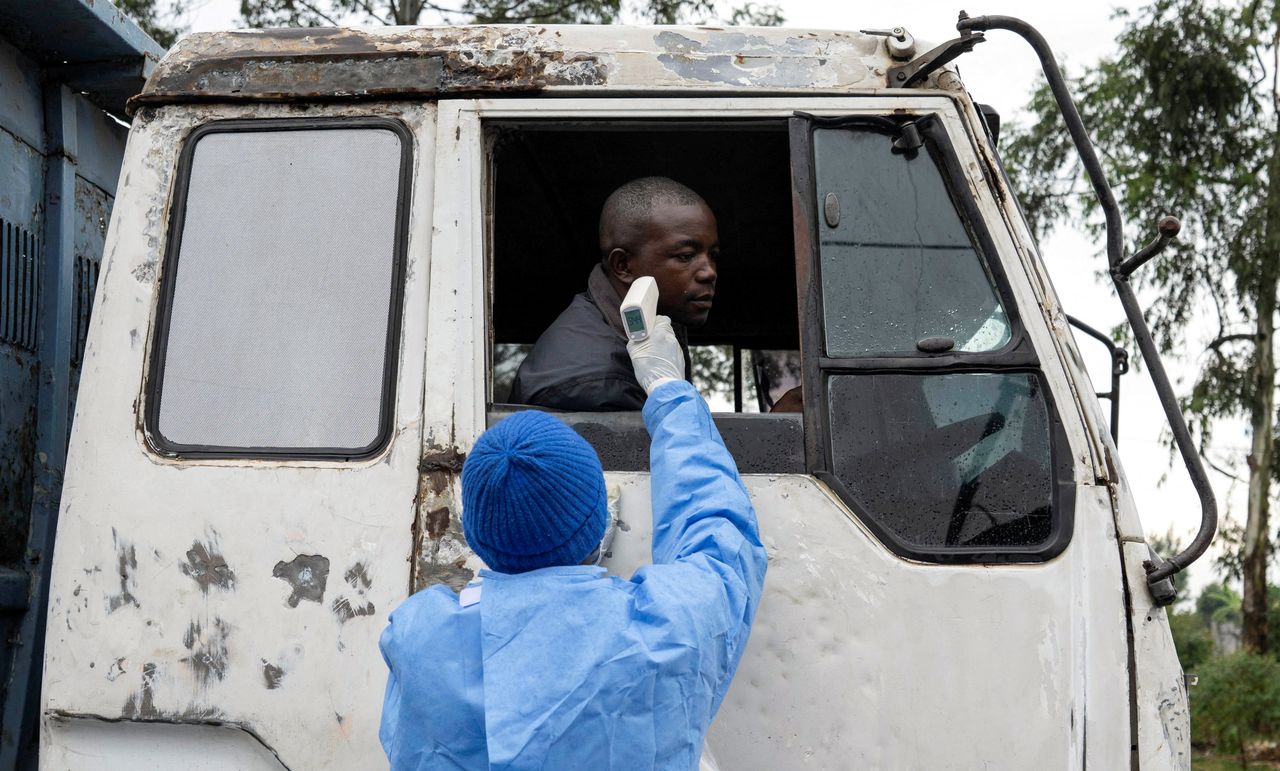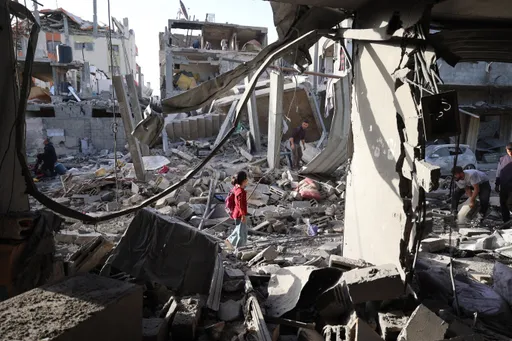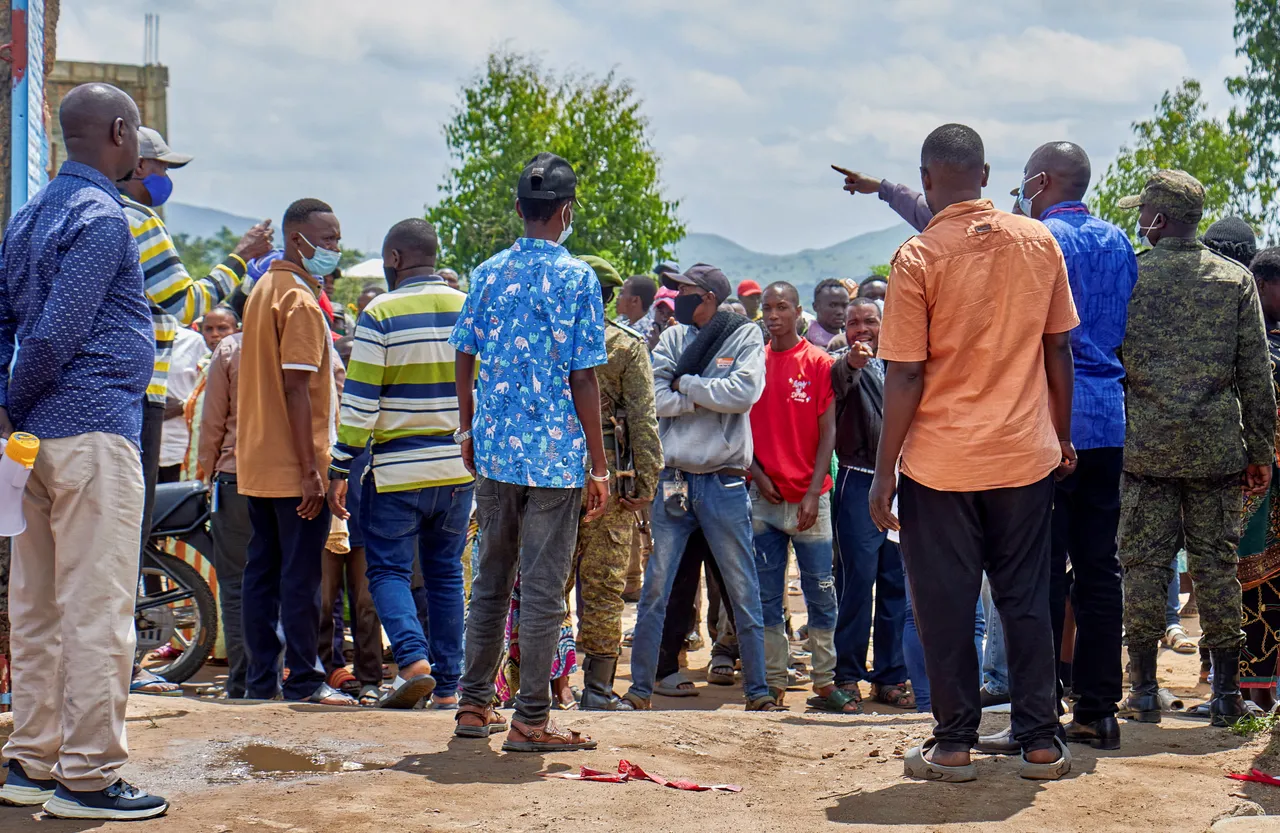
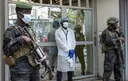
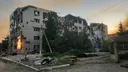
Angry protesters attacked and torched tents at an Ebola treatment centre in the eastern Democratic Republic of Congo’s Ituri province on Thursday, in an attempt to recover bodies of their relatives who died from the disease, a local official said.
The violence erupted at Rwampara Hospital on the outskirts of Ituri's provincial capital Bunia, after the families of Ebola victims demanded their bodies for burial, disputing reports that the deceased had died from Ebola, according to Luc Malembe, a local official.
The violence mirrors incidents in 2020 when several health centres were attacked by armed groups and angry civilians after the 2018 Ebola outbreak in eastern Congo due to mistrust of medical workers.
“Crowds gathered outside the hospital, and when they were denied the bodies of their relatives, they set fire to several tents sheltering Ebola patients, prompting police to fire teargas and warning shots,” the official told reporters in Rwampara town.
Malembe called for more community awareness to sensitise the population to the disease in a region already facing significant security challenges.
The disease outbreak was officially declared on May 15 in eastern Congo’s Ituri province.
Since then, Congolese health authorities and the World Health Organization (WHO) have reported about 600 suspected cases and 139 probable deaths.
The outbreak has since expanded to North Kivu and now South Kivu. Two imported cases involving Congolese citizens were reported in neighbouring Uganda.
Uganda has suspended flights from and to Congo in a bid to prevent the spread of the virus.
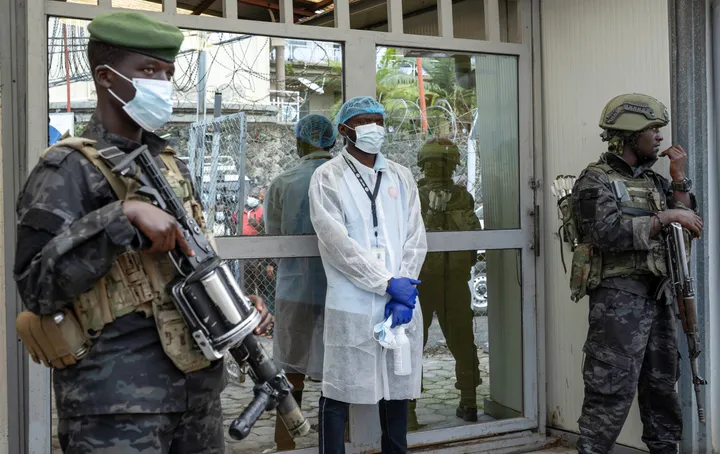



Uganda’s President Yoweri Museveni on Thursday reassured Ugandans and the international community that the current Ebola situation remains under control.
The director general of the African Centre for Disease Control and Prevention (Africa CDC), Jean Kaseya, asked people on Thursday to strictly adhere to preventive measures.
Speaking in Bunia, he reaffirmed the commitment of African partners to the response efforts against Ebola.
“We have highly motivated teams in place, with expertise, and we will strengthen them to manage this epidemic,” he said.
Last Sunday, the WHO declared the Ebola outbreak, caused by the Bundibugyo strain, a global health emergency following a surge in the number of suspected infections and deaths in eastern Congo. Meanwhile, the UN Under-Secretary-General for Humanitarian Affairs Tom Fletcher announced $60 million on Friday from the United Nations Central Emergency Response Fund to accelerate the Ebola response in Congo and the wider region.
In a post on X, Fletcher said the humanitarian community remained fully mobilised amid a challenging epidemiology with no licensed vaccines or treatments yet for the Bundibugyo strain.
“These are tough operating environments for lifesaving work. We face conflict and high population movement. We are working to secure safe and sustained access for frontline responders, including to areas controlled by armed groups. It is essential that there is no obstruction,” he said.