Brazilian President Luiz Inácio Lula da Silva on Sunday called for an extension of the country’s presidential runoff election, alleging that voters had been prevented from reaching polling stations after buses were taken out of circulation in São Paulo and several other cities.
“We are asking the Supreme Court to extend the electoral process so that those who were effectively barred from voting, due to the dirty tactics of mayors, can still cast their votes,” Lula said.
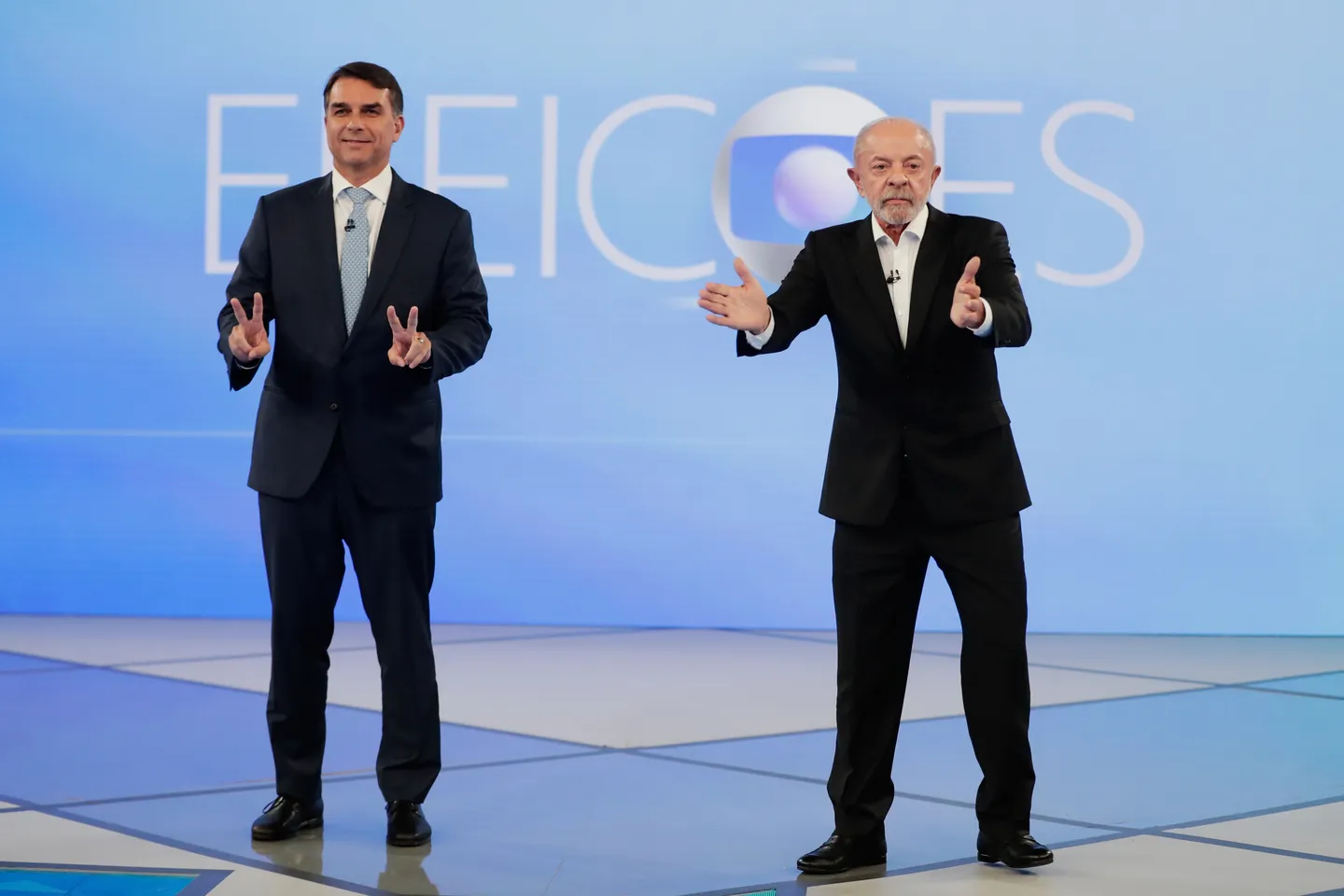
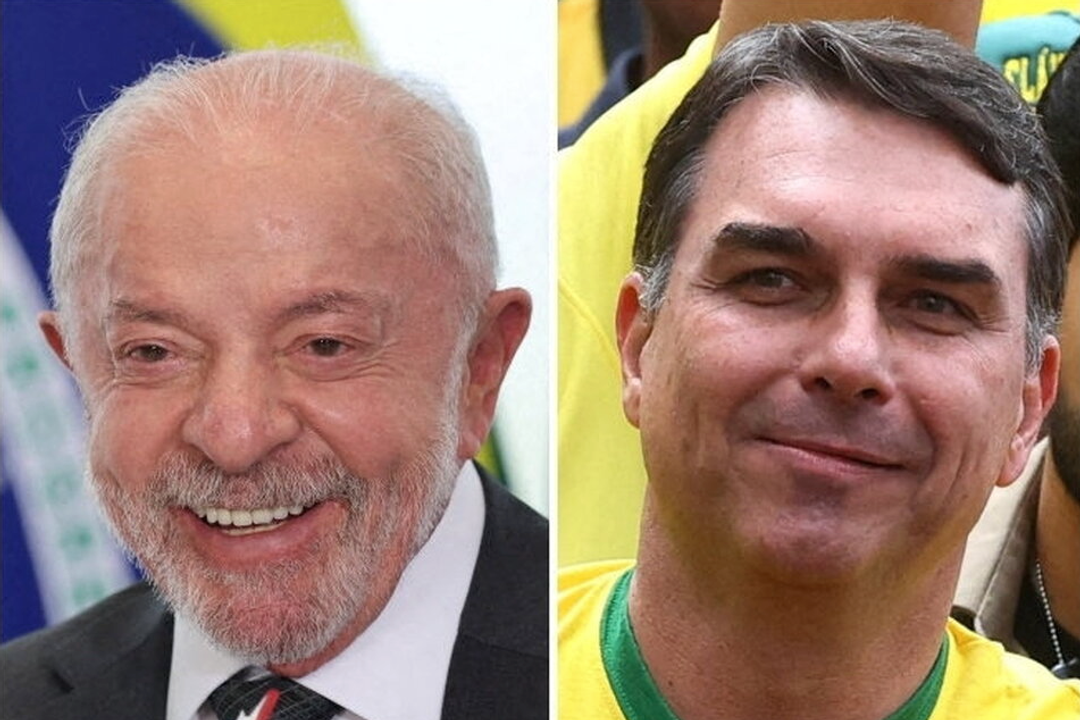
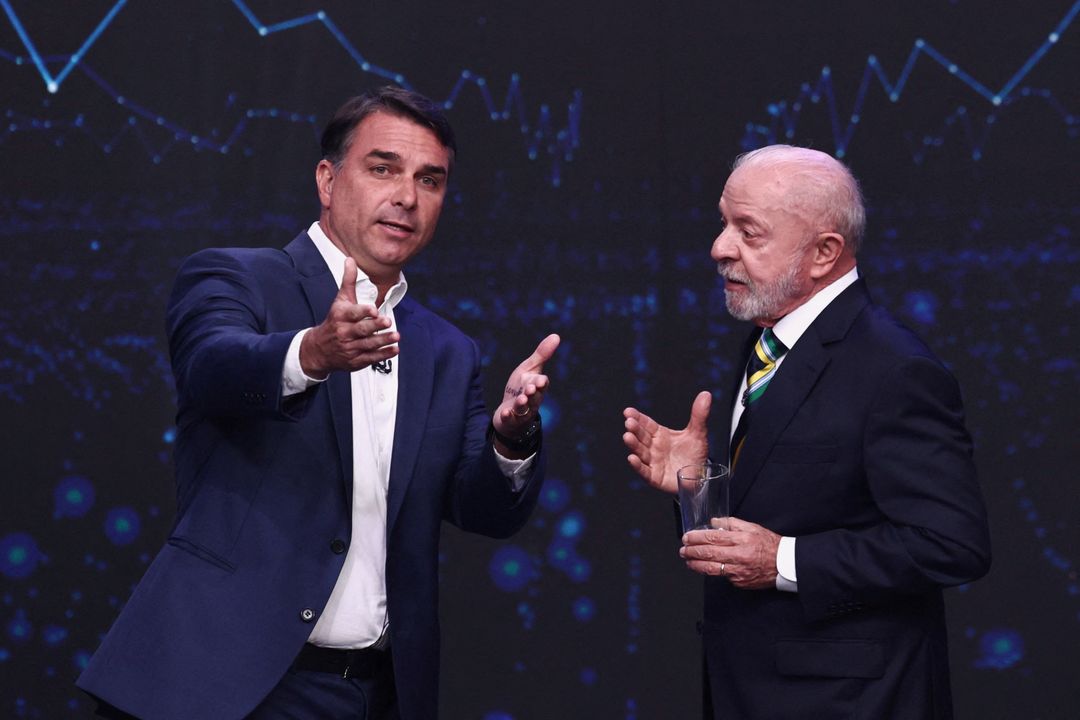
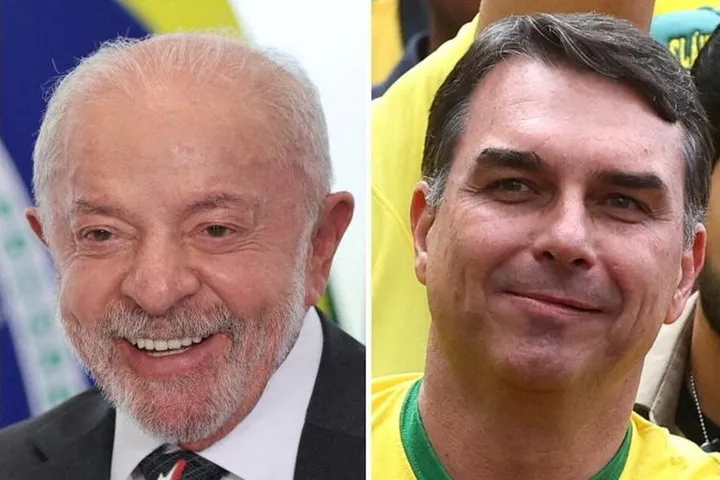
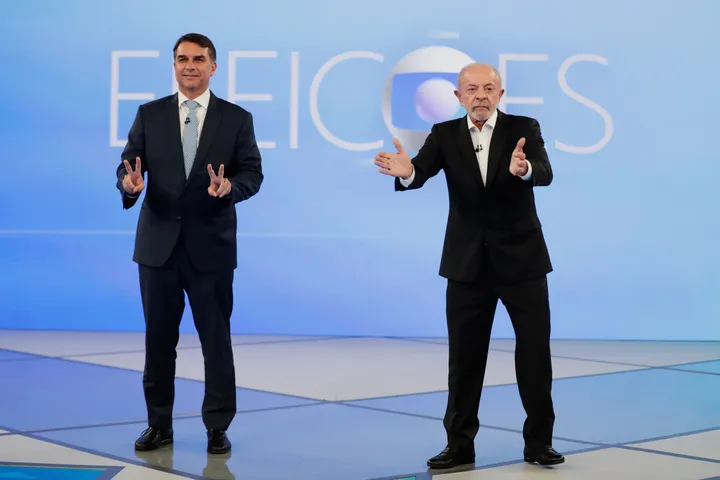
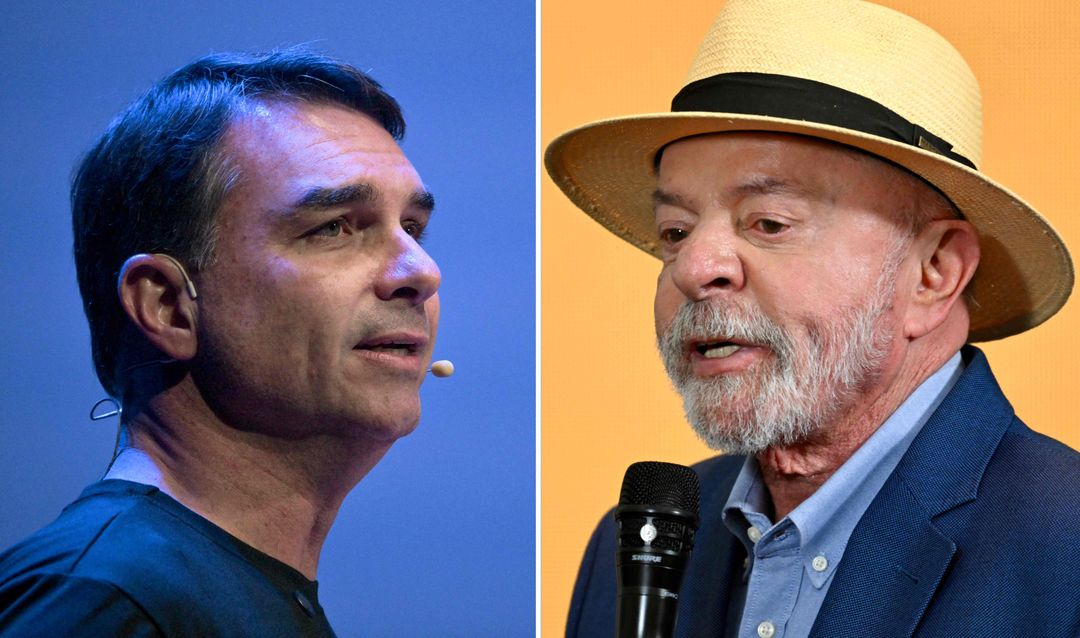
His demand came as Brazilians voted in a closely contested election between the 80-year-old incumbent and conservative Senator Flávio Bolsonaro, 45, the eldest son of former President Jair Bolsonaro.
Dozens of electoral offences reported
Brazil’s Justice and Public Security Ministry released a preliminary security report on Sunday documenting 89 election-related incidents nationwide.
The initial tally included nine people arrested at the scene, 16 formal incident reports and 16 people taken into custody. Authorities also established two police roadblocks, seized two vehicles and confiscated a batch of illegal campaign material.
Speaking at a press conference in Brasília, National Secretary of Penal Policies André Garcia said illegal campaigning remained a major concern during the vote.
“The main issue is illegal campaigning, which, unfortunately, is very common during this period,” Garcia said, adding that authorities were monitoring sensitive areas and conducting targeted operations within the prison system.
The report comes amid heightened scrutiny of electoral offences. According to the Federal Police, authorities opened more than 1,600 formal investigations into electoral crimes during 2026.
Federal and state security forces remained deployed nationwide to oversee voting and maintain public order until polls closed.
A razor-tight presidential contest
Polling stations opened at 8 am local time on Sunday for a runoff that could shape the political direction of Latin America’s largest economy.
The election pits Lula, of the Workers’ Party (PT), against Flávio Bolsonaro, whose candidacy has mobilised the conservative political base built by his father.
In the first round on October 4, Bolsonaro secured 47% of valid votes, ahead of Lula’s 45%, with neither candidate winning an outright majority. The latest Datafolha polling cited in the election campaign put both candidates level at 50% of valid votes, underscoring the uncertainty surrounding the outcome.
The campaign has focused on the rising cost of living, public security and persistent corruption concerns, issues that have shaped voters’ daily lives and fuelled political divisions.
Lula, who governed Brazil from 2003 to 2010 and returned to office after defeating Jair Bolsonaro in 2022, is seeking a fourth non-consecutive presidential term.
Flávio Bolsonaro entered the race after his father was barred from holding public office and sentenced to 27 years in prison following investigations into an alleged coup plot after his 2022 election defeat.
Regional stakes extend beyond Brazil
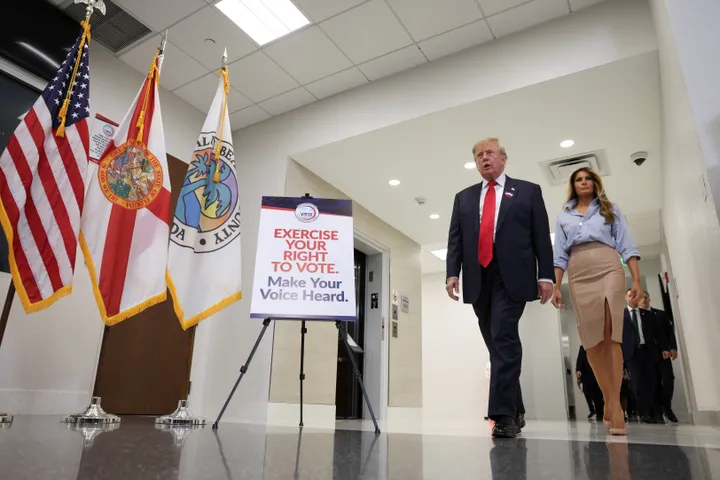
The outcome is also being closely watched across Latin America. A Bolsonaro victory could strengthen the conservative right in South America and bring Brazil closer to the regional political shift associated with US President Donald Trump’s administration.
More than 150 million registered voters are eligible to cast ballots electronically across Brazil’s 26 states and the Federal District. Preliminary results are expected shortly after polls cl