US consumer inflation has accelerated in March to its highest level since May 2024 as a steep rise in energy prices, led by gasoline, pushed up the overall cost of living, according to data released by the Bureau of Labour Statistics.
The consumer price index (CPI) increased 0.9% on a monthly basis in March, its highest increase since June 2022, after rising 0.3% in February, while annual inflation climbed to 3.3% from 2.4% the previous month, the report, released on Friday, said.
As the Iran war drives energy costs higher, hitting households, pressure appears to be building on Trump as he pushes for peace talks.
This is the highest 12-month inflation rate of Trump’s second term in office. The last time the year-over-year rate hit 3.3 percent was May 2024.
Energy prices rose 10.9% in March, the largest monthly increase in the category in over 20 years, since September 2005.
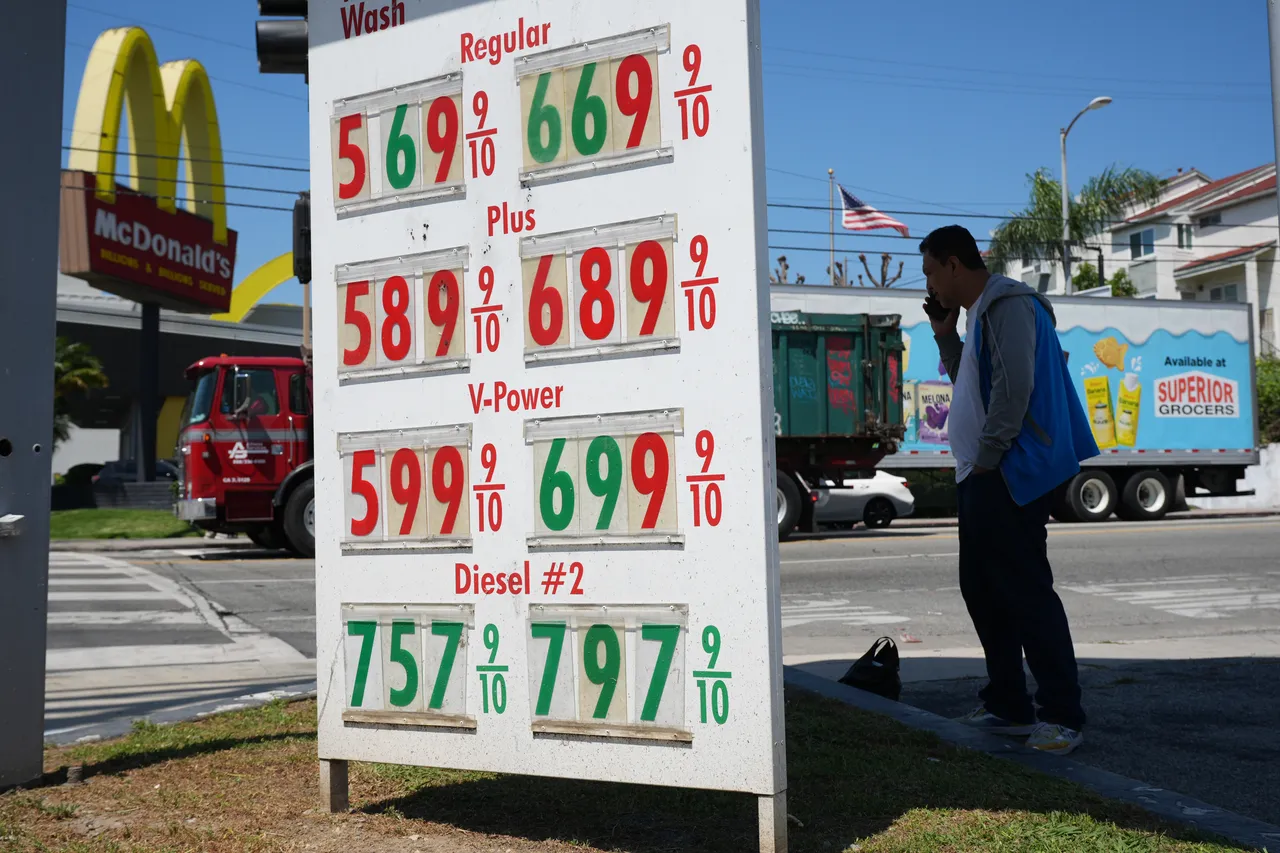
US gasoline prices leap 25 percent in a month, the steepest rise on record, as the US–Israeli war with Iran in its sixth week ripples through global markets and daily costs, data from the Energy Information Administration shows.
The average price of regular gasoline climbs to $3.64 in March from $2.91 in February, a sharper jump than during 2022 when prices spiked above $5 a gallon after the Russia–Ukraine war began.
Gasoline prices posted the largest monthly gain since the series began in 1967, nearly six decades ago, accounting for nearly three-quarters of the overall monthly increase in consumer prices.







Prices edge higher
On an annual basis, the energy index leaped 12.5% in March, while gasoline prices were up 18.9% from a year earlier.
Shelter costs also continued to rise, increasing 0.3% over the month, while food prices were unchanged. Food away from home rose 0.2%, but food at home fell 0.2%.
Core inflation, which excludes food and energy, rose 0.2% in March, the same as in February. Over the 12 months through March, core CPI increased 2.6%, compared with a 2.5% annual rise in February.
Among other categories, airline fares across the US rose 2.7% in March, apparel increased 1%, household furnishings and operations gained 0.2%, education rose 0.3%, and new vehicles edged up 0.1%.
The White House framed the inflation spike as a short-term disruption, saying President Trump is “diligently working to mitigate.”
A White House spokesperson said, “As the administration ensures the free flow of energy through the Strait of Hormuz, the American economy remains on a solid trajectory thanks to the Administration’s robust supply-side agenda of tax cuts, deregulation, and energy abundance.”
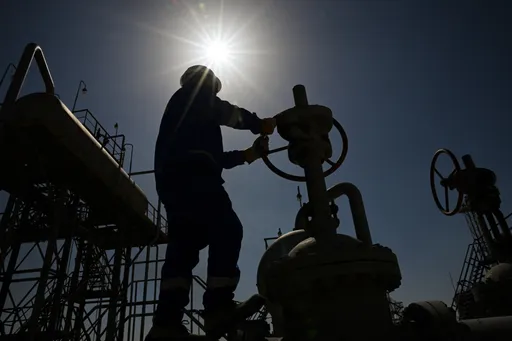
The surge in inflation came amid a severe energy shock after the Iran war disrupted flows through the Strait of Hormuz, a key artery for global crude and LNG trade.
Brent crude initially climbed toward $120 a barrel after the waterway’s closure before stabilising around $100, while continued restrictions on shipping have kept supply concerns elevated even with a ceasefire.