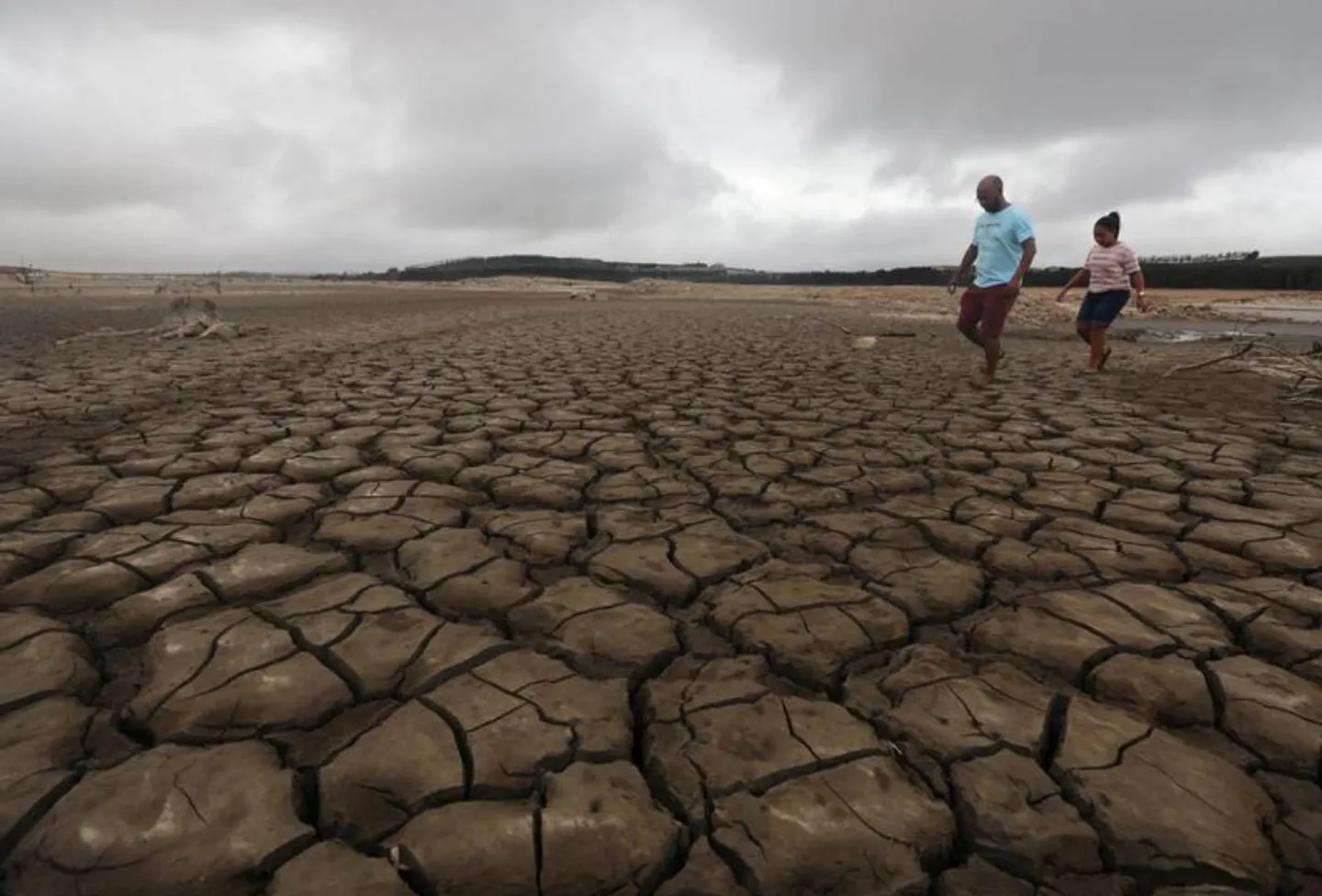
An ongoing El Nino could push sea-surface temperatures in the Pacific to record levels, increasing the risk of extreme heat, drought and flooding worldwide, the World Meteorological Organization (WMO) said on Thursday.
In its latest Global Seasonal Climate Update, the UN weather agency said there was a near-100 percent likelihood that El Nino would persist through February 2027, with the event expected to peak around December.
“El Nino is firmly established and strengthening rapidly,” WMO Secretary-General Celeste Saulo said, warning it could become “one of the strongest since at least 1950”.
For October to December, sea-surface temperatures in the central and eastern equatorial Pacific are forecast to average about 3.7°C above normal. The WMO said this would be the highest level recorded since observations began.
The previous record was 2.6°C above normal during the November 2015 to January 2016 period.
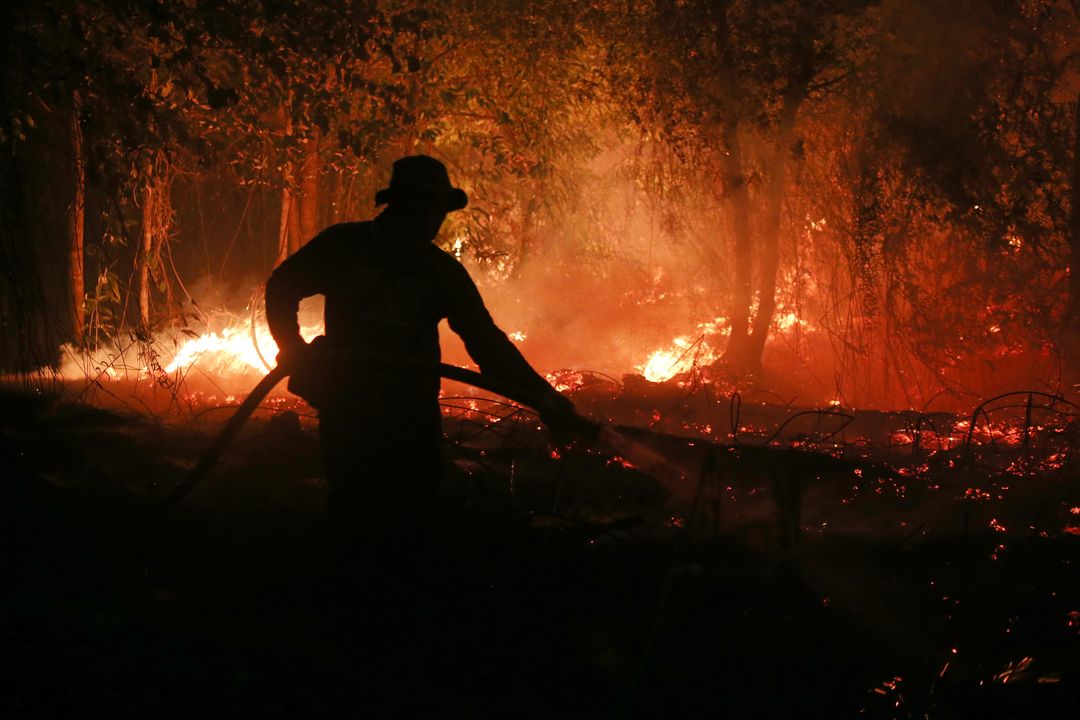
Shifting rainfall patterns

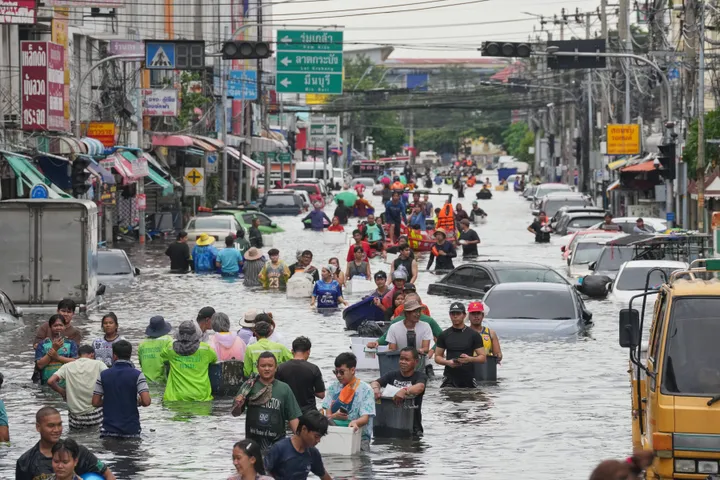


The WMO said El Nino was likely to bring above-average temperatures across large parts of the world while significantly altering rainfall patterns.
Wetter-than-normal conditions are forecast in the Greater Horn of Africa, parts of Central and East Asia, northern parts of the Arabian Peninsula, parts of North America and southeastern South America.
Drier-than-normal conditions are expected across the Indian subcontinent, southern Central America, parts of the Caribbean and northwestern South America.
Saulo said El Nino does not create additional planetary heat but releases heat already stored in the ocean. She warned that the ocean from which the current event is drawing heat is “the warmest we've ever measured it”.
The WMO said national meteorological services and regional climate forums were providing regular updates to governments and humanitarian partners to support preparedness and risk management.