Washington, DC — Wes Streeting’s resignation as the UK’s health secretary has thrust the Labour Party into open crisis, exposing deep fractures at the heart of Keir Starmer’s government just two years after its landslide victory.
In a bluntly worded letter posted on X on Thursday, Streeting told the British prime minister he had “lost confidence” in his leadership.
“Where we need vision, we have a vacuum,” he wrote, adding that it was now clear Starmer would not lead Labour into the next general election.
The move came after weeks of mounting pressure following Labour’s heavy defeats in last week’s local elections in the UK.
The party suffered its worst local election results in decades, losing more than 1,400 council seats and control of dozens of authorities.
Reform UK made major gains, particularly in traditional Labour heartlands in the north and east of England, capitalising on voter anger over immigration, living costs and strained public services.
Starmer’s approval ratings have plunged, with many voters feeling the government has failed to deliver the “change” it promised in 2024.
More than 80 Labour MPs have now called for Starmer to set out a timetable for his departure. Four other ministers (Miatta Fahnbulleh, Jess Phillips, Alex Davies-Jones and Zubir Ahmed) have already quit, and speculation is rife that a formal leadership contest could be triggered soon.
Under Labour rules, any challenger needs the backing of at least 20 percent of the party’s MPs, roughly 81 lawmakers.
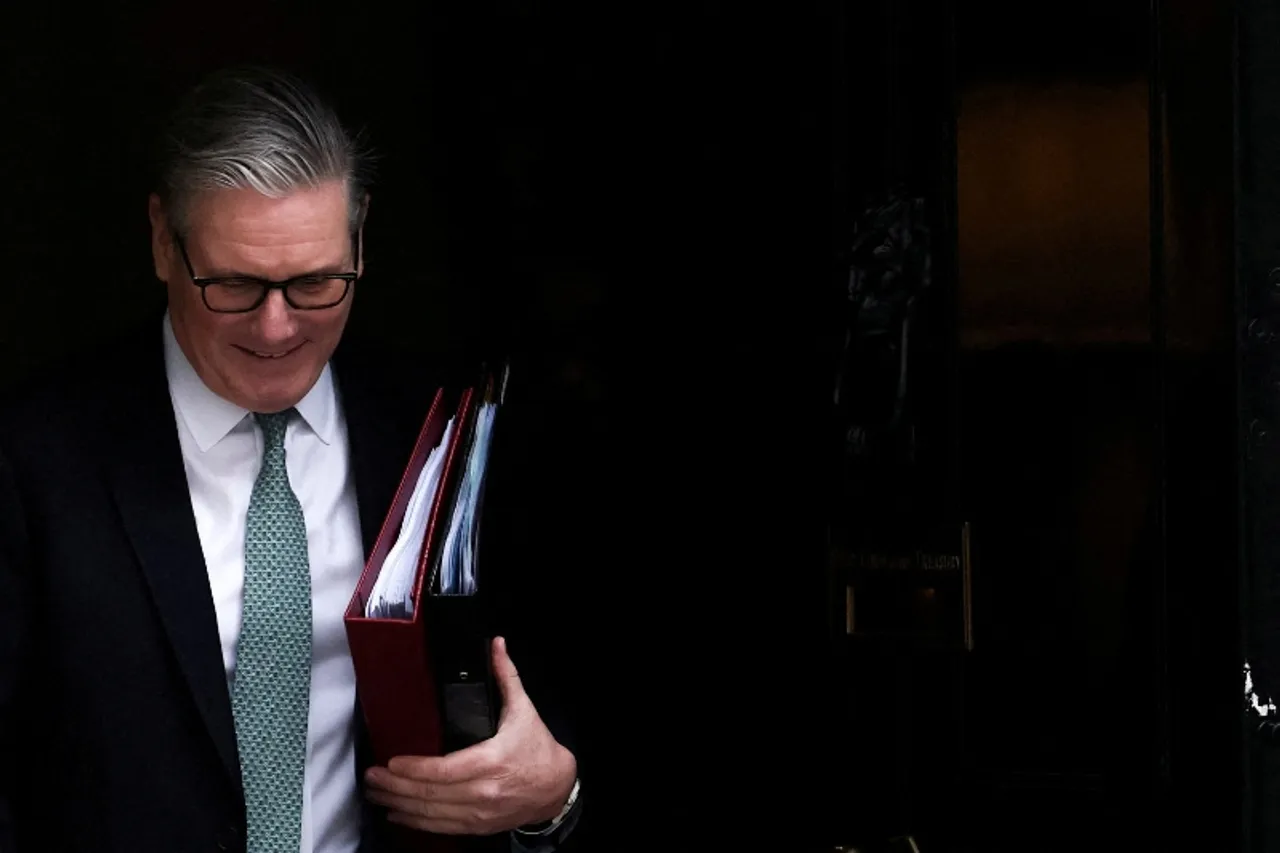
Starmer has insisted he will fight on. In his reply to Streeting, he expressed regret at the departure but said the government must focus on delivering on its promises to fix the NHS, control borders and rebuild the economy.
Yet with the party’s traditional base eroding and Reform UK on the rise, many inside Labour believe time is running out.
The potential challengers
Several senior figures are now being discussed as possible successors. Here are the main names in the frame:
Wes Streeting
At 43, the former health secretary is seen as the most immediate threat to Starmer. A polished communicator from the party’s centre-right, Streeting rose rapidly after entering parliament in 2015.
He grew up in a council flat in east London, the son of a single mother, and has often spoken about his experiences with the NHS and social services.
As health secretary, he claimed progress in cutting waiting lists, though critics say deeper structural problems remain unresolved.
His resignation letter was carefully timed, and allies say he already has the required MP nominations to launch a bid.
Streeting appeals to moderates and some swing voters but is viewed warily by the party’s left, who see him as too willing to embrace market-style reforms in public services.
Angela Rayner
The former deputy prime minister remains a powerful voice on the party’s left.
Born in Stockport and a former care worker, Rayner left school at 16 and became a young mother.
Her life story has made her a favourite among traditional Labour voters and trade unionists.
She has advocated strongly for bolder policies on housing, workers’ rights and welfare protection.
Though she stepped down from the deputy role last year amid questions over her tax affairs, recent clearance by authorities has strengthened her position.





Rayner is popular with party members and could unify parts of the left, but she may struggle to win over the parliamentary party’s more centrist wing.
Andy Burnham
Often described as the “King of the North,” the mayor of Greater Manchester consistently tops public opinion polls as the most popular Labour politician in the UK.
A former cabinet minister under Gordon Brown, Burnham has built a strong record on local issues, including transport, housing and support for victims of the Hillsborough disaster.
At 56, he enjoys genuine cross-party appeal in northern England and has net positive approval ratings with the wider public, something few other contenders can claim.
The main obstacle is his lack of a parliamentary seat.
A by-election in the safe Labour seat of Makerfield, following the resignation of MP Josh Simons, could offer a route back to Westminster, but the timing is tight.
Supporters argue that a managed transition would give him the best chance.
Ed Miliband
The energy secretary and former Labour leader is emerging as a serious “stop Streeting” candidate from the soft left.
Miliband led the party from 2010 to 2015, taking it to a narrow defeat against the Conservatives in 2015 before stepping down.
Now back in the cabinet, he has been more outspoken recently on issues such as energy policy and corporate reform.
Allies say he has enough MP support to stand if a contest opens and could appeal to members looking for an experienced figure who understands the challenges of opposition and government.
At a time when the party craves fresh ideas on climate, inequality and public ownership, Miliband’s track record, including his earlier push for a “green industrial revolution”, could resonate.
However, memories of the 2015 defeat and questions about his ability to connect with voters in Red Wall seats may hold him back.
Other names occasionally mentioned include Home Secretary Shabana Mahmood and some younger ministers, but none currently command the same level of speculation as the top four.
Labour swept to power in July 2024 with a huge majority after 14 years of Conservative governments plagued by chaos and scandal.
Yet barely 22 months later, that mandate is crumbling.
Voter frustration over broken promises on NHS waiting times, high immigration numbers and squeezed household budgets has fuelled the rise of Reform UK and growing apathy among traditional supporters.
Whether Streeting’s dramatic exit forces an immediate contest or leads to a more prolonged period of instability remains to be seen.
For now, Starmer holds on to office, insisting he alone can steer the ship through turbulent waters.
But inside the Labour Party, the debate about what comes next is no longer whispers in the corridors. It has become a very public reckoning.