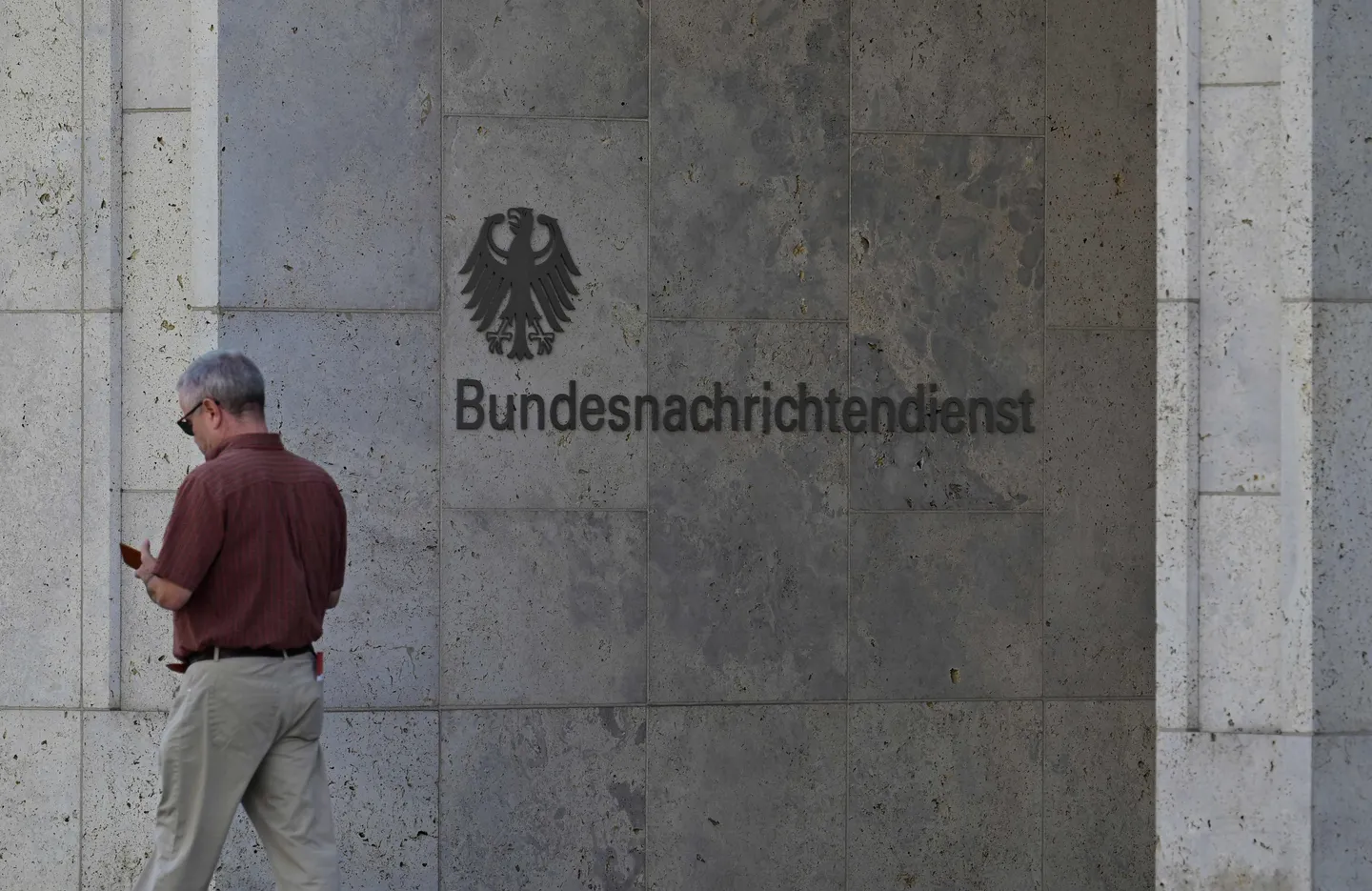
Germany will take new measures to counter espionage and sabotage as it continues to face what the government describes as ”hybrid attacks” from Russia, officials said late on Monday after a National Security Council meeting.
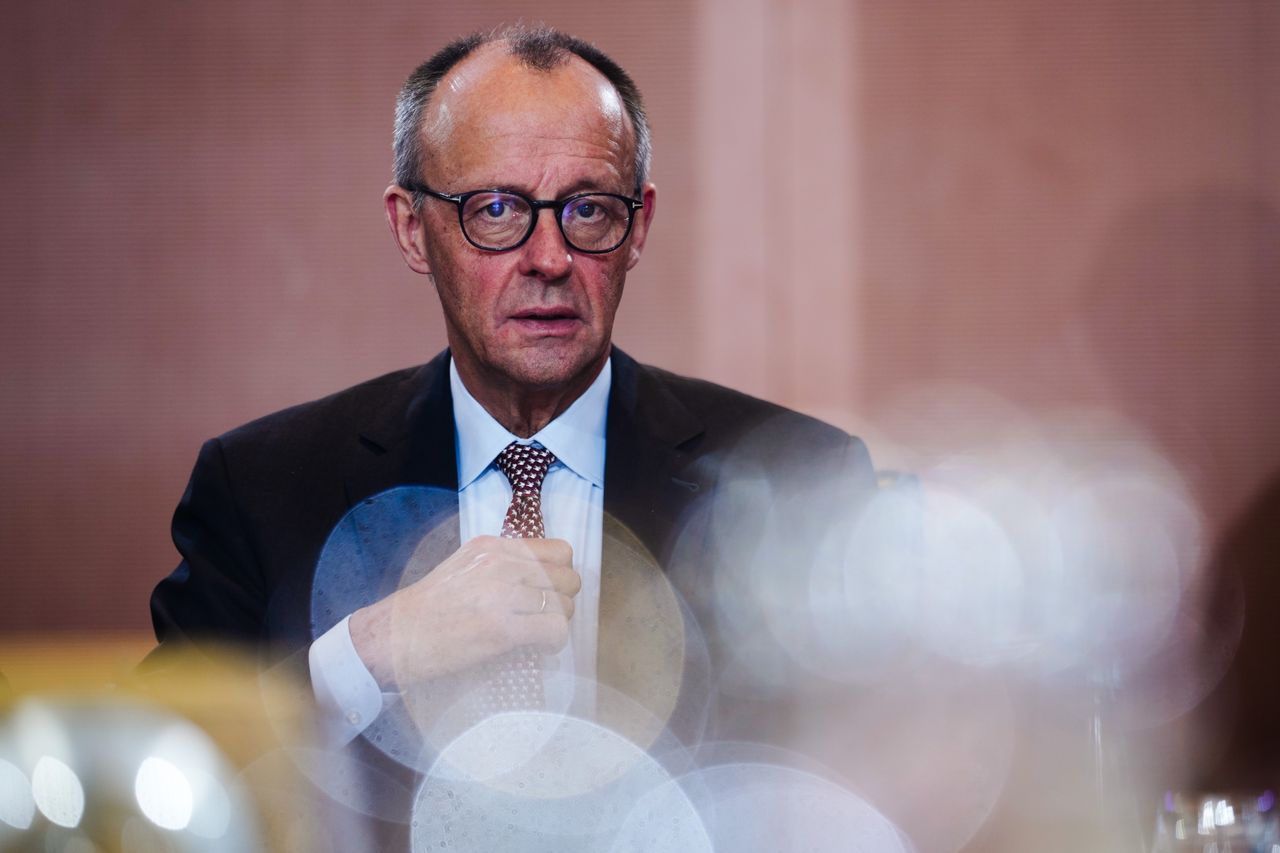
Government spokesperson Stefan Kornelius said the council, chaired by Chancellor Friedrich Merz, reviewed Germany’s exposure to hybrid threats following a drone attack at Leipzig Airport last month that authorities claimed was planned by Russian intelligence.
“The National Security Council obtained a comprehensive picture of the situation,” Kornelius said, adding that Germany should expect to remain a target of such hybrid attacks.

Critical infrastructure in focus
The council discussed how the federal government should respond to future hybrid attacks and reviewed measures already adopted under its action plan to strengthen national defences.
It approved new steps against espionage and sabotage, as well as measures to protect critical infrastructure, Kornelius said.
The meeting followed weeks of coordination among ministries represented on the National Security Council.





Germany moves to reduce strategic dependence
The council also agreed on measures to reduce Germany’s reliance on foreign suppliers for goods and resources considered important to its economic and national security.
Officials backed a swift revision of investment-screening legislation and measures aimed at creating a more diversified and resilient supply chain for critical raw materials.
Kornelius said the government’s Raw Materials Fund remains the main financing instrument under Germany’s Raw Materials Policy Action Plan.
The council also reviewed military and civilian defence and discussed security risks linked to artificial intelligence.