Türkiye has strictly implemented the Montreux Convention since Russia launched its war against Ukraine in 2022, helping prevent the conflict from spreading to a wider region and limiting its impact on the Black Sea, Turkish Defence Minister Yasar Guler has said.
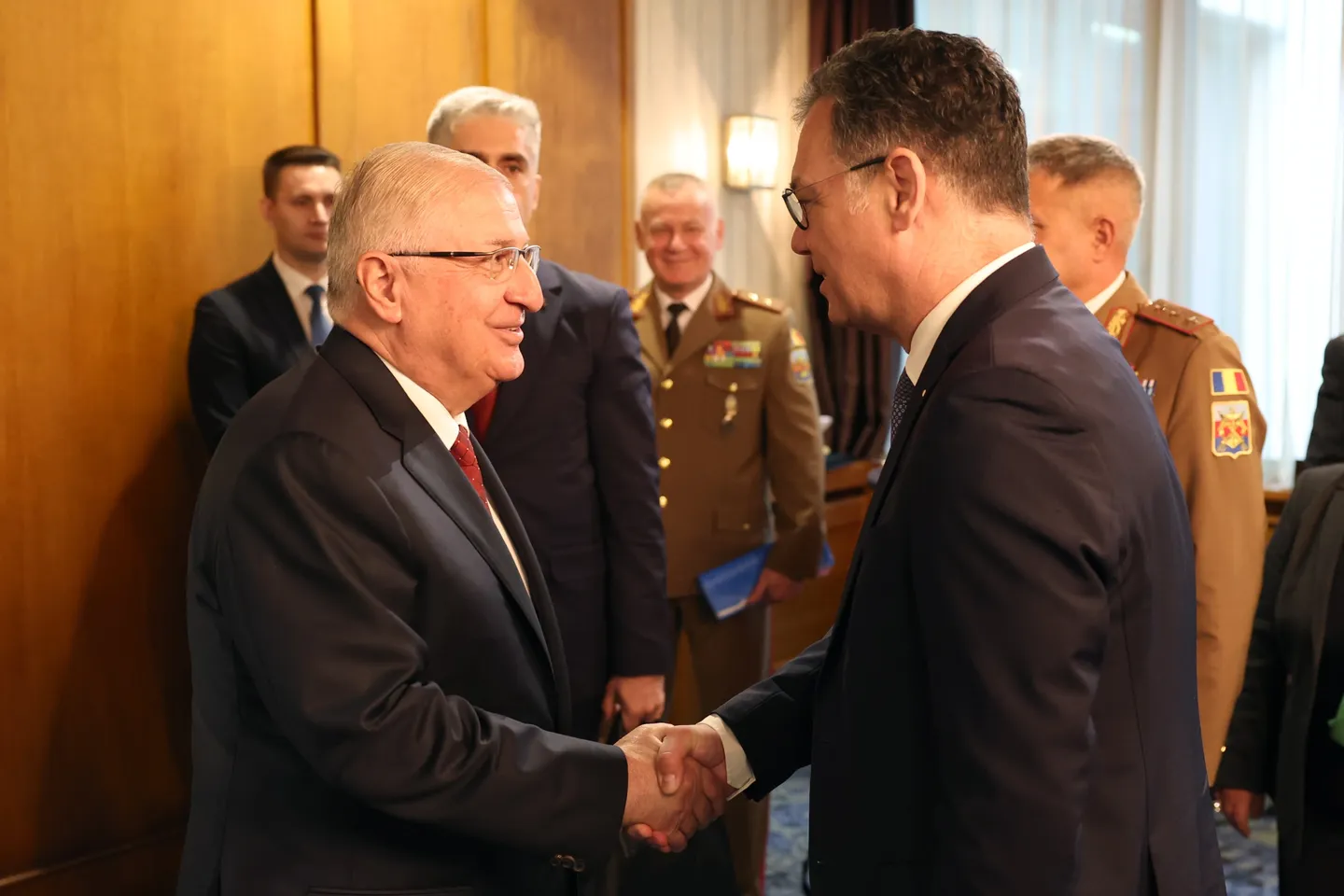
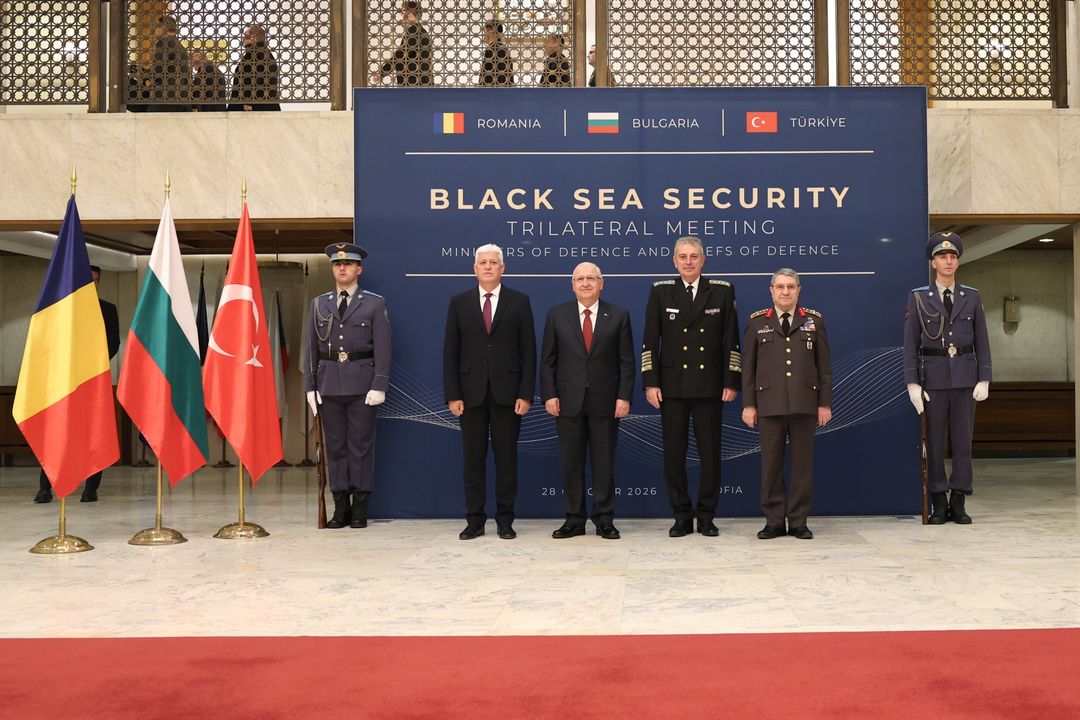
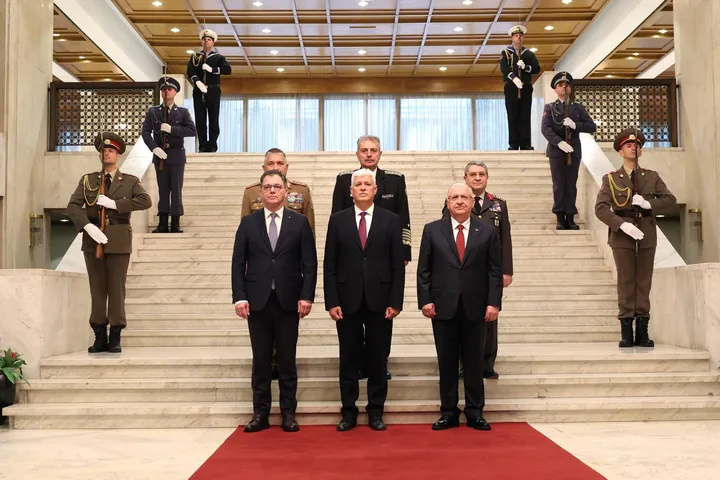
Speaking on Wednesday at a joint news conference in Sofia after a meeting of defence ministers and chiefs of general staff from Türkiye, Bulgaria and Romania, Guler said Ankara remained committed to Ukraine’s sovereignty and territorial integrity while maintaining channels of dialogue with Russia to prevent further escalation.
Chief of General Staff General Selcuk Bayraktaroglu also attended the meeting.
Türkiye warns over attacks on commercial vessels
Guler said the war had significantly affected Black Sea security, with commercial vessels coming under attack and threats emerging from drifting mines, unmanned surface vehicles, drones and missile fragments.
He expressed concern over repeated attacks on commercial shipping and said Türkiye had urged both sides to exercise restraint and respect freedom of navigation in international waters.
“We learned today that another commercial vessel was struck by three drones in Bulgaria’s maritime jurisdiction,” Guler said, calling for greater caution from both parties.
He added that Türkiye reserved all legal rights in response to attacks on Turkish-flagged and Turkish-operated vessels and was closely monitoring developments.
Although Türkiye, Bulgaria and Romania had the military capabilities to respond to threats, Guler stressed that decisions must account for timing and regional circumstances.
He called for careful diplomacy and rational decisions at both tactical and strategic levels to avoid increasing tensions.
Regional cooperation to counter mines and protect infrastructure
Guler said Türkiye, which has the longest coastline on the Black Sea, considers regional stability and maritime security essential.

He highlighted mine-countermeasure operations conducted by Türkiye’s naval and naval aviation forces to reduce risks to shipping.
He also pointed to the Black Sea Mine Countermeasures Task Group, known as MCM Black Sea, established by the three coastal countries to tackle the threat posed by drifting mines.
Other countries can contribute to the initiative without deploying vessels, in line with an agreement among its members, he said.
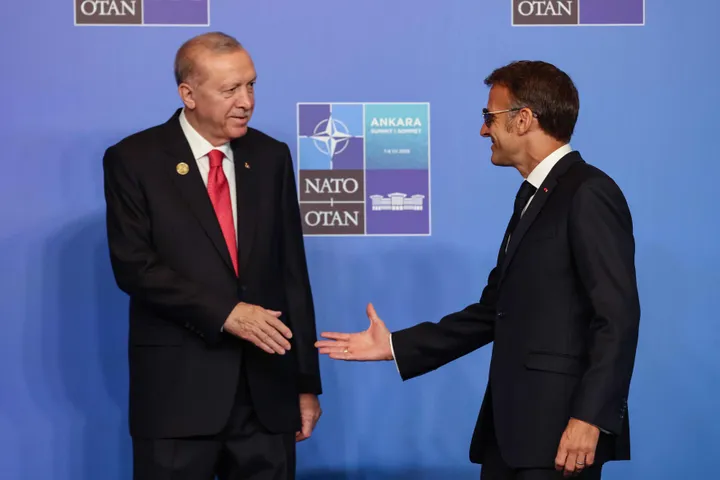
Guler also emphasised the importance of protecting critical underwater infrastructure, noting that amendments to a related memorandum of understanding were signed on July 7 on the sidelines of the NATO Summit.
Türkiye has further demonstrated its commitment to regional cooperation by assuming leadership of the Maritime Component Command under the Ukraine Volunteer Coalition, he added.
Ankara calls civilian shipping a red line
Guler said Türkiye continued to use diplomatic channels to create opportunities for dialogue between Russia and Ukraine, with the aim of protecting maritime trade routes and ensuring freedom of navigation.
Both sides were being repeatedly warned that commercial shipping must remain outside the conflict zone and that attacks on civilian vessels must stop immediately, he said.
He described the coordinated position adopted by Türkiye, Bulgaria and Romania as a clear message that the safety of commercial routes and the security of Black Sea coastal countries must not be compromised.
The three countries have taken joint steps to limit the war’s impact on their security and citizens’ well-being, while maintaining safe navigation, Guler said.
He pledged that Türkiye would continue taking necessary measures to support maritime safety, guided by regional cooperation and the capabilities available to the countries involved.
The joint text agreed upon at Wednesday’s meeting, he added, reaffirmed the three countries’ firm stance on Black Sea security.