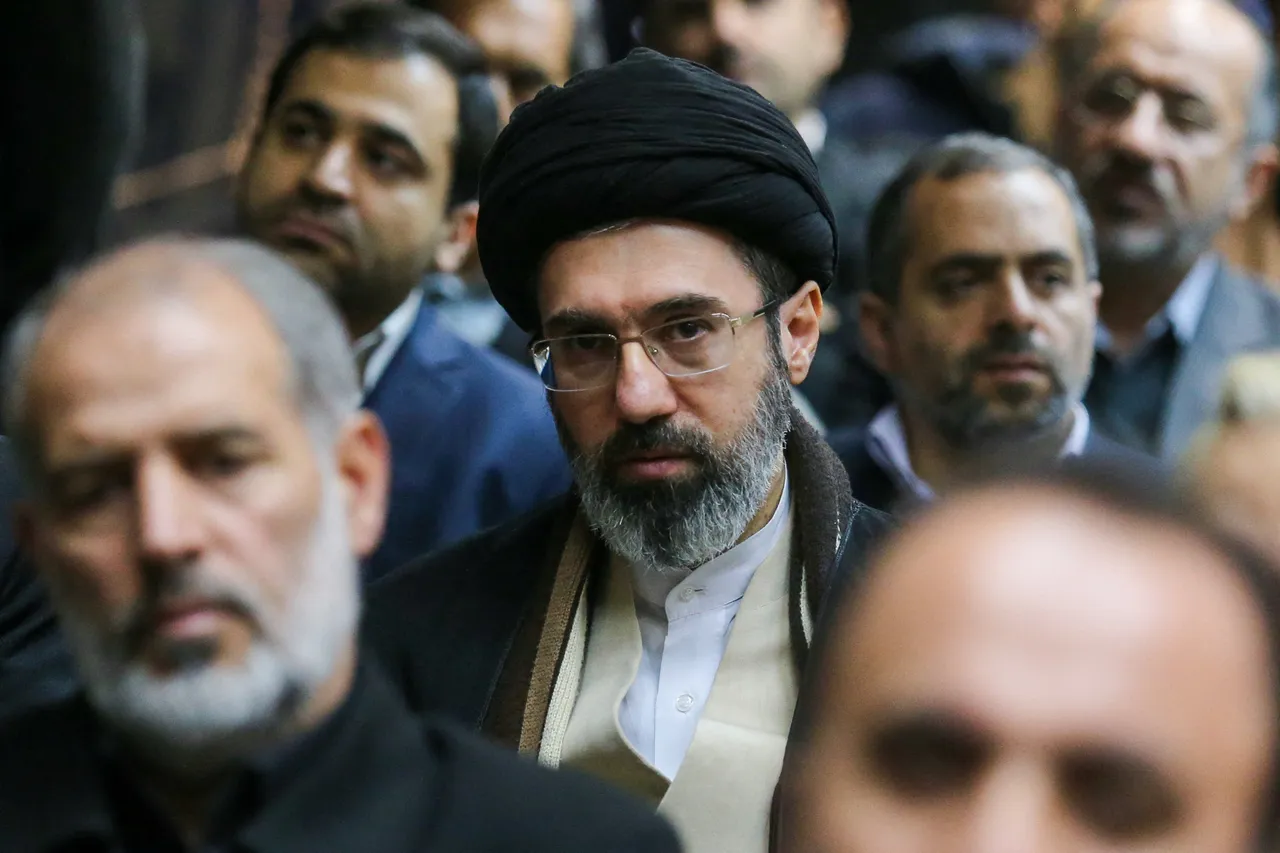
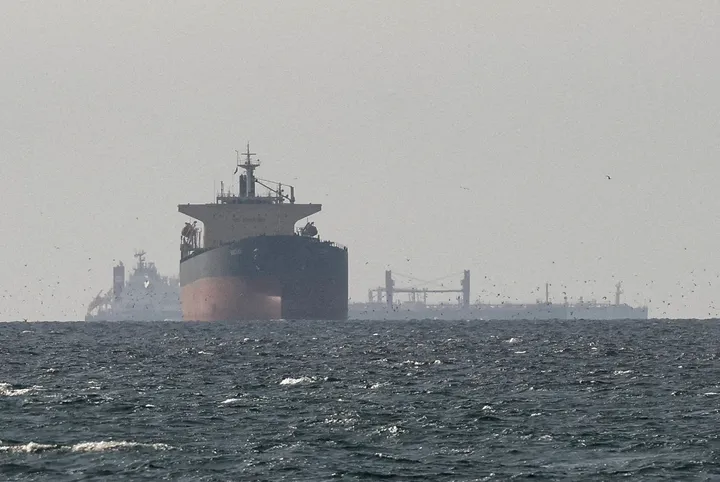
Iran’s Supreme Leader Mojtaba Khamenei has said in a message that the management of the Strait of Hormuz will “certainly enter a new phase,” while vowing that Tehran will demand compensation for all war-related damages.
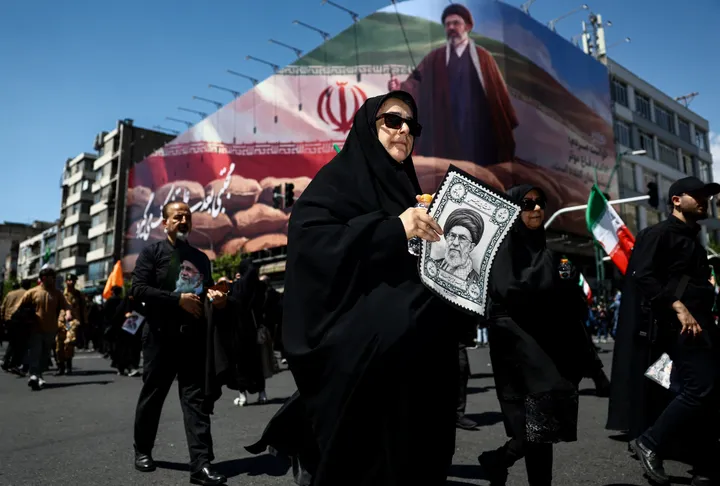
Thursday’s message, released by his office on the 40th day since the killing of his father, former supreme leader Ali Khamenei, described his death as a “heavy and historic blow” for the Iranian nation, and one of the most painful moments in its recent history.
It portrayed the current phase as a continuation of his path and legacy.
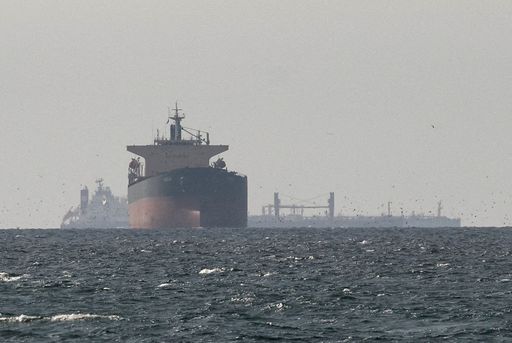
Khamenei said Iran will move towards a new strategic phase with the Strait of Hormuz.
“The management of the Strait of Hormuz will certainly enter a new phase,” he said, without elaborating.
Khamenei stressed that Iran will pursue legal and material accountability for damages.
“We will certainly not leave the criminal aggressors who attacked our country unpunished,” he said.
He added that Iran will “demand compensation for all damages, as well as the blood of the martyrs and the wounded.”
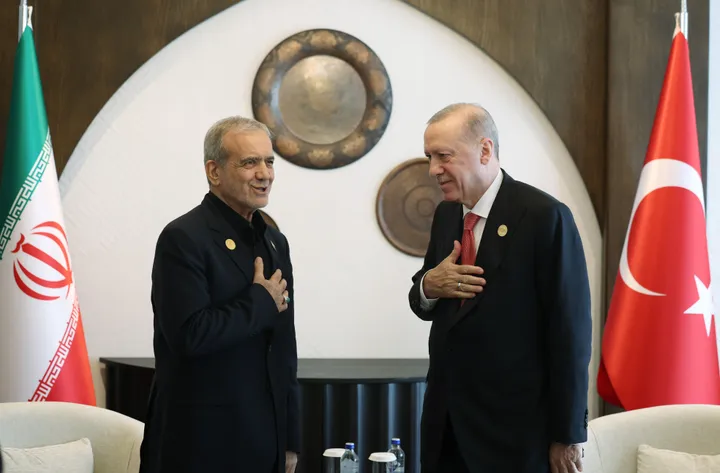
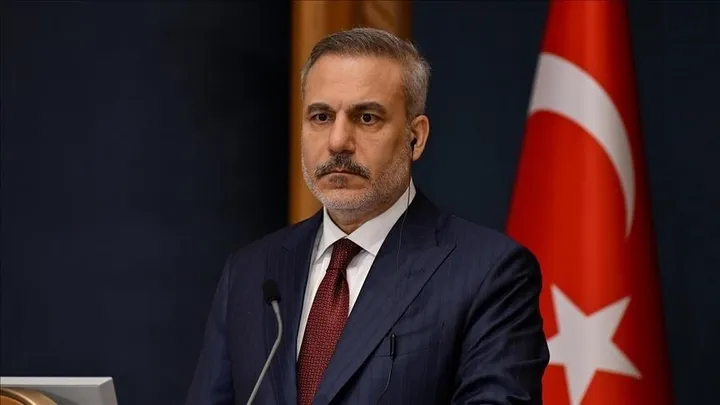
The remarks come as Iran prepares to negotiate with the United States in Pakistan, expected to begin Saturday under Pakistan’s mediation and continue for up to two weeks.
Iran has said the talks aim to finalise details of a potential agreement, emphasising that it does not signify the end of the conflict.
Khamenei also warned that Iran remains ready to respond to any renewed aggression.
“Our hands are on the trigger,” he said, adding that any mistake by adversaries would be met with a decisive response.
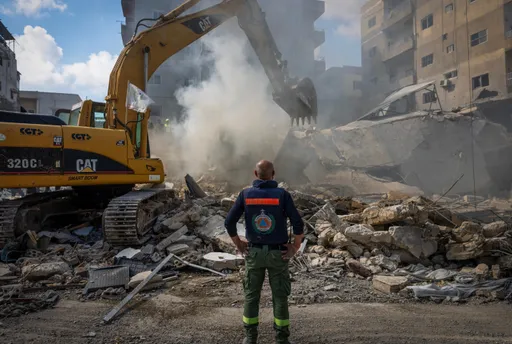
The region has been on alert since Israel and the US launched an offensive against Iran on February 28, killing at least 3,000 people, including the former supreme leader.
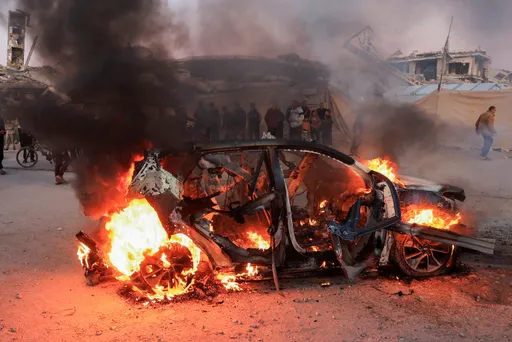
Tehran has retaliated with drone and missile strikes targeting Israel, Jordan, Iraq and Gulf countries hosting US military assets, causing casualties and damage to infrastructure, and disrupting global markets and aviation.
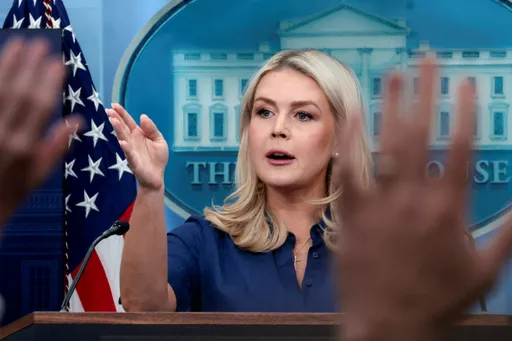
US President Donald Trump announced a two-week ceasefire on Thursday, saying Iran presented a “workable” 10-point proposal, while negotiations are expected to determine whether a longer-term agreement can be reached.