 Baba Umar
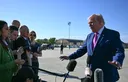
Washington DC — White House Press Secretary Karoline Leavitt has defended President Donald Trump’s threat to wipe out "whole civilisation" if Iran didn’t agree to his demands, asserting the threat forced Tehran into a truce mediated by Pakistan.
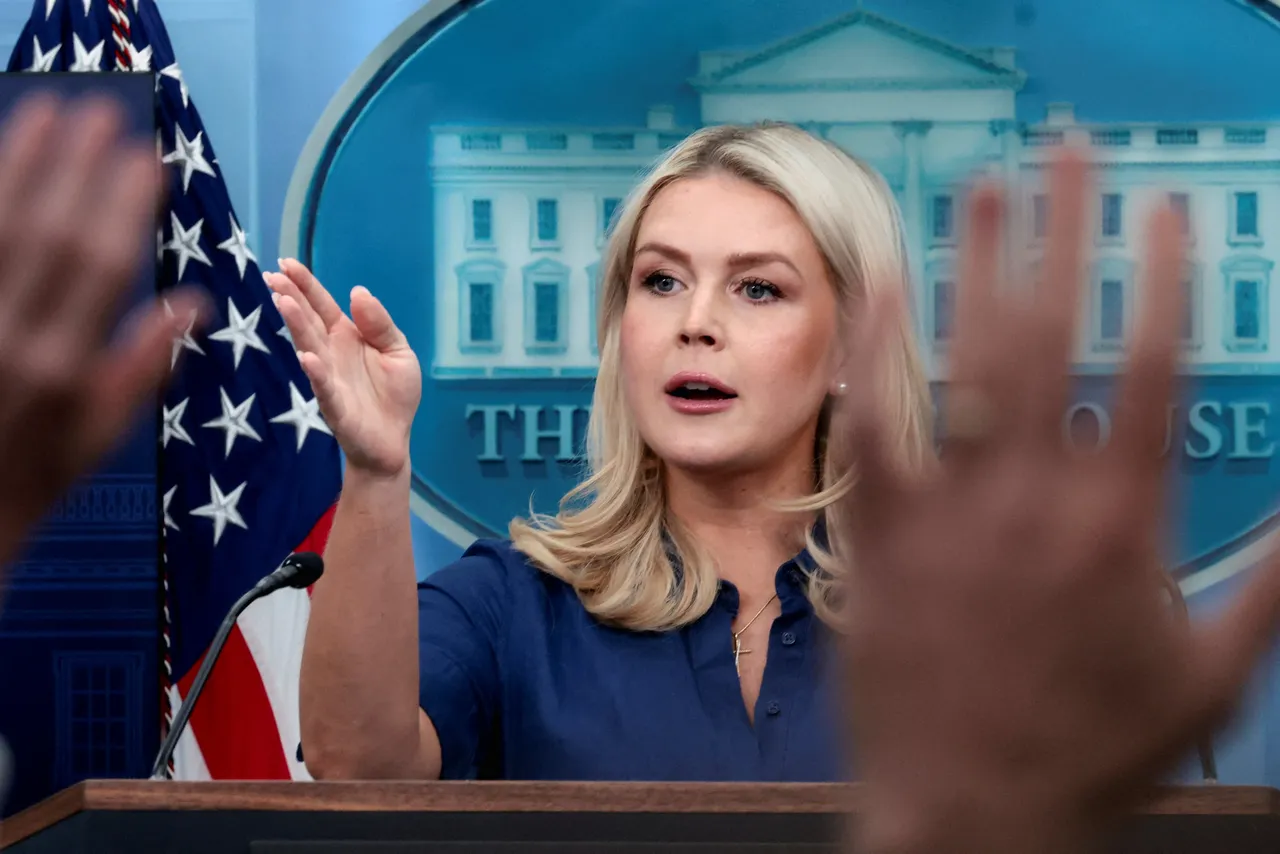
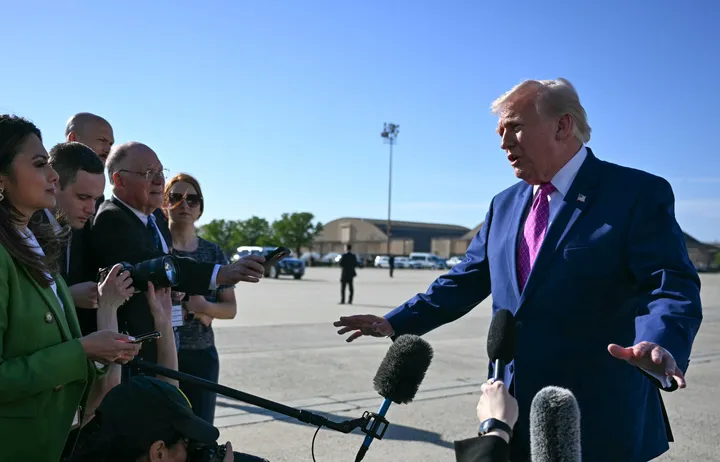
During a media briefing on Wednesday, when asked about the president's rhetoric and the "civilisation" threat, Leavitt defended it as effective tough diplomacy that produced results, without apologising for or downplaying it.
"Well, I understand the questions about the president’s rhetoric, but what the president cares most about is results," she said.
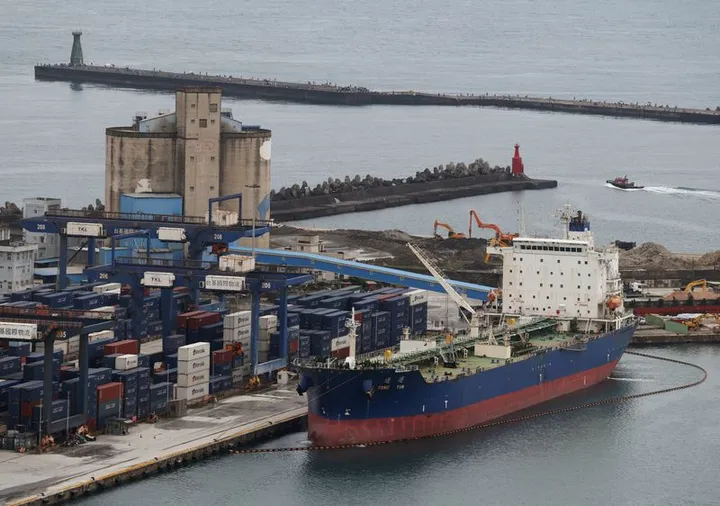
"His very tough rhetoric and his tough negotiating style is what has led to the result that you are all witnessing today — Iran ... agreed to this ceasefire ... committed to the reopening of the Strait of Hormuz."
Leavitt confirmed that Trump is sending Vice President JD Vance and other negotiators to the Pakistani capital for talks with Iran that will begin on Saturday.
Trump "is dispatching his negotiating team led by the vice president of the United States, JD Vance, special envoy (Steve) Witkoff and Mr (Jared) Kushner to Islamabad for talks this weekend," she told the news conference.
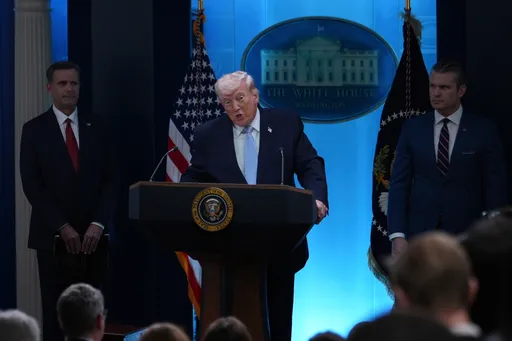
The briefing, which became combative for a while, came after President Trump on Tuesday morning threatened to wipe out Iran, saying: "A whole civilisation will die tonight, never to be brought back again. I don’t want that to happen, but it probably will."
Asked how Trump could claim US "has the moral high ground if he is threatening to annihilate civilisations, Leavitt responded: "The president absolutely has the moral high ground over the Iranian terrorist regime, and for you to even suggest otherwise is frankly insulting."
"It was the Iranians who backed down, not President Trump," she said, adding the world should take Trump’s word seriously and pushed back against any suggestion that Iran held the moral high ground, calling such insinuations "insulting."


Leavitt suggests Trump's threat was credible
Leavitt also framed the US ceasefire with Iran more broadly as "a victory for the United States" enabled by military leverage and Trump’s negotiating approach, arguing: "Never underestimate President Trump’s ability to successfully advance America’s interests and broker peace."
She stressed the military action success provided maximum leverage for a diplomatic breakthrough.
When pressed by another reporter to clarify her interpretation of Trump's threat that Iranian civilisation would be "eliminated", she said: "I think it was a very, very strong threat from the president of the United States that led the Iranian regime to cave to their knees and ask for a cease fire and agreed to reopening the Strait of Hormuz."
"It was not an empty threat by any means," she added.
"The Pentagon had a target list that they were ready to hit go on at 8 pm last night, if the Iranian regime had not agreed to open the Strait, which they did. I think that is something we should all be grateful for."
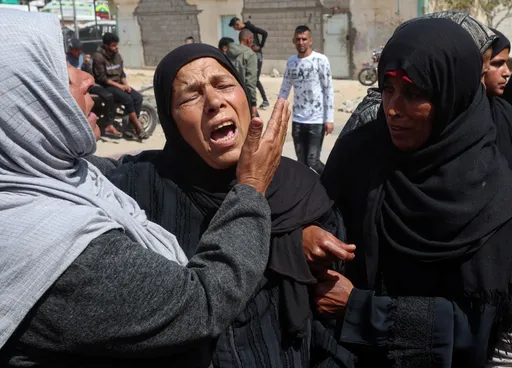
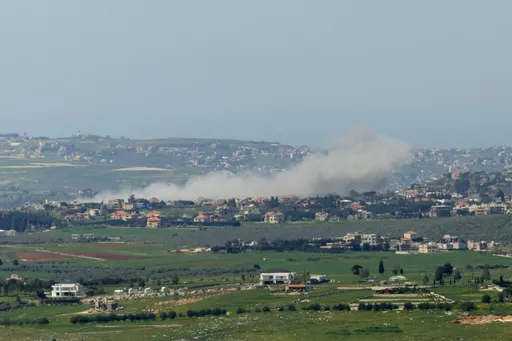
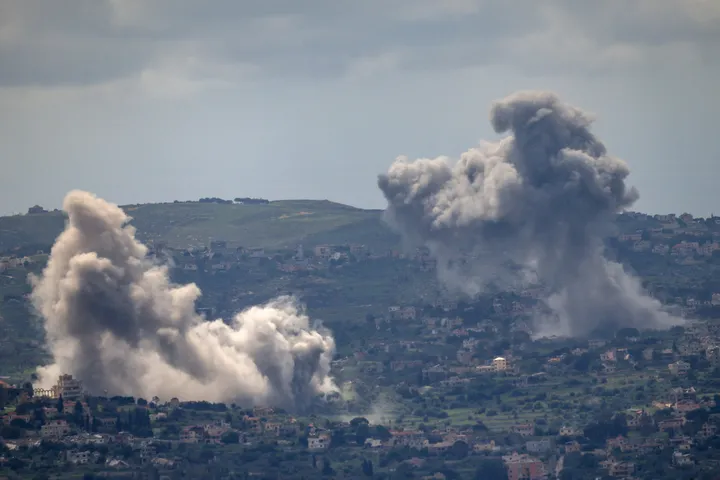
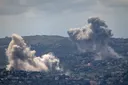
Leavitt also clarified that Lebanon, where waves of Israeli bombardment have killed over 250 people, was not included in the US-Iran truce, contradicting Pakistan's claim that it was part of the ceasefire deal.
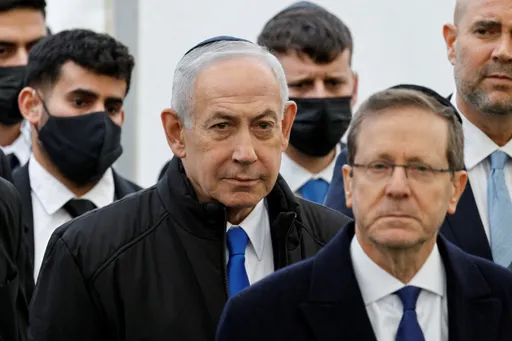
But she said that Trump will continue to discuss with Israeli Prime Minister Benjamin Netanyahu the idea of including Lebanon in US-Iran truce deal.
"This will continue to be discussed, I am sure, between the president and Prime Minister (Benjamin) Netanyahu, the United States and Israel and all of the parties involved," Leavitt told reporters.