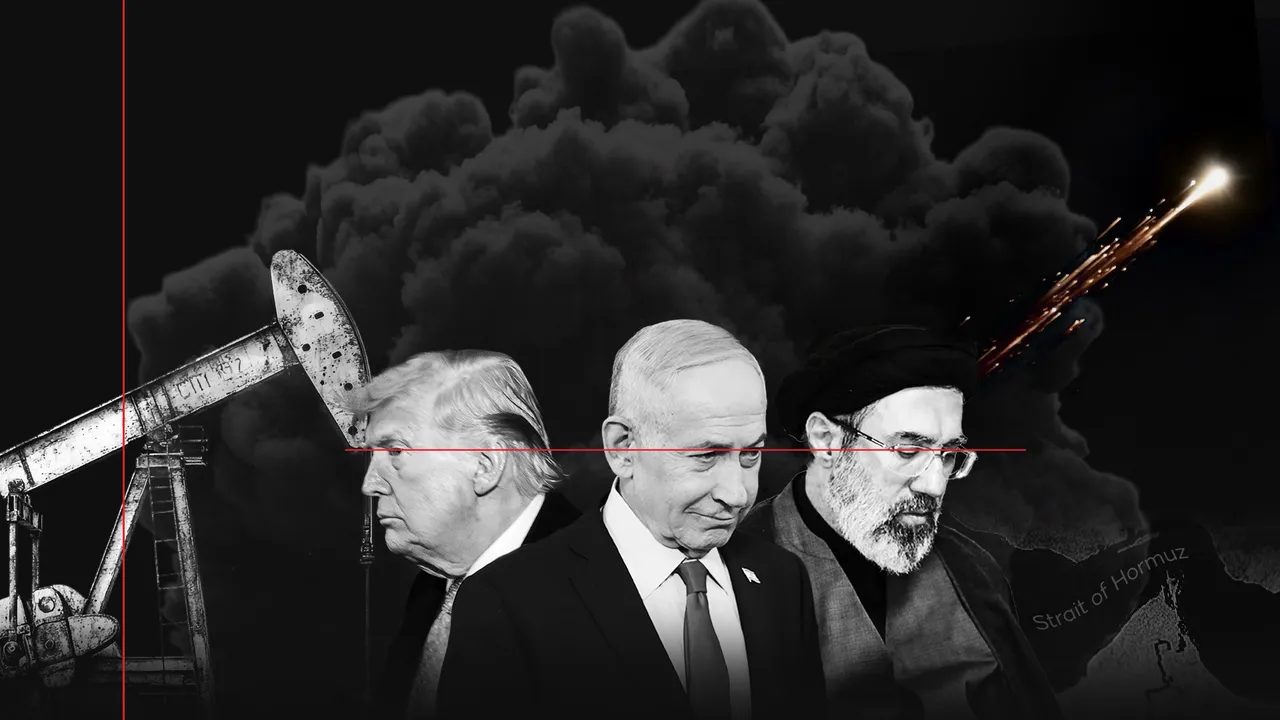
More than a month has passed since a round of joint US and Israel strikes first hit Iran, pushing the Middle East to the edge and priming the region for escalation. A temporary ceasefire between Washington and Tehran, brokered by Pakistan, took effect on April 8 and is set to last for two weeks. However, Israel has said Lebanon is not part of the agreement and has continued to carry out strikes there.
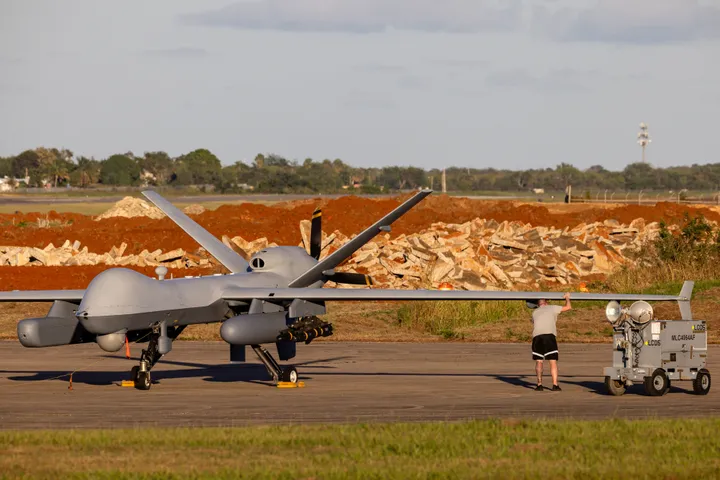
The February 28 military attacks, followed by further, ongoing waves of strikes, killed senior figures in Tehran, including then Supreme Leader Ali Khamenei. Iran responded with a barrage of missiles and drone strikes targeting Israel, US bases in the region and critical infrastructure across the Gulf nations hosting US military and financial assets.
Washington has framed the offensive as a targeted effort. Yet reports indicate that strikes have also hit civilian sites in Iran, including pharmaceutical facilities, national infrastructure and even schools and universities, widening the scope of the conflict and raising questions over its true objectives.
Widening reach of Iran war
Following the unprovoked US and Israeli strikes, Tehran responded with a wave of missile and drone attacks targeting US military hubs and critical energy infrastructure across the Gulf.
The Pentagon says at least 17 US sites across the Middle East have been hit, with military losses estimated at more than $800 million in equipment alone.
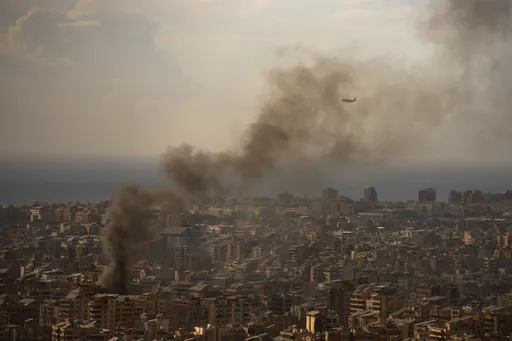
The conflict soon widened. After launching its initial round of attacks on Iran, Israel turned its focus to Lebanon.
By March 27, the Israeli army announced an expansion of its ground offensive in southern Lebanon, with local media reporting expending occupation up to eight kilometres into Lebanese territory. Reports also indicate the establishment of 18 new military sites, some deep inside the country.
Lebanese authorities say Israeli attacks killed at least 1,739 people and wounded 5,873 others between March 2 and April 9.
Global economic impact



The defining economic shock of the conflict has been Iran’s closure of the Strait of Hormuz, a critical artery through which roughly 20% of the world’s oil and liquefied natural gas (LNG) flows.
Between February 27 and March 30, oil exports from Iran, Iraq, Kuwait, Saudi Arabia, the UAE and Bahrain fell from 12.3 million barrels per day to 7.8 million, a drop of more than 36%.
Economists warn that if the blockade continues beyond April 2026, the global financial system could face a downturn on a scale comparable to the 2008 financial crisis.
Oil markets have already reacted sharply. Brent crude rose from below $70 in late February to around $120 per barrel by the end of March. Analysts estimate that every 10% rise in oil prices adds roughly 0.4% to global inflation.
The shock has also rippled through gas markets. Damage to Qatar’s export infrastructure and the disruption in Hormuz have tightened global LNG supply, sending prices in Asia up by 143% since the start of the war. This marks the second major spike in four years, following the market disruption triggered by the Russia-Ukraine war.
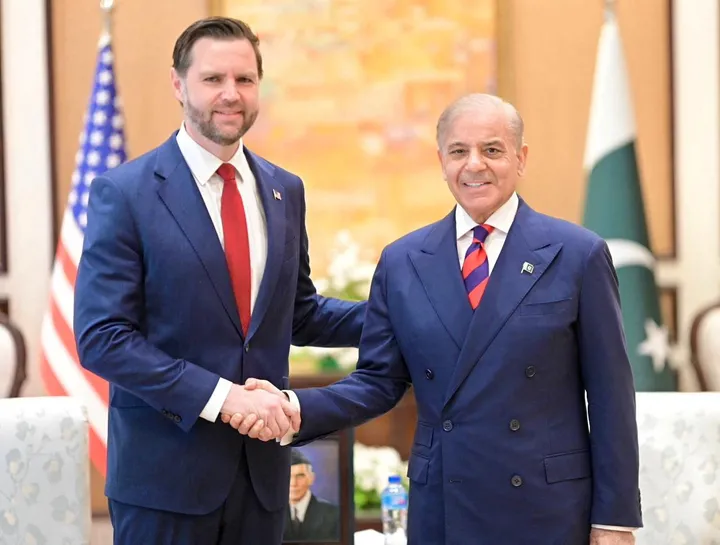
Countries heavily dependent on imports are feeling the strain. For example, Pakistan, which relies on foreign energy for about 40% of its needs and depends on Qatari LNG, is facing a worsening economic outlook and rising risks of stagflation.
The disruption is also affecting industrial supply chains. Shortages of helium, a byproduct of natural gas processing, are raising concerns for semiconductor production and medical equipment manufacturing.
Fertiliser markets are under pressure as well. The Gulf produces roughly one-third of the world’s supply and prices jumped by more than 25% in March alone.
With shipments disrupted through Hormuz, concerns are growing over global food prices. With the planting season having just begun in the Northern Hemisphere , the US-Israeli war on Iran is also putting crop yields at risk in the region and beyond. Low income countries are expected to be hit hardest, as households there spend a larger share of their income on food and are more exposed to rising costs.